UP govt responds to student protests with social media plan, 14-point checklist
Source Entity
Maulshree Seth
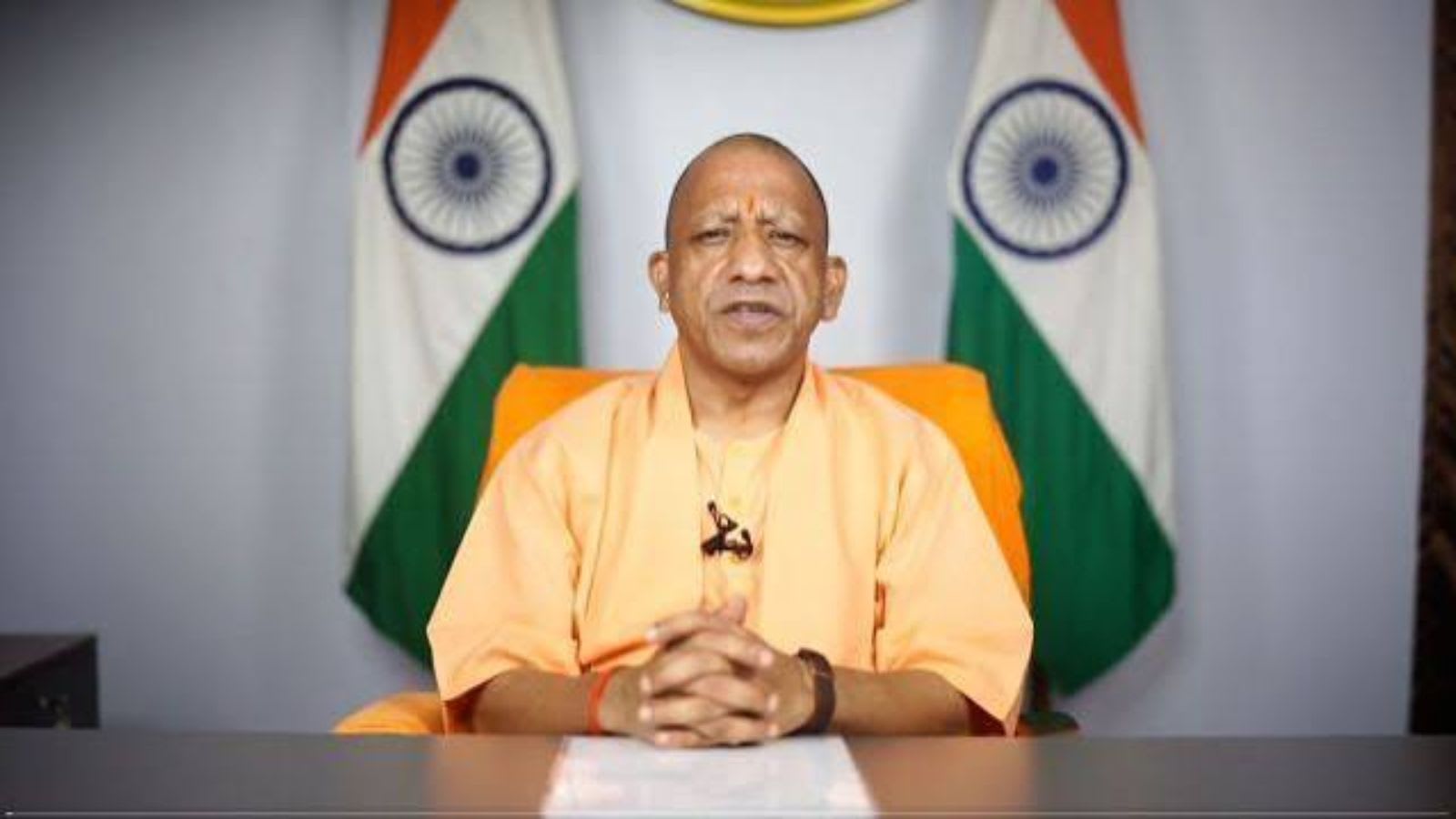
Students across Uttar Pradesh are staging protests to demand better school infrastructure and basic amenities. In response, the state government has mandated a 14-point compliance checklist for schools and implemented a social media monitoring system to address grievances.
Student Uprisings in Uttar Pradesh: A Call for Basic Amenities
Over the past month, a wave of student-led activism has swept across Uttar Pradesh, marking a significant shift in how educational grievances are addressed. From blocking major roads in Lucknow and Unnao to staging marches at the Hamirpur Collectorate and occupying hostels in Kannauj, students are increasingly bypassing traditional administrative channels to demand essential improvements. These demonstrations are not merely isolated incidents but a collective outcry for fundamental necessities, including sufficient teaching staff, nutritious food, clean drinking water, functional electrical systems, and improved campus hygiene.
The Catalyst for Systemic Review
The intensity of these protests, particularly the back-to-back actions at Sarvodaya residential schools, has forced the Uttar Pradesh government to take immediate notice. With multiple incidents occurring in quick succession, the Social Welfare department has ordered comprehensive inspections of all 103 residential schools under its jurisdiction. This state-wide intervention highlights the urgency of the situation, as the government seeks to mitigate the growing unrest and address the systemic failures that have left thousands of students without access to basic learning environments.
Government Response: Digital Monitoring and Accountability
In a strategic effort to regain control and improve responsiveness, the UP government has introduced a new social media monitoring framework. Officials are now tasked with tracking student complaints online, verifying their legitimacy, and providing timely resolutions. This transition toward digital accountability represents an attempt to bridge the gap between frustrated students and the administrative machinery, ensuring that grievances are no longer ignored until they manifest as public protests.
The 14-Point Compliance Mandate
Complementing the social media strategy, the Education Department has issued a rigorous 14-point checklist for approximately 40,000 basic and secondary schools across the state. This initiative is designed to standardize facility management, mandating that officials verify the functionality of toilets, electricity, safety protocols, and sanitation. By formalizing these requirements, the state aims to preemptively identify infrastructure gaps rather than reacting only after students take to the streets.
Broader Implications and Future Trends
This movement signifies a new era of student agency within the Indian education landscape, where Gen Alpha students are leveraging public visibility to hold institutions accountable. The move toward proactive inspections and digital grievance redressal suggests that the UP government recognizes the long-term risk of ignoring these localized crises. Moving forward, the success of these reforms will depend on the consistent implementation of the 14-point checklist and the government's ability to maintain a transparent, responsive dialogue with the student population to prevent further escalation.