Amid pushback, government ready to refer FCRA Bill to a JPC
Source Entity
Deeptiman Tiwary
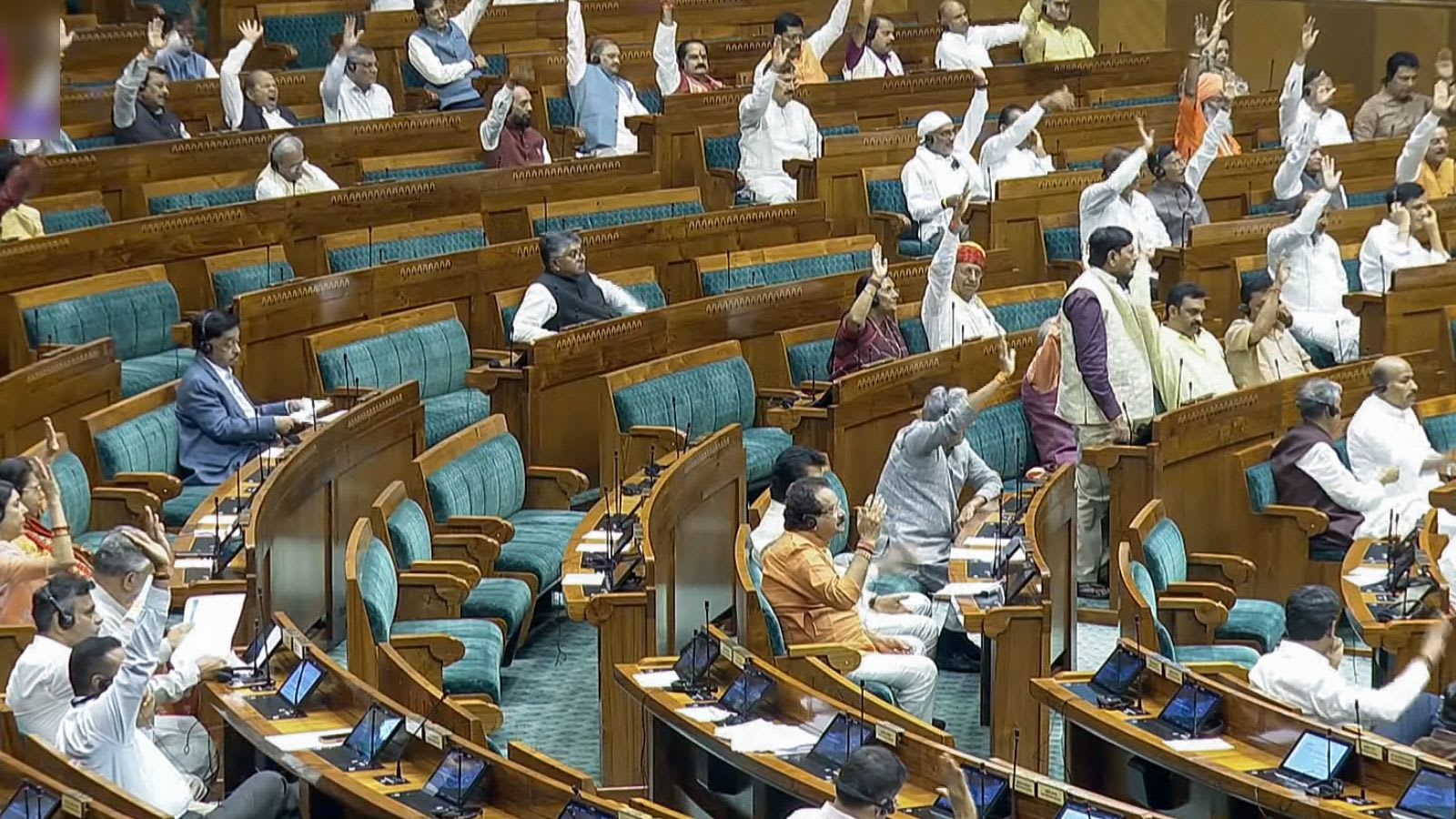
The Union government is moving to refer the contentious FCRA Amendment Bill, 2026, to a Joint Parliamentary Committee following widespread protests. The decision comes amidst concerns from religious bodies, NGOs, and state assemblies regarding asset-vesting provisions.
The FCRA Amendment Bill 2026: A Path to Legislative Review
The Union government’s decision to refer the Foreign Contribution (Regulation) Amendment Bill, 2026, to a Joint Parliamentary Committee (JPC) marks a significant pivot in its legislative strategy. Faced with mounting pressure from political opponents, civil society, and religious organizations, the administration is seeking to build consensus rather than force the bill through in its current form. The move comes as a response to intense scrutiny regarding the bill's provisions, which were introduced in the Lok Sabha earlier this March.
The Roots of the Backlash
The core of the controversy lies in the proposed asset-vesting rules. Stakeholders, particularly Church representatives and various non-governmental organizations (NGOs), have expressed deep concerns that the bill's mechanisms for managing and potentially transferring the assets of charitable organizations to the government—triggered by the expiry or non-renewal of FCRA registration—could be used to penalize past investments. These fears have transformed into a nationwide movement, culminating in a mass rally in Mizoram and a formal, unanimous resolution passed by the Tamil Nadu Assembly urging the withdrawal of the Bill.
Political and Regional Tensions
The pushback is not limited to civil society; it has become a central point of contention in Parliament. Opposition parties, including the Congress, TMC, Left parties, and the DMK, have been vocal in their demands for a complete withdrawal of the legislation. The Tamil Nadu Assembly, through Minister Rajamohan, has explicitly highlighted the dangers of these provisions, arguing that they infringe upon the operational autonomy of charitable entities. This regional resistance underscores the federal complexity of the issue, where state governments view the central regulation as an overreach into the functioning of localized social and charitable sectors.
Government Strategy and Assurances
In an effort to de-escalate, Union Home Minister Amit Shah has engaged in direct dialogue with stakeholders, including Mizoram Chief Minister Lalduhoma. During these discussions, the Home Minister provided assurances that the FCRA laws would not be implemented retrospectively, a move designed to alleviate fears regarding the confiscation of assets built through historical contributions. Despite these assurances, the government maintains that the bill is not targeted at any specific community, framing the JPC referral as a standard parliamentary procedure to ensure thorough deliberation rather than a concession to opposition demands.
Future Implications and Legislative Trends
Referring the bill to a JPC serves as a cooling-off period that allows for a more nuanced examination of the contentious clauses. By involving a cross-section of lawmakers, the JPC process is expected to provide a platform for stakeholders to voice their concerns formally. This development suggests that while the government remains committed to its regulatory agenda, it is sensitive to the political costs of perceived overreach. The outcome of the JPC deliberations will likely set a precedent for how the government balances national security and transparency requirements with the operational needs of the non-profit and religious sectors in India.