Ceuta Migrant Crisis: 10 questions on why 57 died and over 50,000 crossed from Morocco
Source Entity
The Indian Express
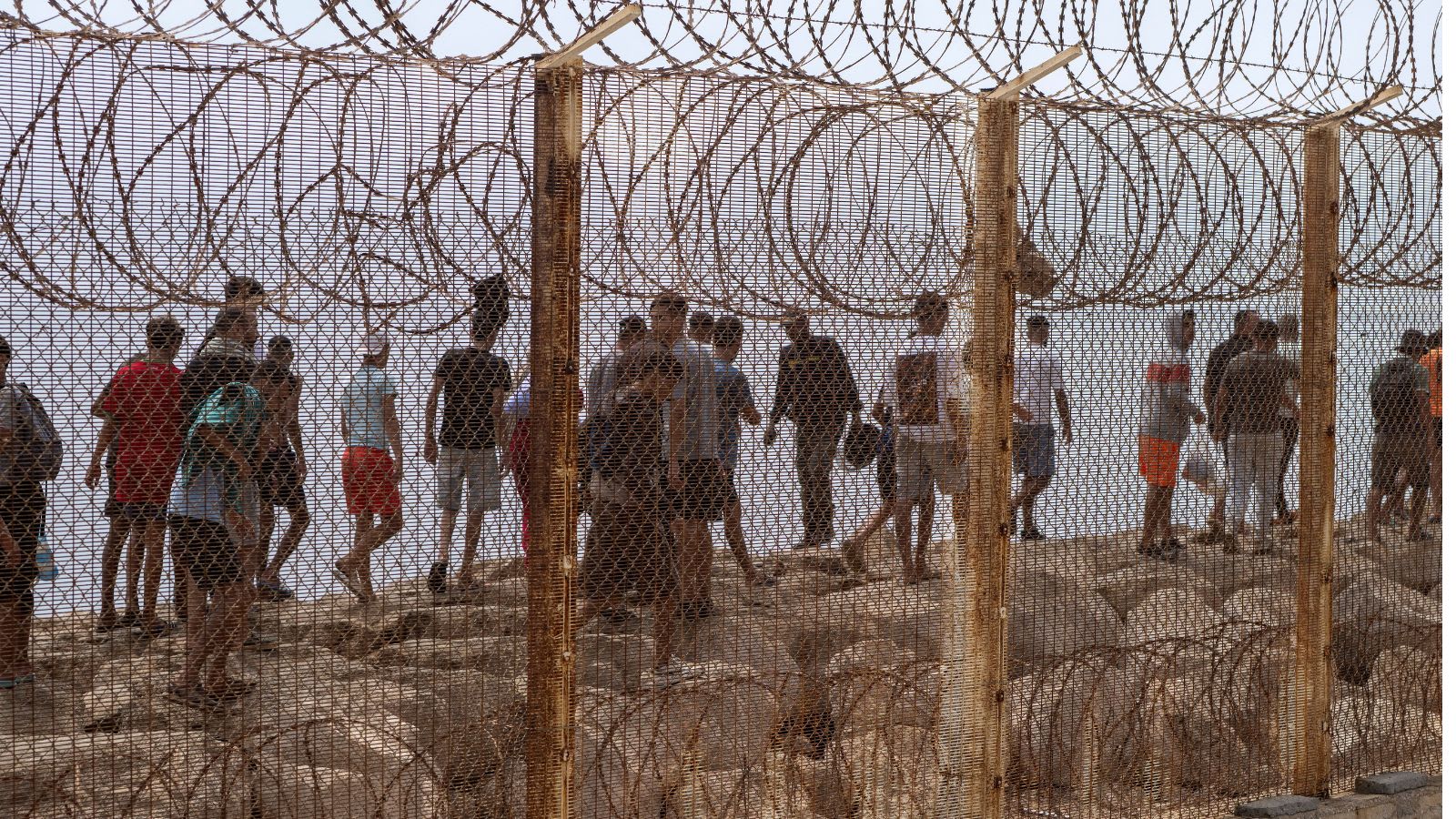
A massive surge of up to 60,000 migrants recently crossed from Morocco into the Spanish enclave of Ceuta, resulting in dozens of deaths and a significant political crisis. While thousands have since returned voluntarily, the event highlights the ongoing fragility of Europe's only land borders with Africa.
The Ceuta Border Crisis: An Unprecedented Humanitarian Surge
The Spanish territory of Ceuta, a small enclave on Morocco's northern coast, recently experienced an unprecedented humanitarian crisis as between 50,000 and 60,000 migrants crossed the border from Morocco within a single day. This massive influx, which saw individuals arriving by swimming, using inflatable craft, or storming border fences, overwhelmed a territory home to only 85,000 residents. The scale of the movement resulted in tragic loss of life, with reports indicating at least 57 fatalities during the perilous crossing.
Government Response and Political Fallout
The sheer volume of arrivals placed an immediate, unsustainable strain on local resources, prompting Ceuta's leader, Juan Jesús Vivas, to demand urgent intervention from the Spanish central government. Prime Minister Pedro Sánchez characterized the mass crossing as an "attack" on Spain's borders and signaled a firm stance, declaring that all illegal migrants would be returned to Morocco as quickly as possible. This rhetoric underscores the high-stakes political pressure faced by Madrid as it attempts to manage both border security and humanitarian obligations.
Patterns of Return and Migration Dynamics
Despite the chaotic nature of the initial surge, data suggests a fluid, albeit volatile, situation. Official reports confirm that a significant majority of those who crossed—more than 48,000 to 50,000 individuals—have since returned to Morocco voluntarily. This movement pattern highlights the complex reality of migration in this region, where the proximity of the two nations often leads to periodic, high-intensity spikes in transit that do not always result in permanent settlement.
Historical Context of the Enclaves
Ceuta and its sister city, Melilla, hold a unique status as the only land borders between the European Union and the African continent. Throughout their history, these enclaves have functioned as focal points for migrants seeking a gateway into Europe. Because of their geographical position, they are inherently susceptible to sudden surges, and this recent event is widely viewed by experts as part of a recurring pattern rather than an isolated incident.
Broader Implications and Future Trends
The crisis has exposed deep divisions within the European Union regarding border management and migration policy. As the bloc’s only land connection to Africa, the enclaves represent a permanent pressure point for European border agencies. Given the history of these territories and the economic disparities driving migration, it is highly probable that similar crises will occur in the future. The international community remains focused on how Spain and the EU will balance immediate security measures with the long-term need for sustainable migration frameworks.