With Four-Year Undergraduate Programme, students have more options and opportunities
Source Entity
Mamidala Jagadesh Kumar
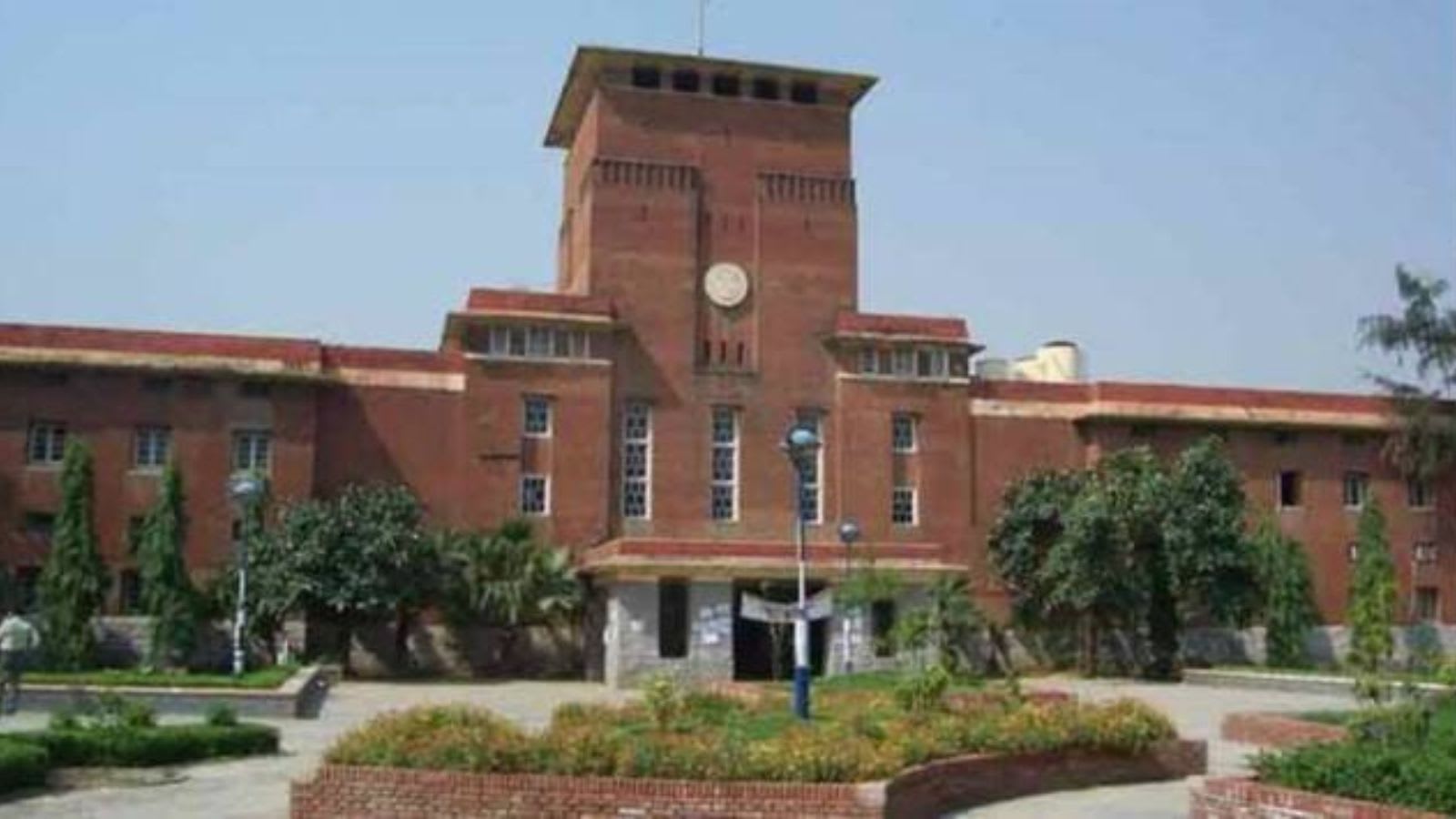
The Four-Year Undergraduate Programme (FYUP) faces significant implementation challenges, including student confusion over degree pathways and academic credit structures. Recent issues regarding PG admission eligibility have led to legal disputes and growing frustration among the student body.
The Structural Evolution of Higher Education
The implementation of the Four-Year Undergraduate Programme (FYUP) represents a significant shift in the academic landscape, designed to offer students enhanced flexibility and diverse career pathways. By providing options to exit after three years or continue into a fourth year of intensive study, the framework aims to align with global standards. However, the transition from a traditional three-year structure to this new model has introduced complex decision-making challenges, as students must weigh the immediate benefits of a degree against the long-term potential of advanced research or professional specialization.
The Academic Credit Conundrum
A primary point of contention within the FYUP framework is the balance between multidisciplinary exposure and core subject mastery. Under the UGC undergraduate curriculum framework, students are required to complete 80 credits in their chosen discipline to earn a major. Critics argue that the emphasis on multidisciplinary course requirements may inadvertently dilute the depth of knowledge in a student's primary field compared to the traditional three-year structure. This pedagogical tension remains a central debate, as educators seek to define how broad-based learning can coexist with rigorous subject-specific training.
Policy Implementation and the 'Fourth-Year Trap'
Beyond academic theory, the practical implementation of FYUP has been marred by administrative confusion, most notably at the University of Delhi. The promise of a seamless transition to one-year postgraduate (PG) programmes has been described by some as a 'hard sell' that lacks sufficient structural inventory. Students who completed the fourth year with the expectation of immediate PG enrollment have faced rejection due to shifting priority parameters, leading to a surge in litigation. This disconnect between policy promises and institutional capacity has created a sense of betrayal among the student population.
The Economic and Professional Implications
The broader implications of these implementation failures are profound. When academic institutions market 'incentives'—such as accelerated PG pathways—without ensuring the necessary administrative infrastructure, they risk damaging the credibility of the entire degree program. For the student, the fourth year is not merely an academic commitment; it is an investment of time and financial resources. When that investment is undermined by bureaucratic hurdles or exclusionary admission criteria, the value proposition of the FYUP is significantly diminished.
Future Trends and Necessary Reforms
To ensure the success of the FYUP, universities must move beyond the current cycle of policy confusion and legal intervention. The future of this program depends on clear, transparent communication regarding the eligibility criteria for postgraduate studies and the standardization of credit requirements. If institutions can reconcile the need for multidisciplinary breadth with the necessity of academic rigor, the FYUP could indeed become a cornerstone of modern education. However, until the 'fourth-year trap' is resolved, the program will continue to face skepticism from those it is intended to serve.