Centre supplied 99 ventilators to Chandigarh hospital, 64 no longer working
Source Entity
Hina Rohtaki
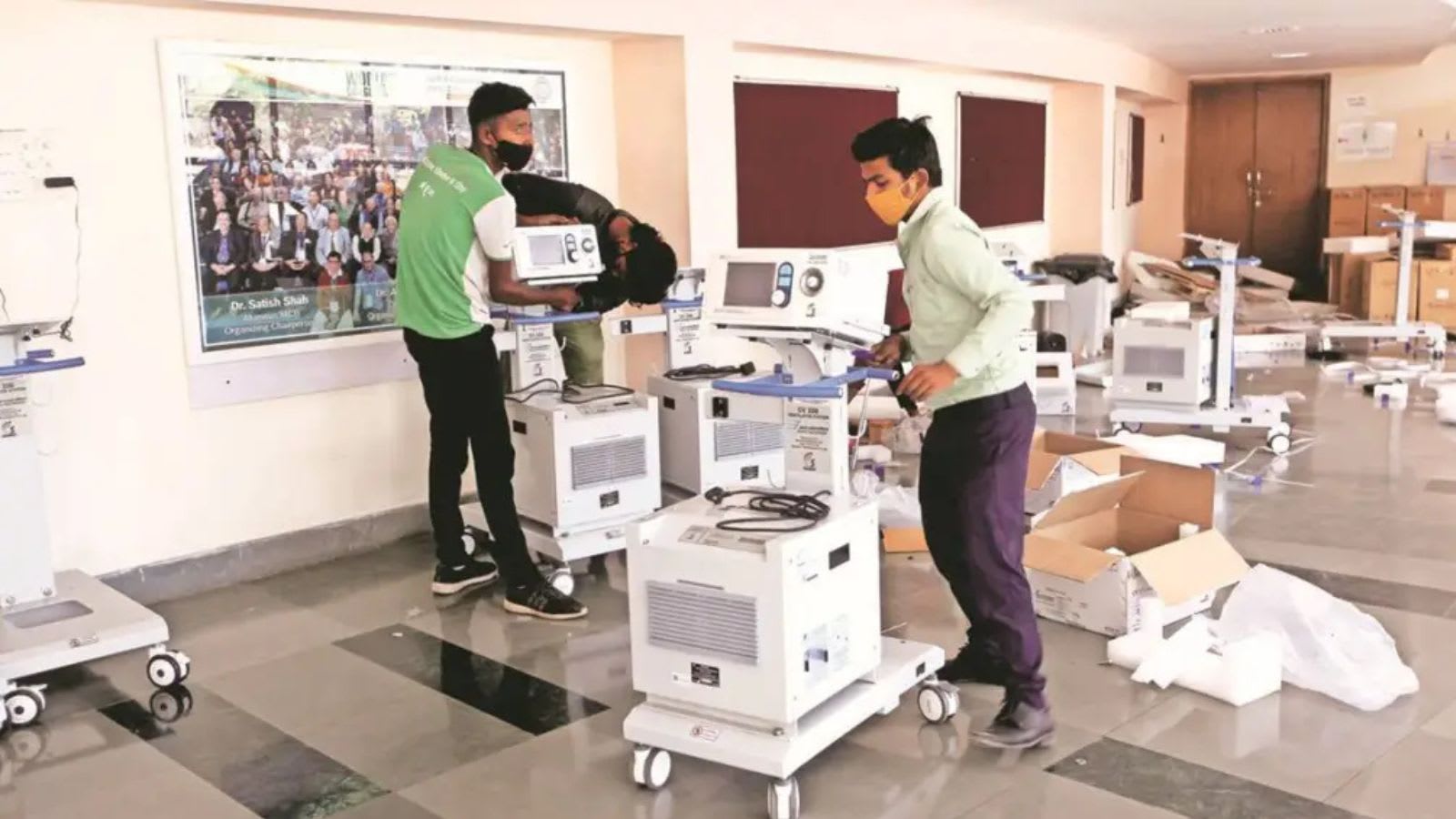
A significant majority of ventilators supplied by the Centre to GMCH-32, Chandigarh, during the pandemic are now non-functional. This maintenance failure has sparked political scrutiny regarding critical-care infrastructure sustainability.
The Crisis of Critical Care Infrastructure in Chandigarh
The recent disclosure that 64 out of 99 ventilators supplied by the Union government to the Government Medical College and Hospital (GMCH), Sector 32, in Chandigarh are now non-functional marks a critical failure in post-pandemic healthcare management. During the height of the COVID-19 crisis, the rapid deployment of medical equipment was essential for survival, yet the inability to maintain these life-saving machines suggests a breakdown in the transition from emergency procurement to long-term operational sustainability.
The Scope of the Maintenance Failure
With only 35 of the 99 ventilators currently operational, the hospital is facing a significant deficit in its critical-care capacity. This is not merely a statistical anomaly but a structural issue that directly impacts the hospital's ability to handle respiratory emergencies. The fact that nearly two-thirds of the equipment provided by the Centre has become defunct raises urgent questions regarding the lifecycle management of medical hardware, including routine servicing, spare parts availability, and technical training for hospital staff.
Political Accountability and Oversight
Chandigarh MP Manish Tewari has brought this issue to the forefront of national discourse by raising the matter in the Lok Sabha. His characterization of the situation as "criminal apathy" highlights the growing political friction over the stewardship of public health assets. By seeking formal clarification from the Union Health Ministry, the parliamentary inquiry serves as a mechanism for public accountability, forcing stakeholders to justify the lack of upkeep for equipment that was funded by taxpayer resources.
Challenges in Post-Pandemic Healthcare
The situation at GMCH-32 is a microcosm of a broader national challenge: the "post-emergency" equipment trap. Many hospitals across India received massive influxes of medical technology during the pandemic without long-term maintenance contracts or the specialized technical personnel required to keep sophisticated devices like ventilators running. This suggests that the initial strategy of surge capacity was not adequately paired with a robust plan for asset maintenance and technical support.
Broader Implications for Public Health Policy
Moving forward, the incident necessitates a policy shift from merely procuring medical equipment to ensuring the long-term viability of the healthcare ecosystem. Without a standardized protocol for maintenance audits, expensive medical hardware is destined to become obsolete prematurely. This event underscores the need for centralized monitoring systems that track equipment functionality in real-time, preventing the silent decay of life-saving infrastructure.
Conclusion: A Call for Urgent Remediation
The loss of 64 ventilators at a premier institute like GMCH-32 is a clear indicator that critical-care preparedness is being undermined by administrative inertia. To prevent further degradation of healthcare services, the relevant authorities must immediately investigate the cause of these maintenance lapses and implement a restorative plan. Ensuring that these machines are repaired and returned to service is not only a matter of fiscal responsibility but a fundamental necessity for protecting public health in Chandigarh.