Six government health facilities in rural Karnataka equipped with solar power systems to ensure uninterrupted service
Source Entity
India Latest News: Top National Headlines Today & Breaking News | The Hindu
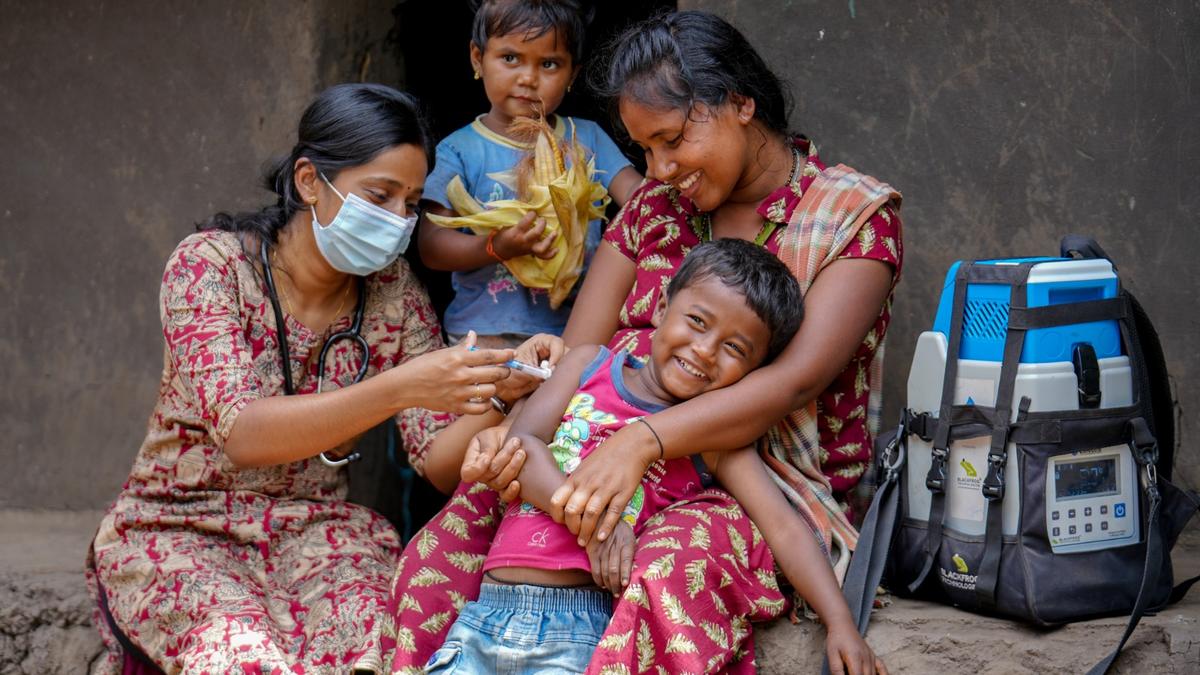
Six rural Karnataka health facilities now have solar power and energy-efficient medical devices, ensuring reliable care for over 200,000 residents. This initiative, led by the SELCO Foundation and the Zayed Sustainability Prize, overcomes chronic power instability to provide essential neonatal and diagnostic services.
Powering Healthcare: A Solar-Driven Transformation in Rural Karnataka
In a significant move to bridge the rural healthcare divide, six government health facilities in Karnataka have been successfully equipped with solar power systems. This initiative addresses a critical infrastructure gap in remote regions where electricity supply has historically been unreliable, often hindering life-saving medical procedures. By transitioning to sustainable energy, these facilities have secured a consistent power supply, directly impacting the quality and continuity of care for over two lakh people residing in these underserved areas.
Integrating Advanced Medical Technology
Beyond the installation of photovoltaic systems, the project has integrated a suite of energy-efficient medical devices specifically chosen to improve maternal and neonatal health outcomes. The facilities are now equipped with portable baby warmers, phototherapy units for newborns, foetal monitors, and assisted ventilation systems. Furthermore, the inclusion of temperature-controlled vaccine carriers ensures that immunization programs remain effective—a vital requirement for public health resilience in remote geography.
The Role of Sustainable Partnerships
This project is a testament to the power of cross-sector collaboration, spearheaded by the Bengaluru-based SELCO Foundation. The implementation was made possible through the Beyond2020 initiative, a global program launched by the UAE’s Zayed Sustainability Prize. By aligning local expertise with global sustainability goals, this project demonstrates how targeted philanthropic and technological interventions can address the systemic challenges of energy poverty in clinical settings.
Addressing Infrastructure Vulnerability
Historically, the inconsistent power supply in rural Karnataka has served as a primary bottleneck for diagnostic services and the cold-chain storage of critical medicines. Frequent power outages not only disrupted medical equipment functionality but also jeopardized the integrity of temperature-sensitive vaccines. The deployment of solar photovoltaic systems effectively mitigates these risks, transforming these health centers from vulnerable outposts into reliable hubs for essential primary care.
Future Implications and Scalability
This model offers a replicable blueprint for other developing regions facing similar energy challenges. By prioritizing energy-efficient medical technology alongside renewable energy generation, the initiative reduces the operational carbon footprint of rural healthcare while simultaneously extending the reach of advanced medical services. Future expansion of this model could play a decisive role in achieving universal health coverage in India’s most isolated corners, ensuring that geography no longer dictates the quality of medical access.
Conclusion
The solar-powered modernization of these six health facilities represents a strategic shift toward resilient, decentralized healthcare. By stabilizing the energy grid at the point of care, the SELCO Foundation and the Zayed Sustainability Prize have created a sustainable foundation for improved public health outcomes, setting a precedent for future infrastructure development in rural India.
Verification Required?