At 20°C, Chandigarh’s night temperature drops to lowest in 8 years
Source Entity
Latest News: Todays Latest News Headlines from India & World | Hindustan Times | Hindustan Times
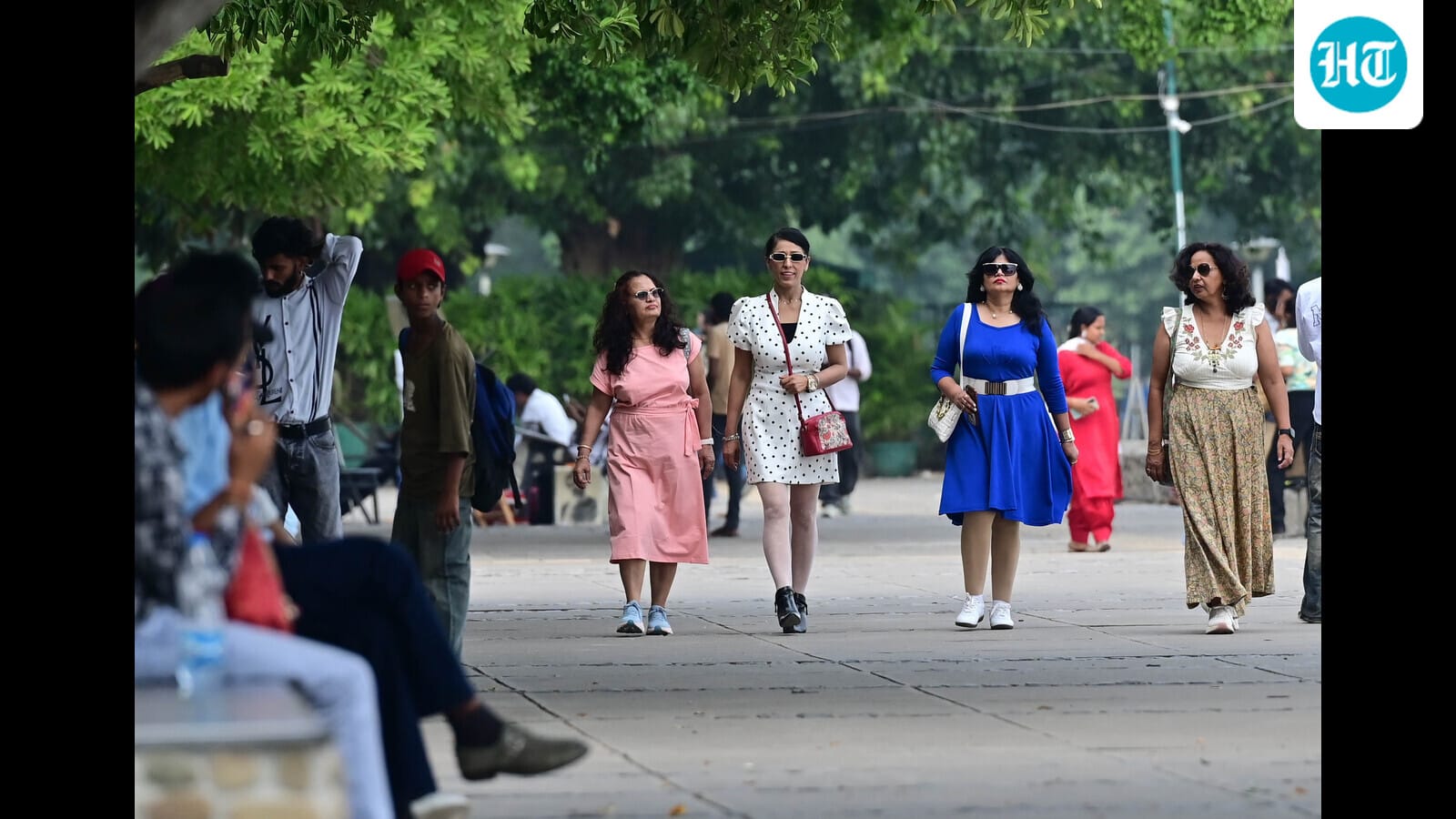
Chandigarh recorded its lowest minimum temperature in eight years, dropping to 20°C on Friday. This rare dip was attributed to a western disturbance and rainfall in neighboring Himachal Pradesh.
Chandigarh Records Rare September Chill
Chandigarh experienced a notable shift in weather patterns this week, with the city recording a minimum temperature of 20°C on Friday. This marks a significant drop from the previous day's 21.8°C, positioning the current weather as the coldest night in the city for the month of September in eight years.
Historical Context of the Temperature Dip
To understand the rarity of this event, one must look at the historical data provided by the India Meteorological Department (IMD). The city had not seen a minimum of 20°C since September 24, 2018. To find an even lower temperature for this time of year, one must look back to September 30, 2015, when the mercury dipped to 19.8°C. This current reading of 20°C is approximately four degrees below the normal range expected for this period, highlighting a distinct climatic anomaly.
The Role of Atmospheric Dynamics
According to IMD Chandigarh director Surender Paul, the primary catalyst for this sudden cooling was the combined effect of a western disturbance and recorded rainfall in parts of the neighboring state of Himachal Pradesh. Western disturbances are extratropical storms originating in the Mediterranean region that bring sudden changes in weather, including precipitation and temperature drops, to the northwestern parts of the Indian subcontinent.
Geographical Influences
Chandigarh’s proximity to the foothills of the Himalayas makes it highly susceptible to the influence of weather systems moving through Himachal Pradesh. When rainfall occurs in the higher altitudes, the associated cool winds often migrate toward the plains, leading to a localized drop in night temperatures. In this instance, the atmospheric conditions aligned perfectly to pull the city's temperature well below the seasonal average.
Future Outlook and Trends
Despite the current chill, meteorologists indicate that this is likely a temporary phenomenon. The IMD expects the influence of the western disturbance to wane as rain becomes unlikely in the coming days. The forecast suggests that clear skies will return, which is expected to facilitate a gradual rise in temperatures as the ground retains heat more effectively without cloud cover.
Conclusion
While the 20°C reading serves as a statistical outlier for late September, it underscores the sensitivity of Chandigarh's climate to regional weather systems. As the city transitions through the post-monsoon period, residents can expect the return of warmer nights as the temporary cooling effect of the recent western disturbance dissipates, signaling a move back toward standard seasonal norms.
Verification Required?