25 deaths in 5 weeks, experts clueless on how Chandipura virus spread in Gujarat
Source Entity
Brendan Dabhi
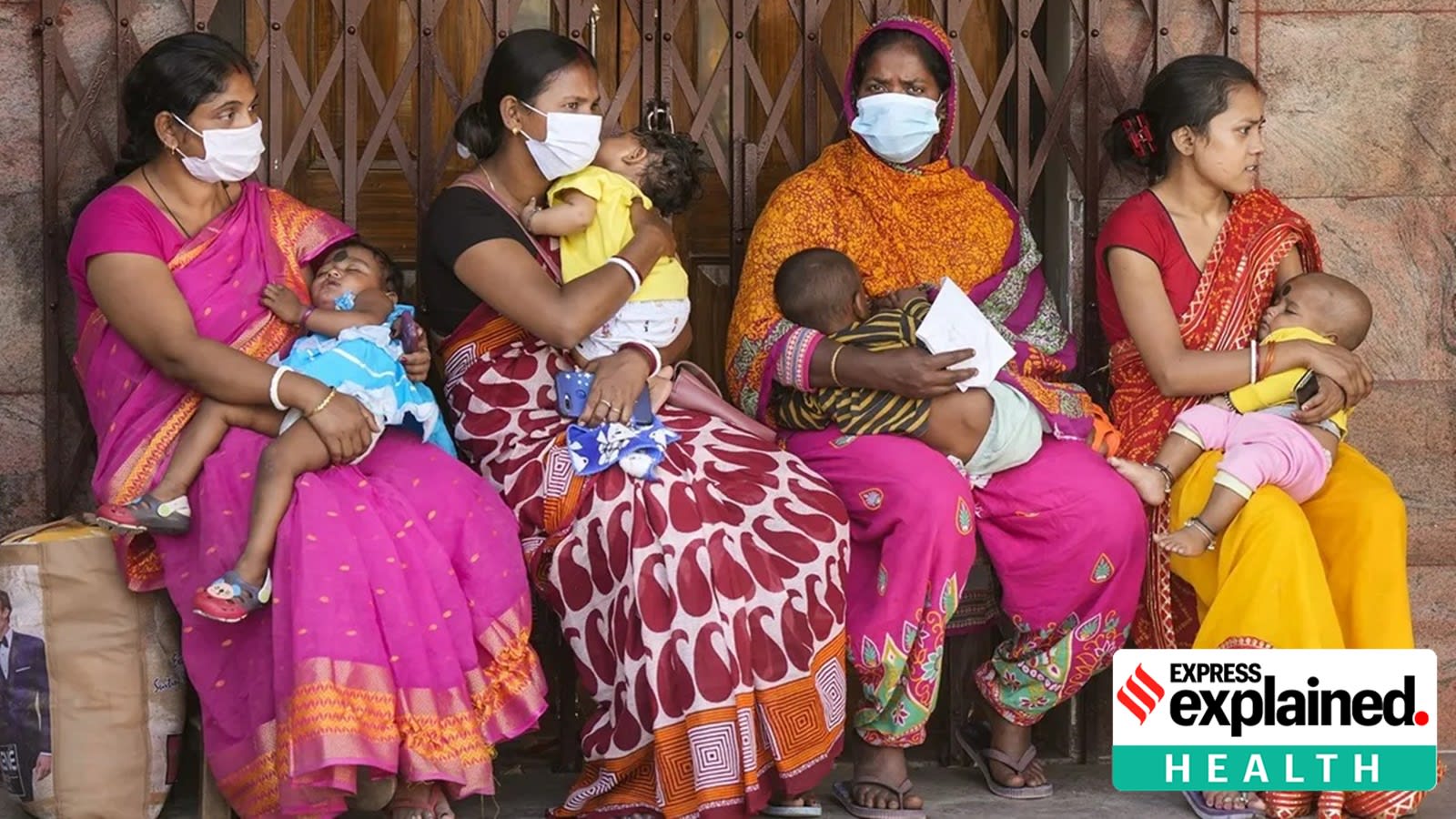
Gujarat is facing a mysterious outbreak of the Chandipura virus, which has claimed 25 children's lives in five weeks. Despite extensive testing of suspected vectors like sandflies, mosquitoes, and ticks, researchers remain unable to identify the source of transmission.
The Chandipura Virus Crisis in Gujarat: A Scientific Enigma
The recent surge of the Chandipura virus in Gujarat has sent shockwaves through the public health community, resulting in 25 tragic deaths among children in just five weeks. This outbreak, characterized by its rapid progression and high mortality rate, has placed immense pressure on local health authorities to contain a pathogen that remains largely elusive. The situation is compounded by the fact that the virus continues to circulate despite rigorous efforts to identify its primary biological reservoir.
The Failure of Traditional Vector Identification
Historically, the Chandipura virus (CHPV) has been associated with sandflies, which typically breed in the crevices of mud houses and around livestock. However, the current screening exercise—which involved testing thousands of sandflies, mosquitoes, and ticks—has yielded entirely negative results. This scientific roadblock is unprecedented, as it challenges the established understanding of how the virus moves from the environment to human hosts, leaving researchers and health specialists in a state of uncertainty.
Patterns of Persistent Outbreaks
This mystery is not isolated to the current window of infection. Data from the 2024 outbreak, which saw 28 deaths out of 78 suspected cases, confirms a recurring pattern: even when the virus is clearly active in the human population, environmental samples consistently fail to isolate the vector. The inability to pinpoint the source during repeated outbreaks suggests either a highly efficient, localized transmission cycle that defies standard sampling methods, or the existence of an overlooked reservoir that has yet to be identified in the ecosystem.
Broader Implications for Public Health
The lack of clarity regarding the virus's breeding grounds poses a significant challenge for long-term prevention strategies. Public health interventions usually rely on vector control, such as insecticide spraying and habitat modification, to curb viral spread. Without knowing which species is carrying the pathogen, these measures become less effective, forcing health departments to rely heavily on reactive rather than proactive care. The current scenario highlights a critical gap in our epidemiological knowledge of zoonotic diseases in rural Indian settings.
Future Trends and Research Needs
As the Gujarat government continues its efforts to manage the crisis, the focus must shift toward more advanced surveillance technologies and genomic sequencing to track the virus's movement. Future research needs to explore alternative transmission pathways, including potential animal reservoirs or environmental factors that may be facilitating the virus's survival. Until the vector is identified, the risk to vulnerable pediatric populations in affected regions remains unacceptably high, necessitating a sustained and multidisciplinary scientific response to prevent further loss of life.