ChatGPT dominates early AI spending in Congress as lawmakers weigh regulation
Source Entity
US Top News and Analysis
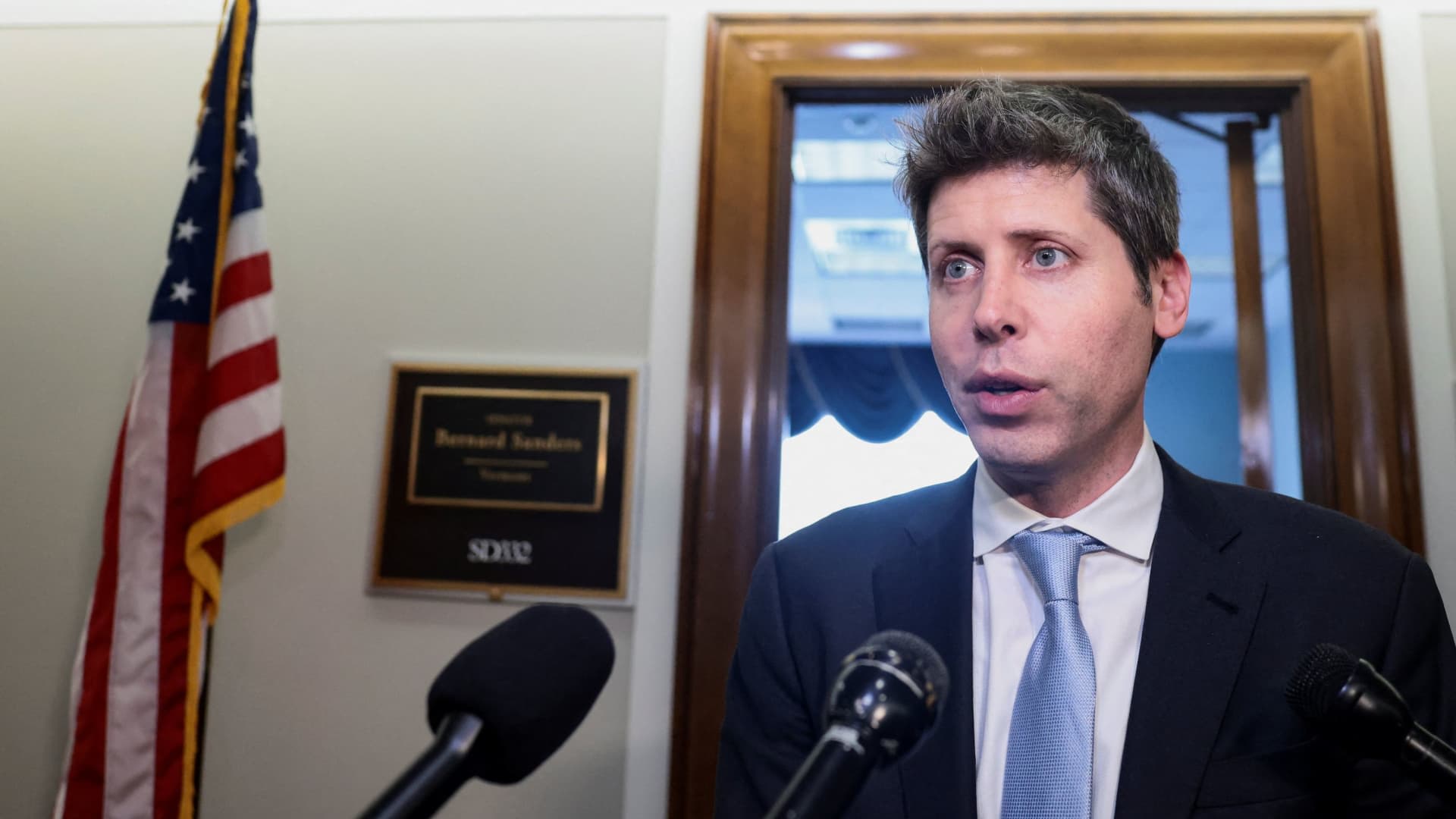
OpenAI's ChatGPT dominates Congressional AI spending, accounting for 90% of paid tool usage by House offices. Data reveals a significant partisan divide, with Democrats spending three times more on AI subscriptions than Republicans.
The Rise of AI on Capitol Hill
Artificial intelligence has officially permeated the halls of the United States Congress, with OpenAI’s ChatGPT emerging as the clear market leader in the legislative branch's early adoption phase. According to recent House disbursement records, Congress spent over $113,000 on identifiable AI tools in the year leading up to March 31, 2026. Of that total, roughly 90%—approximately $100,580—was directed toward OpenAI, signaling that ChatGPT has become the de facto standard for digital assistance among House staff.
The Mechanics of Congressional AI Spending
The financial data highlights a specific, albeit partial, look at how technology is transforming legislative workflows. With 798 distinct transactions recorded, it is evident that staffers are integrating these tools into their daily routines. These funds are primarily used to streamline labor-intensive tasks such as drafting internal memos, summarizing complex legislative text, and managing high volumes of constituent communications. While Anthropic’s Claude holds a distant second place with $13,160 in spending, the vast majority of the legislative branch's fiscal commitment remains firmly anchored to the OpenAI ecosystem.
Partisan Disparities in Digital Adoption
An intriguing trend emerging from the spending data is the notable partisan divide in AI investment. Democratic offices accounted for $54,165 in AI-related purchases, which is more than triple the $15,782 spent by their Republican counterparts. This discrepancy suggests that while AI adoption is bipartisan in nature, the speed and scale of integration are currently being driven more aggressively by one side of the aisle. Whether this reflects differing technological priorities or varying internal staff policies remains a subject for further observation.
Limitations of the Current Data
It is crucial to note that these figures likely represent only a fraction of true AI usage within the Capitol. The current disbursement records exclude free versions of AI models, which are often used for quick tasks, and do not account for AI capabilities bundled into larger enterprise software suites like Microsoft 365 or Google Workspace. Furthermore, the analysis is restricted to the House of Representatives, leaving the Senate’s AI adoption habits largely invisible to public scrutiny at this time.
Broader Implications for Regulation
As lawmakers continue to grapple with the complexities of regulating the rapidly evolving AI industry, their status as active users of these tools is significant. By engaging with platforms like ChatGPT, members of Congress are gaining firsthand experience with the capabilities and limitations of generative AI. This dual role—as both a regulator and an end-user—will inevitably shape future legislative debates regarding data privacy, algorithmic bias, and the ethical deployment of AI in government operations.
Future Trends and Outlook
Looking ahead, the reliance on AI in Congress is expected to grow as these tools become more sophisticated and deeply embedded in legislative software. The current spending patterns suggest that once a specific platform gains a foothold, it creates a network effect that is difficult for competitors to penetrate. As Congress moves toward creating a comprehensive legal framework for artificial intelligence, the presence of these tools in the daily work of lawmakers will likely act as a catalyst for more nuanced and informed policymaking in the years to come.