How will the world look in 2070? 7 ChatGPT prompts to imagine the future
Source Entity
Latest News: Todays Latest News Headlines from India & World | Hindustan Times | Hindustan Times
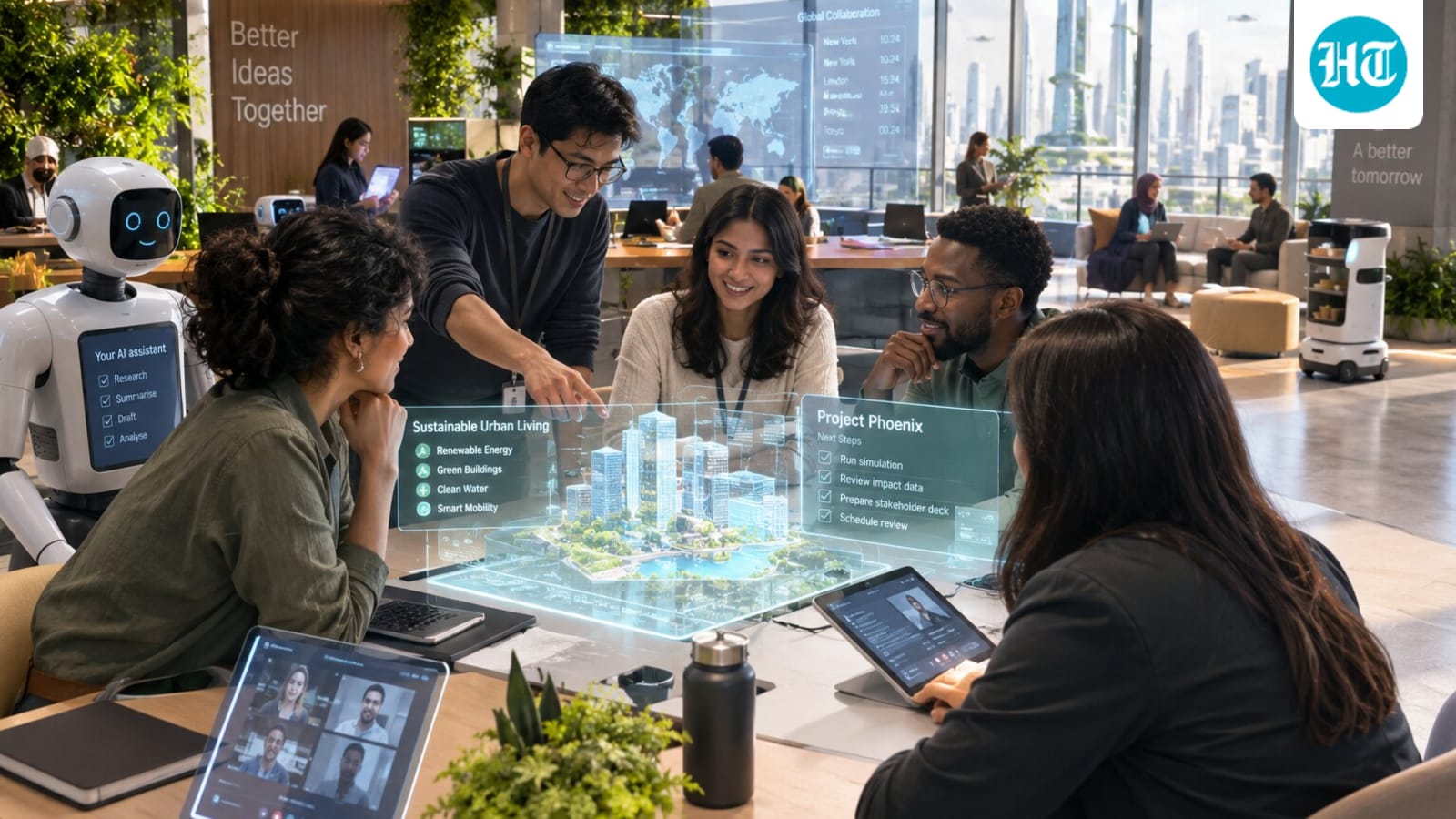
This article explores how AI-generated prompts can visualize potential futures for 2070, focusing on sustainable urban development and adaptive living environments. By leveraging tools like ChatGPT, users can conceptualize plausible advancements in technology and architecture.
Visualizing the Horizon: AI and the 2070 Vision
The exploration of the future has long been a domain for science fiction writers and futurists, but the advent of generative AI has shifted this paradigm into a more interactive and accessible experience. By using tools like ChatGPT to craft detailed prompts, individuals are now able to generate conceptual blueprints for the year 2070. These prompts act as a bridge between current technological trajectories and speculative design, focusing on realistic advancements rather than fantastical or exaggerated tropes.
Designing the Sustainable Metropolis
At the heart of these AI-driven visions is the concept of the sustainable city. The focus on vertical gardens, clean public spaces, and pedestrian-friendly infrastructure suggests a societal pivot toward environmental harmony. By prioritizing autonomous transportation and reducing the reliance on traditional vehicular traffic, these visions reflect current urban planning trends that emphasize human-centric design. This shift suggests that the future of urban density will likely be defined by a balance between high-tech efficiency and ecological integration.
The Evolution of Domestic Life
Beyond the city skyline, the domestic sphere is predicted to undergo significant transformations. The focus on adaptive furniture and energy-efficient home interiors highlights a move toward modular and responsive living spaces. As households become increasingly integrated with smart technology, the home of 2070 is envisioned not just as a shelter, but as an interactive ecosystem that optimizes comfort and resource management. These prompts encourage a view of technology that is seamless and utilitarian rather than overwhelming.
Balancing Innovation and Plausibility
One of the most critical aspects of these AI-generated visions is the deliberate avoidance of extreme sci-fi elements. By grounding these prompts in "believable technology," users are encouraged to extrapolate from existing trends in clean energy, architecture, and social organization. This approach provides a grounded perspective on progress, suggesting that the most impactful changes in the next four decades may arise from the refinement of current systems—such as sustainable construction and intelligent automation—rather than sudden, disruptive breakthroughs.
The Societal Impact of AI Forecasting
Using AI to forecast the future serves a dual purpose: it allows for creative expression and acts as a tool for critical thinking about our current path. When we visualize a diverse, thriving population living within these advanced infrastructures, we are effectively setting a goal for urban development. These prompts serve as a collaborative exercise between human intent and machine synthesis, helping to normalize the idea of a sustainable, technologically advanced future.
Conclusion: A Roadmap for Tomorrow
Ultimately, the exercise of imagining 2070 through AI is about aligning our current innovations with our long-term aspirations. Whether it is through the lens of green architecture or smart homes, these visions provide a constructive framework for understanding how daily life might evolve. By focusing on sustainability and human-centric technology, we can better prepare for the challenges and opportunities that the coming decades will inevitably bring.
Verification Required?