Cheaper Scotch raises stakes for desi whisky
Source Entity
SUPRIYA ROY
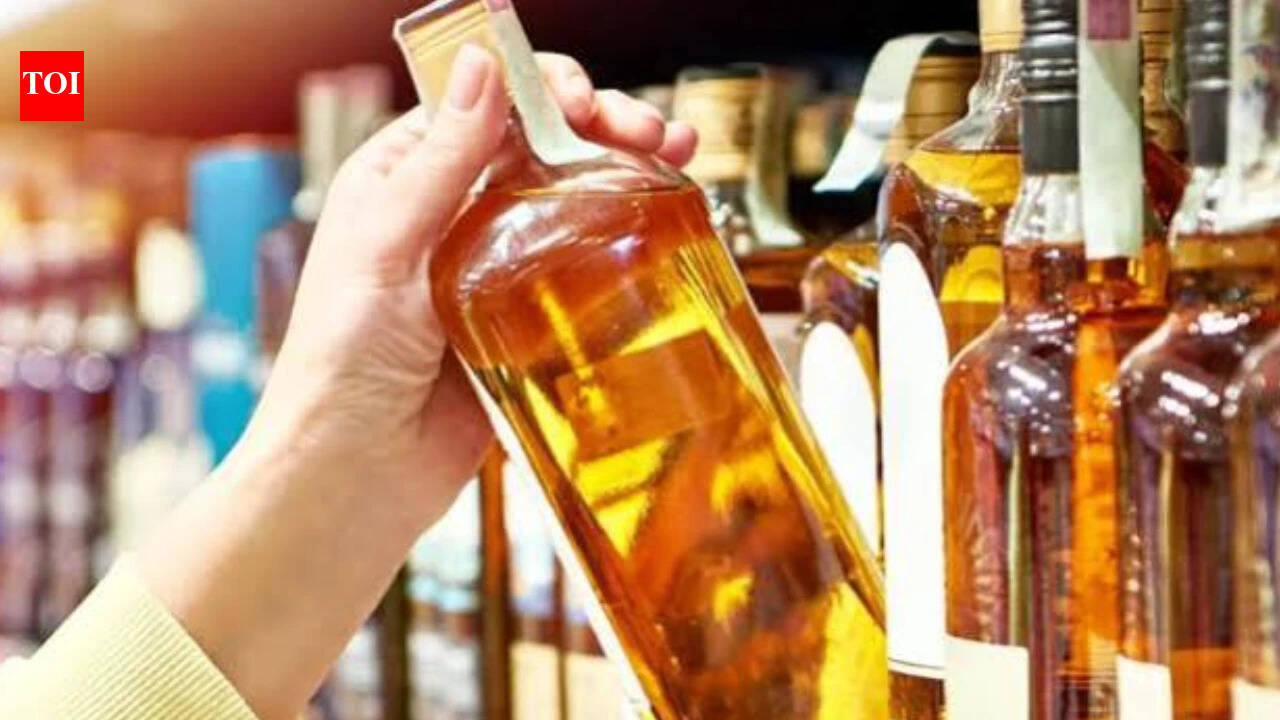
The influx of cheaper imported Scotch whisky is challenging Indian craft distillers by undercutting domestic prices. This shift, driven by lower import duties and local bottling, threatens the survival of smaller independent spirits producers in India.
The Shifting Landscape of the Indian Spirits Market
The Indian whisky market is currently undergoing a significant structural transformation as the price gap between premium domestic offerings and imported Scotch continues to narrow. Traditionally, Indian consumers viewed imported Scotch as a luxury tier, while local distillers focused on affordable, mass-market products or niche craft labels. However, recent trends indicate that the competitive barrier between these segments is eroding, placing intense pressure on smaller, independent Indian distillers who lack the economies of scale enjoyed by global giants.
The Impact of Import Duties and Local Bottling
At the heart of this disruption is the reduction in import duties and the strategic shift toward local bottling of international brands. By bottling Scotch locally, global companies can bypass certain tax burdens, significantly lowering the shelf price for the end consumer. This tactical pricing has created a scenario where established international labels are now retailing at a fraction of the cost of artisanal Indian-made whiskies, effectively flipping the traditional market hierarchy on its head.
Case Study: Price Disparity in Bengaluru
The economic reality of this shift is best illustrated by recent market data from Bengaluru. Retail prices show a stark contrast: a bottle of J&B Rare was recently priced at Rs 1,375, whereas a domestic rice malt whisky from the craft producer Huli Spirits was launched at Rs 2,650. This price gap of over 50% creates a formidable hurdle for local brands that cannot match the aggressive pricing strategies of multinational corporations that benefit from global supply chains and favorable duty structures.
Survival Risks for Domestic Craft Distillers
For small-scale distillers, the implications are existential. Founders like Aruna Urs of Huli Spirits have expressed grave concerns regarding the viability of the craft segment. When consumers are presented with a choice between a globally recognized, cheaper imported label and a higher-priced domestic craft product, the economic incentive often favors the former. Without a clear value proposition or protective market measures, the artisanal segment of the Indian spirits industry faces a period of intense consolidation and potential closure.
Future Trends and Industry Outlook
Looking ahead, the Indian spirits market is likely to see further volatility. As international brands continue to leverage local bottling to capture the middle-market segment, domestic players will need to innovate rapidly to differentiate themselves. The future of the industry will likely depend on whether craft distillers can cultivate a loyal consumer base that values local provenance over price, or if the market will consolidate entirely into a domain dominated by global spirits conglomerates. The survival of the 'desi' whisky sector will require a delicate balance of brand storytelling, quality differentiation, and potentially, shifts in government policy to level the playing field.