Children falling sick shortly after school reopens? Paediatrician Dr Lokesh Mahajan shares how parents can reduce risk
Source Entity
Latest News: Today's Latest News Headlines from India & World | Hindustan Times | Hindustan Times
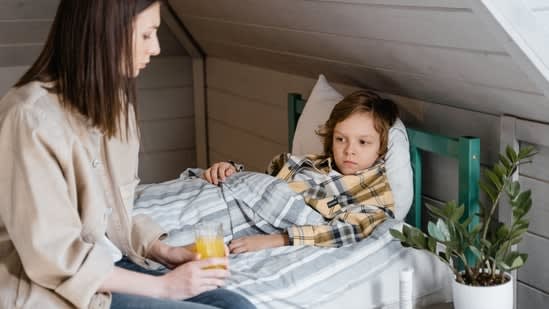
As schools reopen after summer break, children often carry infections home. Dr Mahajan explains why it happens and how parents can deal with it.
Navigating the 'Back-to-School' Health Surge: An Analysis of Post-Vacation Infections
The reopening of educational institutions after a prolonged summer break often triggers a predictable yet challenging spike in pediatric illnesses. As highlighted by Paediatrician Dr. Lokesh Mahajan, the transition from the relatively isolated environment of home vacations to the high-density social setting of a classroom creates a prime environment for the transmission of communicable diseases. This phenomenon is not merely a coincidence of timing but a result of biological and environmental factors that converge when children resume their academic routines.
The Mechanics of Transmission in School Environments
Schools act as biological "mixing bowls" where children from diverse geographical areas and households congregate. During summer breaks, children's exposure to a wide variety of pathogens is typically reduced. When they return to school, they are suddenly exposed to a concentrated array of viruses and bacteria. Because children—especially younger ones—are still developing their immune systems and often lack the hygiene discipline of adults, the spread of upper respiratory infections, gastrointestinal bugs, and common colds happens rapidly through shared surfaces, close physical contact, and airborne droplets.
Historical Context and Seasonal Vulnerability
Historically, the period following summer break often aligns with seasonal transitions, such as the onset of the monsoon or autumn. These climatic shifts can stress the human immune system, making children more susceptible to opportunistic infections. In previous decades, these "back-to-school" sicknesses were viewed as an inevitable rite of passage. However, with the evolution of pediatric medicine and a deeper understanding of epidemiology, experts like Dr. Mahajan now emphasize that while some exposure is natural for building immunity, the severity and frequency of these outbreaks can be significantly managed through proactive intervention.
Strategic Mitigation and Preventative Care
To reduce the risk of illness, the focus must shift toward a holistic approach to pediatric health. Dr. Mahajan's guidance likely centers on the "three pillars of prevention": hygiene, nutrition, and immunization. Strengthening hand-washing protocols and teaching children respiratory etiquette (such as coughing into elbows) are the first lines of defense. Furthermore, ensuring that children have a nutrient-dense diet rich in vitamins and minerals helps fortify their natural immune response. Parents are also encouraged to review vaccination schedules to ensure that children are protected against preventable diseases that could otherwise spread rapidly in a school setting.
The Household Ripple Effect
One of the most critical implications of school-based infections is the "ripple effect" they have on the broader family unit. Children often act as vectors, bringing pathogens from the classroom into the home, where they can infect parents, siblings, and particularly vulnerable elderly grandparents. This transforms a school health issue into a family health crisis, often leading to increased absenteeism for parents and higher healthcare costs. Understanding this link is essential for parents to realize that maintaining a child's health at school is a prerequisite for maintaining the health of the entire household.
Future Trends in School Health Management
Looking forward, it is likely that the approach to school reopenings will become more systemic. We can expect a shift toward integrated health screenings and a more rigorous "sick-day" culture, where parents are encouraged to keep symptomatic children home to prevent community spread. Additionally, the integration of health education into the school curriculum—teaching children the why behind hygiene—will likely reduce the reliance on parental supervision and empower students to manage their own health risks.
Conclusion
In summary, the post-summer health dip in children is a multifaceted issue involving environmental exposure and biological vulnerability. By following the expert advice of specialists like Dr. Lokesh Mahajan, parents can move from a reactive stance—treating illness after it occurs—to a proactive stance. Through a combination of improved hygiene, nutritional support, and a mindful approach to school attendance during outbreaks, the risks associated with the return to school can be minimized, ensuring a healthier academic start for children.
Verification Required?