China Bars Reporter From Trump-Xi-Putin Meet Over "Rude" Jensen Huang Question
Source Entity
NDTV News Search Records Found 1000
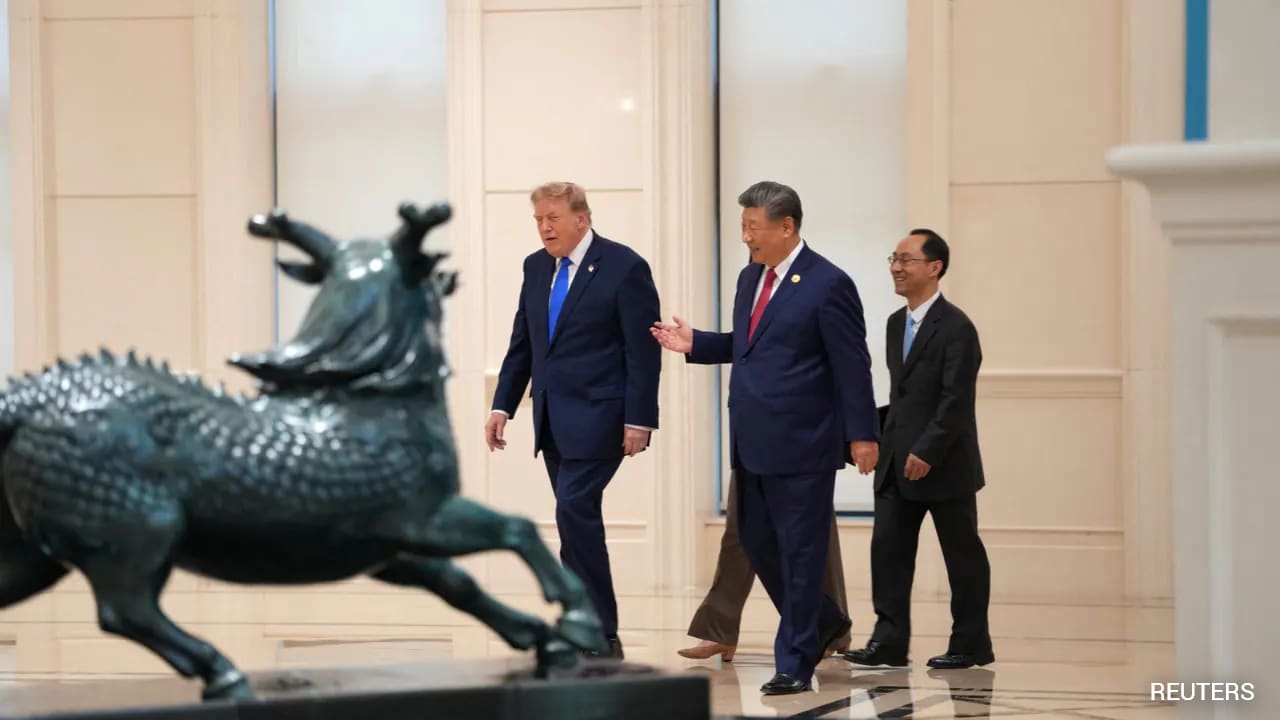
Journalist Annmarie Hordern was denied entry to a high-profile trilateral meeting between Trump, Xi, and Putin. Chinese officials cited her previous questioning of Nvidia CEO Jensen Huang as the reason for the exclusion.
Diplomatic Access and Press Freedom: A Tense Intersection
The exclusion of journalist Annmarie Hordern from the trilateral meeting involving Donald Trump, Xi Jinping, and Vladimir Putin marks a significant flashpoint in the ongoing friction between international diplomatic protocols and the freedom of the press. By barring a reporter from such a high-stakes summit, the Chinese delegation has sent a clear signal regarding their expectations of conduct for media personnel operating within their sphere of influence.
The Catalyst: The Jensen Huang Incident
At the heart of this controversy lies a previous interaction involving Hordern and Nvidia CEO Jensen Huang. The characterization of her questioning as "rude" by Chinese officials serves as a pretext for limiting access to global leaders. This incident highlights how state actors are increasingly scrutinizing the tone and substance of journalistic inquiry, effectively using "rudeness" as a subjective metric to curate the media environment surrounding sensitive international negotiations.
Implications for Global Diplomacy
When news organizations are restricted from covering trilateral meetings of this magnitude, the transparency of global geopolitics is inevitably compromised. Access to leaders like Trump, Xi, and Putin is vital for independent verification of diplomatic progress. By limiting the pool of journalists, the involved parties exert greater control over the narrative, potentially shielding their discussions from the rigorous scrutiny that a free press provides.
Historical Context of Media Restrictions
Historically, the relationship between the Chinese state and foreign media has been characterized by cycles of tension, particularly regarding visa access and proximity to state leadership. The decision to bar Hordern follows a pattern where international journalists are often sidelined when their reporting or questioning style deviates from the state-sanctioned decorum. This creates a chilling effect, where reporters may feel pressured to self-censor to maintain their access to vital global summits.
Future Trends in Press Relations
Looking forward, we can expect this trend of "curated journalism" to persist as geopolitical tensions remain high. As technology and artificial intelligence—often represented by figures like Jensen Huang—become central to national security and trade discussions, reporters covering these sectors will likely face increased scrutiny. The future of international reporting will depend on whether global powers can agree on standardized protocols for press access, or if such exclusions will become the new diplomatic norm.
Verification Required?