China slams India’s move of formally naming 27 places in Arunachal Pradesh
Source Entity
India Latest News: Top National Headlines Today & Breaking News | The Hindu
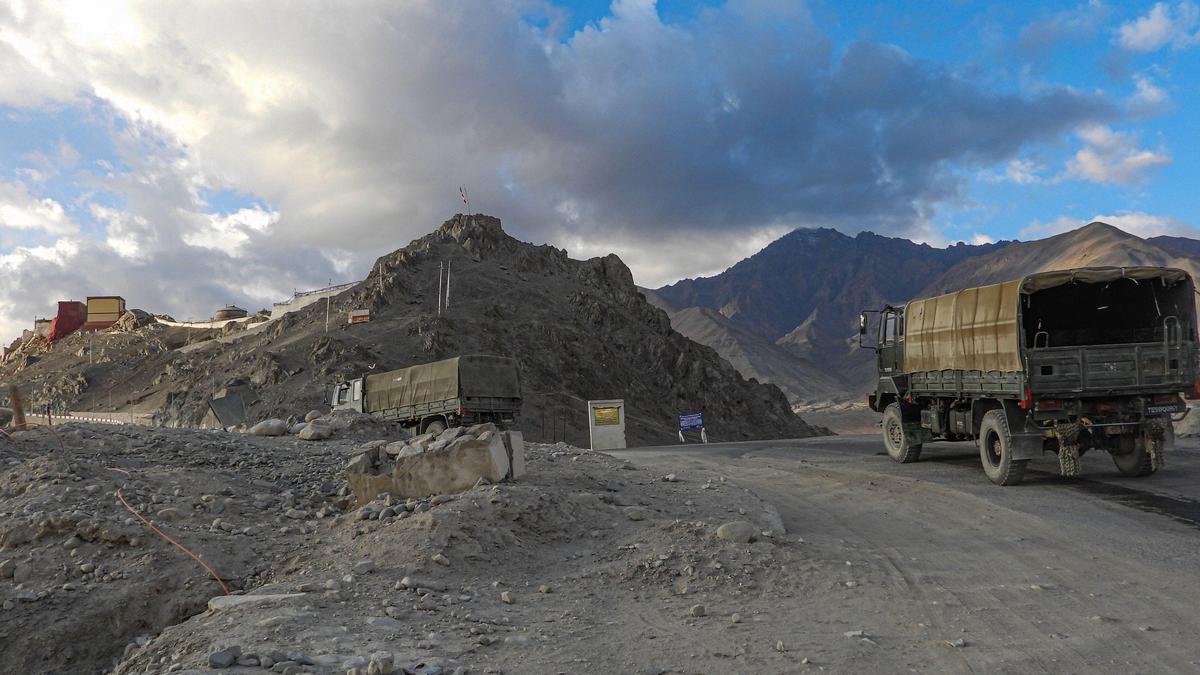
China has criticized India's formal naming of 27 locations in Arunachal Pradesh, labeling it a provocative act of self-deception. This development follows diplomatic talks aimed at managing the LAC, highlighting the persistent tension between the two nations despite ongoing border management discussions.
Tensions Escalate Over Arunachal Pradesh Toponymy
On August 7, 2026, the Indian government took a significant step by formally identifying 27 locations—including various landforms, mountain passes, a lake, and a monument—within the state of Arunachal Pradesh by their standard Indian names on official maps. This move acts as a direct counter-response to China’s recurring practice of issuing its own standardized geographical names for areas within the Indian territory, which Beijing refers to as 'Zangnan.'
The Diplomatic Friction
This decision arrived just one day after diplomatic representatives from India and China concluded meetings in New Delhi under the Working Mechanism for Consultation and Coordination on India-China Border Affairs (WMCC). While the Ministry of External Affairs (MEA) noted that both sides engaged in 'frank discussions' regarding the Line of Actual Control (LAC) and boundary delimitation, the subsequent public rebuke from Beijing underscores the deep-seated fragility of these diplomatic engagements.
China’s Official Response
By August 9, 2026, China expressed strong opposition to India’s cartographic move. Through state-affiliated media channels like the Global Times, Beijing characterized India's actions as a form of 'self-deception.' The Chinese government argued that such unilateral naming conventions are counterproductive to the 'improving momentum' of bilateral relations, explicitly warning that India should avoid inflating border issues into larger, more intractable disputes.
The Strategic Context of the LAC
The core of this conflict lies in the contested nature of the Line of Actual Control. For decades, the boundary issue has remained the primary bottleneck in Sino-Indian relations. While the WMCC framework is designed to facilitate peace and tranquility, the disconnect between diplomatic dialogue and unilateral cartographic assertion suggests that both nations are struggling to find a middle ground that satisfies their respective domestic political imperatives and territorial claims.
Broader Implications for Bilateral Ties
This incident highlights a recurring pattern in India-China relations: the juxtaposition of high-level diplomatic talks with provocative territorial assertions. While both nations acknowledge that peace is essential for 'overall development,' the act of formalizing place names serves as a signal to both domestic audiences and the international community regarding sovereignty. As long as these symbolic battles continue, the path toward a comprehensive border settlement remains obstructed by mutual suspicion.
Future Trends and Outlook
Looking ahead, it is likely that both nations will continue to engage in these 'map wars' as a low-cost, high-visibility method of asserting territorial claims. Without a breakthrough in the substantive boundary delimitation talks, the relationship will continue to oscillate between periods of managed calm and sudden diplomatic outbursts. The challenge for both New Delhi and Beijing will be to ensure that these symbolic escalations do not spill over into physical confrontations along the LAC, which could have far more severe consequences for regional stability.
Verification Required?