China’s U.S.-bound shipments fall in July after brief recovery, survey shows
Source Entity
US Top News and Analysis
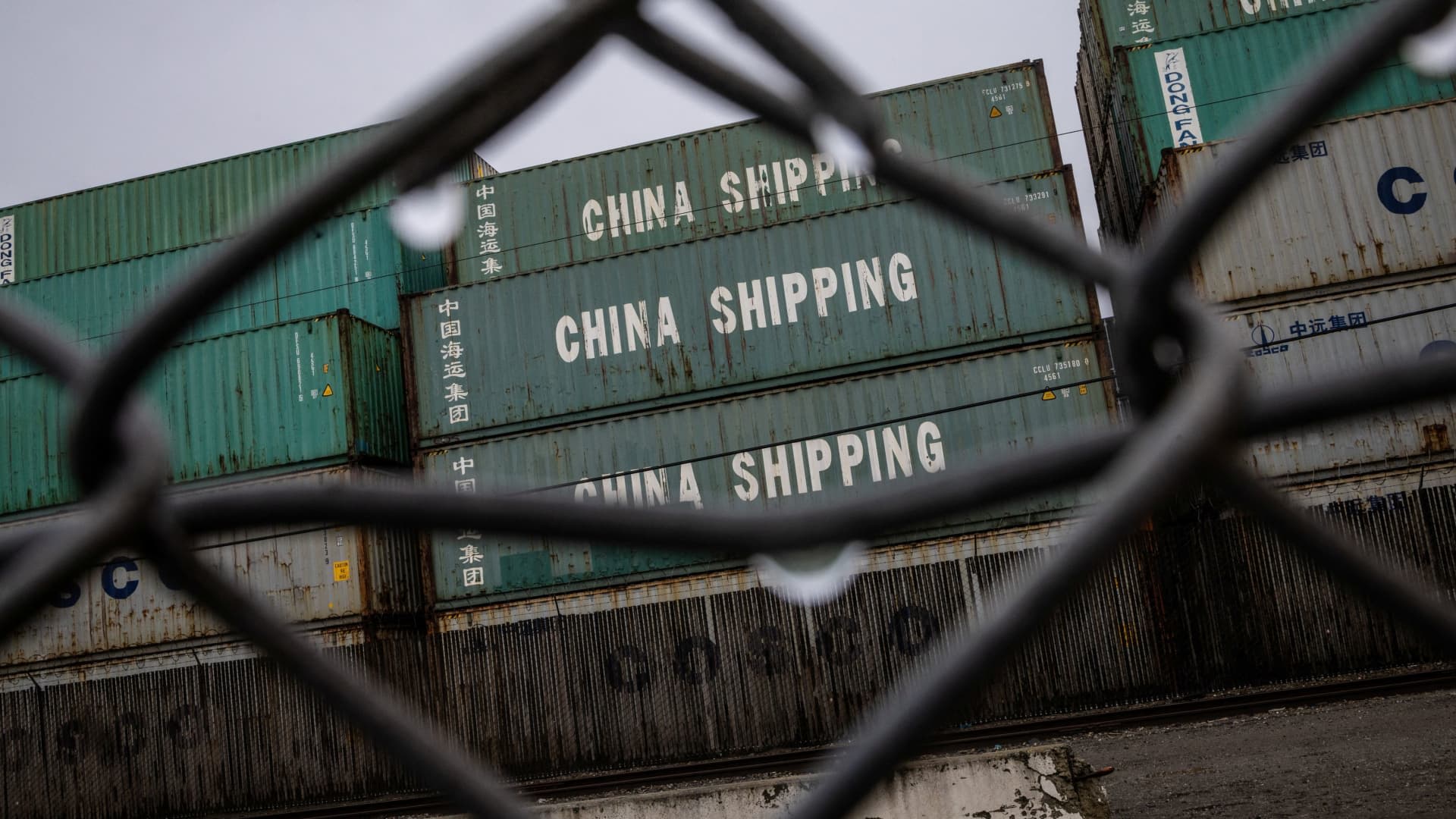
China's manufacturing sector contracted in July as export demand to the U.S. declined. This shift marks the end of a brief recovery, intensifying pressure on Beijing to stimulate domestic growth amid ongoing trade tensions.
The Cooling of China’s Manufacturing Engine
Recent data from the China Beige Book and the National Bureau of Statistics reveals a significant downturn in China's manufacturing sector for July. After a brief period of expansion throughout the second quarter, the official manufacturing purchasing managers' index (PMI) slid to 49.2, falling below the critical 50-point threshold that distinguishes growth from contraction. This unexpected decline underscores a broader fragility within the Chinese industrial landscape as the momentum generated by early-year export activity begins to dissipate.
The Impact of U.S.-Bound Export Declines
A primary driver for this contraction is the sudden deceleration of shipments destined for the United States. According to the China Beige Book study, which surveyed over 1,400 businesses, U.S.-bound shipments fell in July for the first time in several months. This reversal is particularly notable given that the second-quarter economic rebound was largely propped up by an 'export rush,' where manufacturers accelerated shipments to circumvent anticipated tariff increases. With that rush now fading, the structural reliance on U.S. trade as a growth engine is facing renewed scrutiny.
Trade Tensions and Historical Context
The current economic climate is heavily influenced by persistent trade friction. Since April 2025, trade tensions have escalated, leading to fluctuations in export volumes. Data indicates that previous declines, such as the 26% plunge observed in March, set a precedent for the volatility currently plaguing the sector. The ongoing geopolitical backdrop, characterized by U.S. tariffs, continues to disrupt supply chains and force Chinese enterprises to grapple with an increasingly uncertain international trade environment.
Domestic Demand: The Missing Link
The contraction in manufacturing activity serves as a clarion call for Beijing to pivot its economic strategy. With the export-led recovery model showing signs of exhaustion, the burden of sustaining economic growth now shifts to domestic consumption. However, the current data suggests that internal demand has yet to fill the void left by cooling exports. Without a substantial uptick in local spending or state-led stimulus, the industrial sector remains vulnerable to further international market volatility.
Future Outlook and Economic Implications
Looking ahead, the trajectory of China’s economy will likely be defined by its ability to navigate these external pressures. The end of the three-month expansion streak suggests that the 'rush to ship' strategy is no longer a viable long-term solution for manufacturers. Policymakers are now under mounting pressure to implement structural reforms that boost internal resilience. Whether Beijing chooses to deploy significant fiscal stimulus or focus on long-term industrial upgrading will determine if this July contraction is a temporary setback or the beginning of a more prolonged period of industrial stagnation.