China's Oil Output Hits Record High
Source Entity
Yahoo Finance
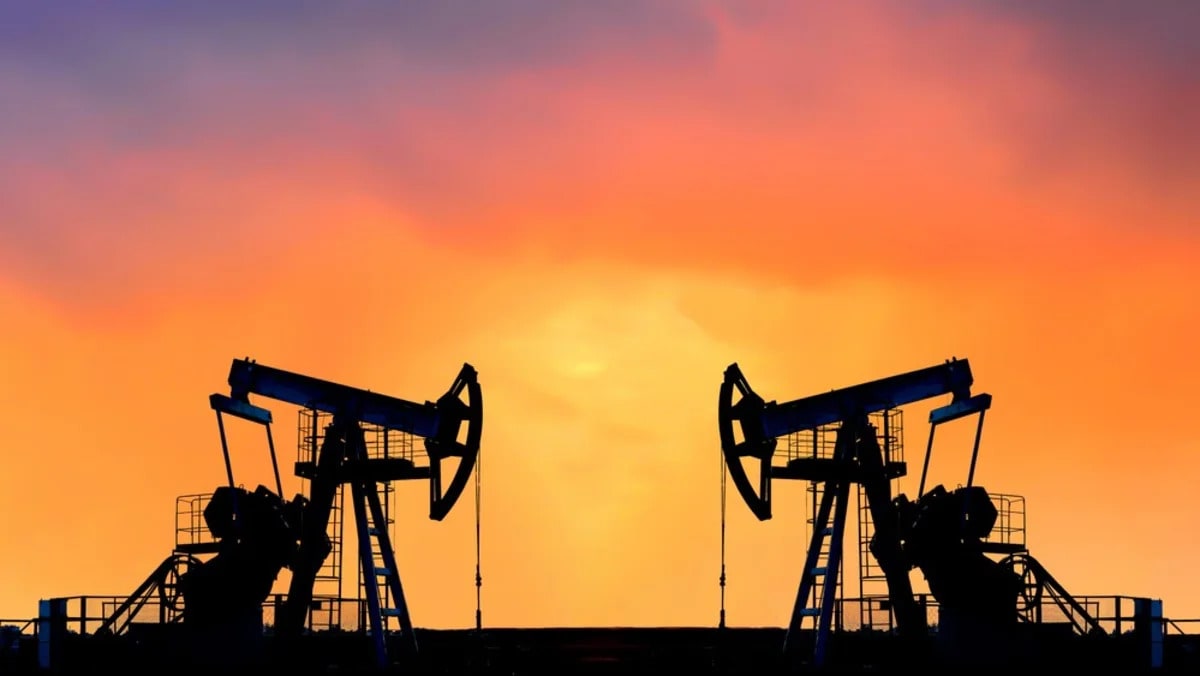
China achieved record-breaking domestic oil and gas production last year, reaching 216 million tons of crude oil and a combined oil equivalent output of 420 million tons. This surge, supported by significant gains in reserves, underscores the nation's push for energy security.
China's Record-Breaking Energy Milestone
China’s energy sector has reached a historic inflection point, as the National Energy Administration (NEA) recently confirmed that the nation achieved record-breaking crude oil production of 216 million tons last year. When combined with substantial gains in natural gas output—which increased by 10 billion cubic meters—the total energy output reached an unprecedented 420 million tons of oil equivalent. This data highlights a consistent strategic focus on domestic resource extraction, maintaining a steady annual growth rate for the ninth consecutive year.
Expanding Reserves and Strategic Discovery
Beyond mere production figures, the report underscores a significant effort in exploration and reserve management. Chinese energy firms successfully added 1.32 billion tons of oil equivalent to their recoverable reserves, marking a 5.6% year-on-year increase. Of this total, 1.29 billion tons were attributed to conventional sources, while 30 million tons were identified as unconventional. This focus on long-term reserve building is a critical indicator of China's intent to buffer its industrial machine against global supply chain volatility.
The Geopolitical Context of Energy Security
For a nation as industrialized as China, energy security is synonymous with national security. By ramping up domestic output, Beijing is actively attempting to reduce its heavy reliance on imported hydrocarbons, which remain susceptible to geopolitical tensions and fluctuations in global trade routes. The steady growth reported by the NEA serves as a stabilizing factor for the Chinese economy, ensuring that the necessary fuel for infrastructure, manufacturing, and transportation remains domestically accessible.
Implications for the Energy Transition
While the focus remains on fossil fuel output, the scale of this production provides the fiscal and operational stability required for China’s broader energy transition. The massive increase in natural gas production, in particular, acts as a bridge fuel, allowing for a cleaner transition than coal-reliant power generation. The balance between maintaining legacy energy production and investing in future-tech energy solutions remains a delicate, yet central, theme of China's current industrial policy.
Future Trends in Domestic Extraction
Looking ahead, the emphasis on discovering 1.29 billion tons of conventional oil and gas suggests that China is not yet ready to pivot away from traditional extraction. The technology utilized to reach these records—likely involving advanced seismic exploration and deep-well drilling—will continue to be a primary area of investment. As global energy demand fluctuates, China’s strategy of maximizing domestic production will likely persist as a core pillar of its economic planning, ensuring that its massive industrial output is supported by a reliable, internal supply chain.