China Weighs Export Restrictions: Will Rooftop Solar Get Costlier In India?
Source Entity
NDTV News Search Records Found 1000
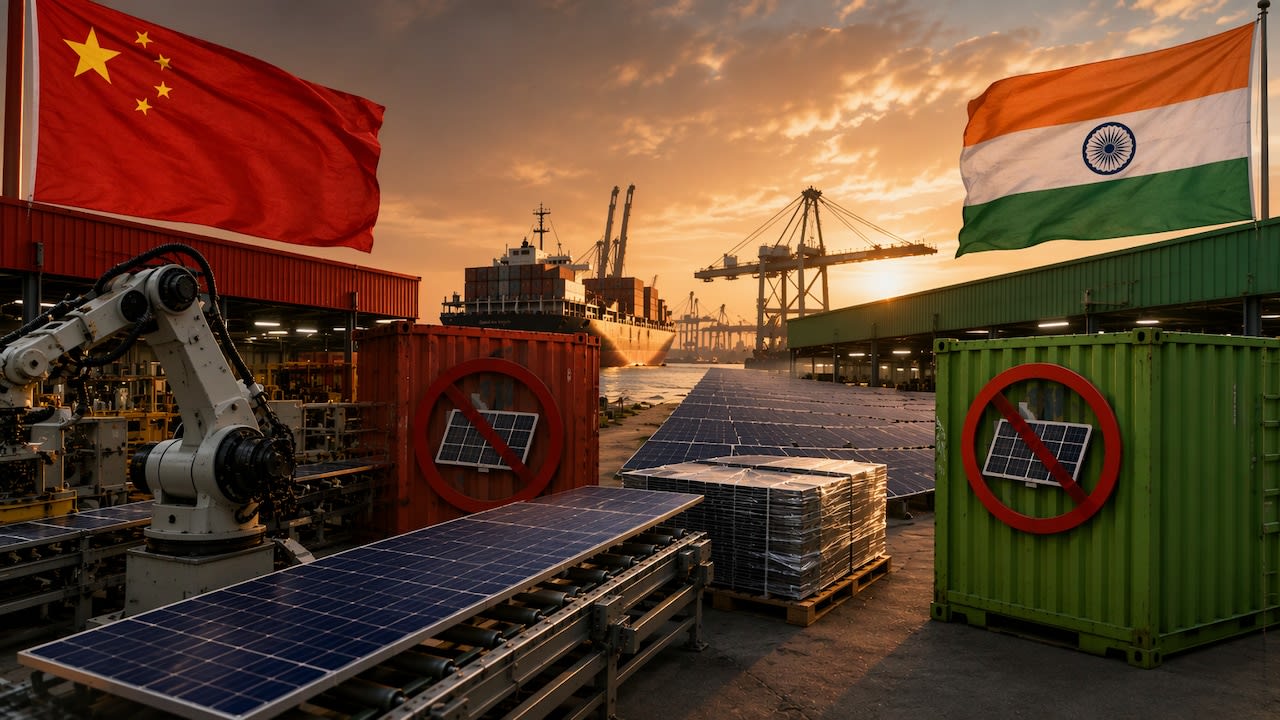
China is considering export restrictions on solar technology, which threatens to increase costs for India's solar sector. Given India's heavy reliance on imported solar cells, this policy shift could disrupt domestic rooftop solar expansion.
The Strategic Vulnerability of India's Solar Supply Chain
India’s ambitious transition toward renewable energy faces a significant geopolitical hurdle as China contemplates new export restrictions on solar manufacturing technology. While the global shift toward green energy is accelerating, the underlying supply chain remains heavily concentrated in China. Because India remains dependent on imports for a large share of its solar cells, any disruption in Chinese export policies presents an immediate risk to the cost-effectiveness of India’s domestic solar infrastructure projects.
The Impact on Rooftop Solar Economics
The rooftop solar segment is particularly sensitive to fluctuations in the price of imported components. As the primary cost driver for these installations is the solar cell itself, a supply-side shock originating from China would inevitably cascade into higher capital expenditures for Indian residential and commercial consumers. If these restrictions are implemented, the payback period for rooftop solar systems could lengthen, potentially dampening the momentum of India’s decentralized energy goals.
Geopolitical Leverage and Manufacturing Autonomy
The potential for export restrictions highlights the broader strategic challenge of supply chain dependency in the energy sector. China currently dominates the global market for crystalline silicon solar cells, granting it substantial leverage over nations seeking to meet their climate targets. For India, this situation underscores the critical necessity of scaling domestic manufacturing capabilities to reduce reliance on foreign entities for essential clean energy hardware.
Historical Context and Policy Evolution
Historically, India has relied on global trade to fuel its rapid solar expansion, prioritizing the speed of installation over local manufacturing. While this approach was effective in achieving rapid capacity growth, it left the sector vulnerable to external market shocks. Current discussions regarding export restrictions serve as a catalyst for policymakers to re-evaluate the balance between low-cost imports and the strategic imperative of supply chain sovereignty.
Future Trends and Strategic Outlook
Looking ahead, the volatility of the solar supply chain is likely to drive a more aggressive push toward domestic production incentives. We can expect to see increased government focus on manufacturing subsidies and potential trade barriers aimed at protecting local industry from external price volatility. Ultimately, the future of India's solar sector depends on its ability to transition from a consumer of global technology to a self-sufficient hub of renewable energy production.
Verification Required?