Xi Jinping's new formula to beat American jets? China turns Y-20 into a multi-mission war platform
Source Entity
Latest News: Todays Latest News Headlines from India & World | Hindustan Times | Hindustan Times
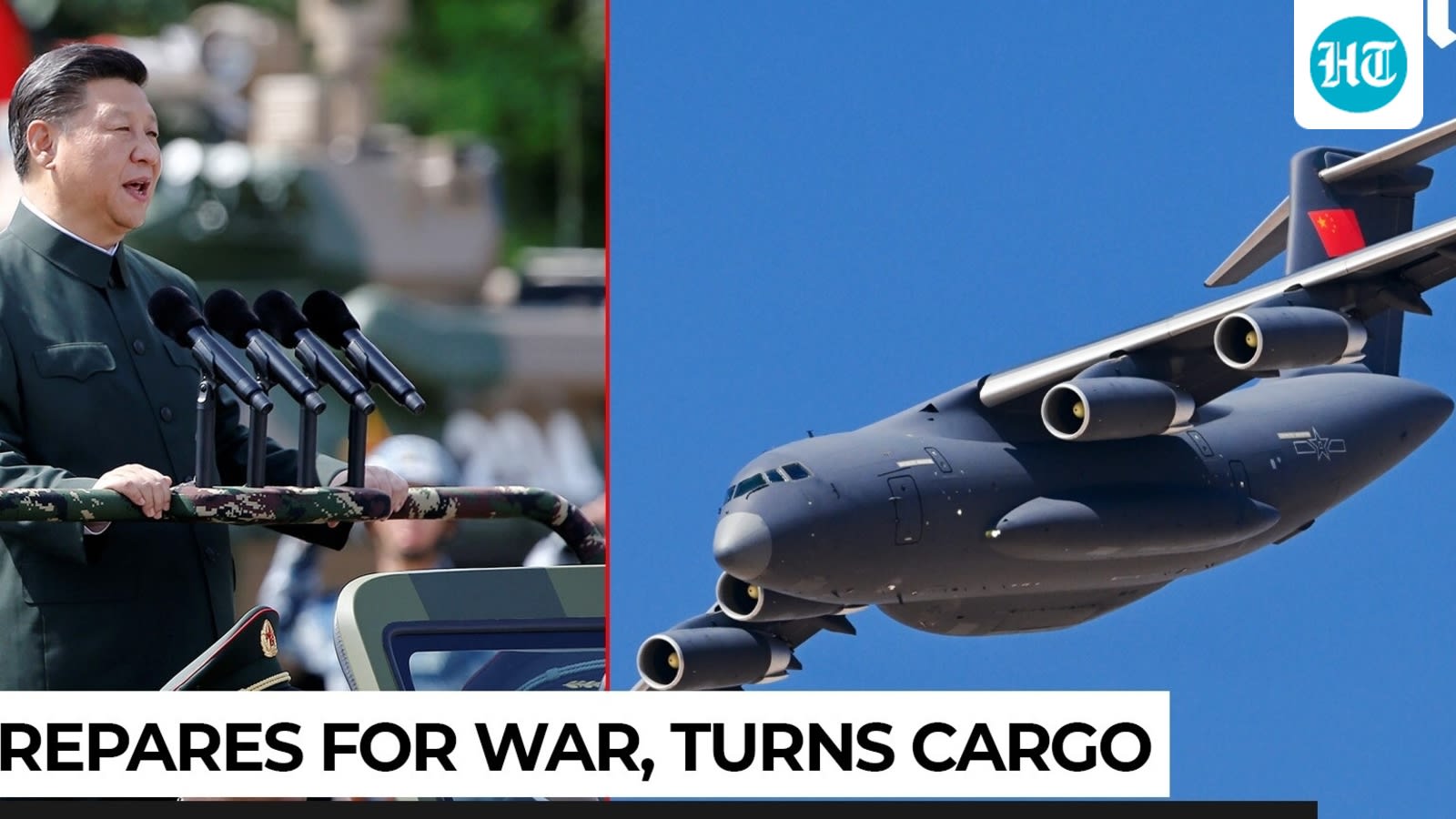
China is evolving its Y-20 heavy transport fleet into a versatile, multi-mission platform capable of aerial refueling and command-and-control operations. By integrating domestic WS-20 engines, the PLA is significantly enhancing its power projection capabilities across the Western Pacific.
The Strategic Evolution of China's Y-20 Fleet
China’s military aviation sector is currently undergoing a significant transformation, centered on the strategic expansion of the Y-20 'Kunpeng' heavy transport aircraft. Originally designed as a strategic airlifter to compete with the American C-17 Globemaster III, the Y-20 is now being pivoted into a multi-mission platform. By diversifying the airframe’s utility into tanker and airborne early warning and control (AEW&C) roles, the People's Liberation Army (PLA) is effectively addressing one of its most persistent vulnerabilities: the lack of flexible, long-range power projection capabilities.
Overcoming Technical Dependencies with the WS-20
A pivotal element in this modernization effort is the integration of the domestic WS-20 turbofan engine. Previously, China’s heavy lift capacity was constrained by a reliance on imported Russian powerplants. The transition to the WS-20 not only increases the payload capacity and fuel efficiency of the Y-20 but also provides Beijing with critical strategic autonomy. This technological leap ensures that the PLA can sustain a growing fleet of specialized variants without the risks associated with foreign supply chains or geopolitical sanctions.
Power Projection in the Western Pacific
The tactical utility of the Y-20 is already being demonstrated through its deployment in complex logistical operations. Beyond its role in moving troops and equipment, the Y-20 has been utilized to transport advanced weaponry, such as the FK-3 air-defense systems, to international partners like Serbia. This capability highlights the aircraft's role in China’s broader diplomatic and military influence strategy, demonstrating an ability to project hard power across vast distances with relative ease.
Tactical Flexibility and Aerial Refueling
Perhaps the most significant development is the modification of the Y-20 into a tanker variant. The ability to refuel fighter jets mid-air significantly extends the combat radius of the PLA Air Force (PLAAF), particularly in contested regions like the Western Pacific. By transforming a transport platform into a force multiplier, China is effectively 'stretching' its existing air assets, allowing them to remain on station longer and operate far beyond the mainland’s immediate coastal defense perimeter.
Future Trends and Geopolitical Implications
As the Y-20 fleet continues to grow and diversify, the strategic landscape of the Pacific is shifting. The transition toward a versatile air-power backbone suggests that Beijing is preparing for a future defined by expeditionary warfare rather than purely defensive maneuvers. This development forces regional competitors and the United States to recalibrate their own aerial strategies, as the PLA’s ability to move fuel, command assets, and rapid-response forces becomes increasingly standardized and scalable.
Conclusion
In conclusion, the evolution of the Y-20 into a multi-mission platform marks a coming-of-age for Chinese military aviation. By successfully integrating domestic engine technology and expanding the operational scope of its heavy lift fleet, China is building a robust infrastructure capable of sustaining long-range military operations. This shift is not merely about hardware; it is a fundamental reconfiguration of the PLA’s ability to influence the global and regional security environment.
Verification Required?