NATO Vs Russia begins? One claim puts Europe on Putin's radar: Why West will pay for its 'lies'
Source Entity
Latest News: Todays Latest News Headlines from India & World | Hindustan Times | Hindustan Times
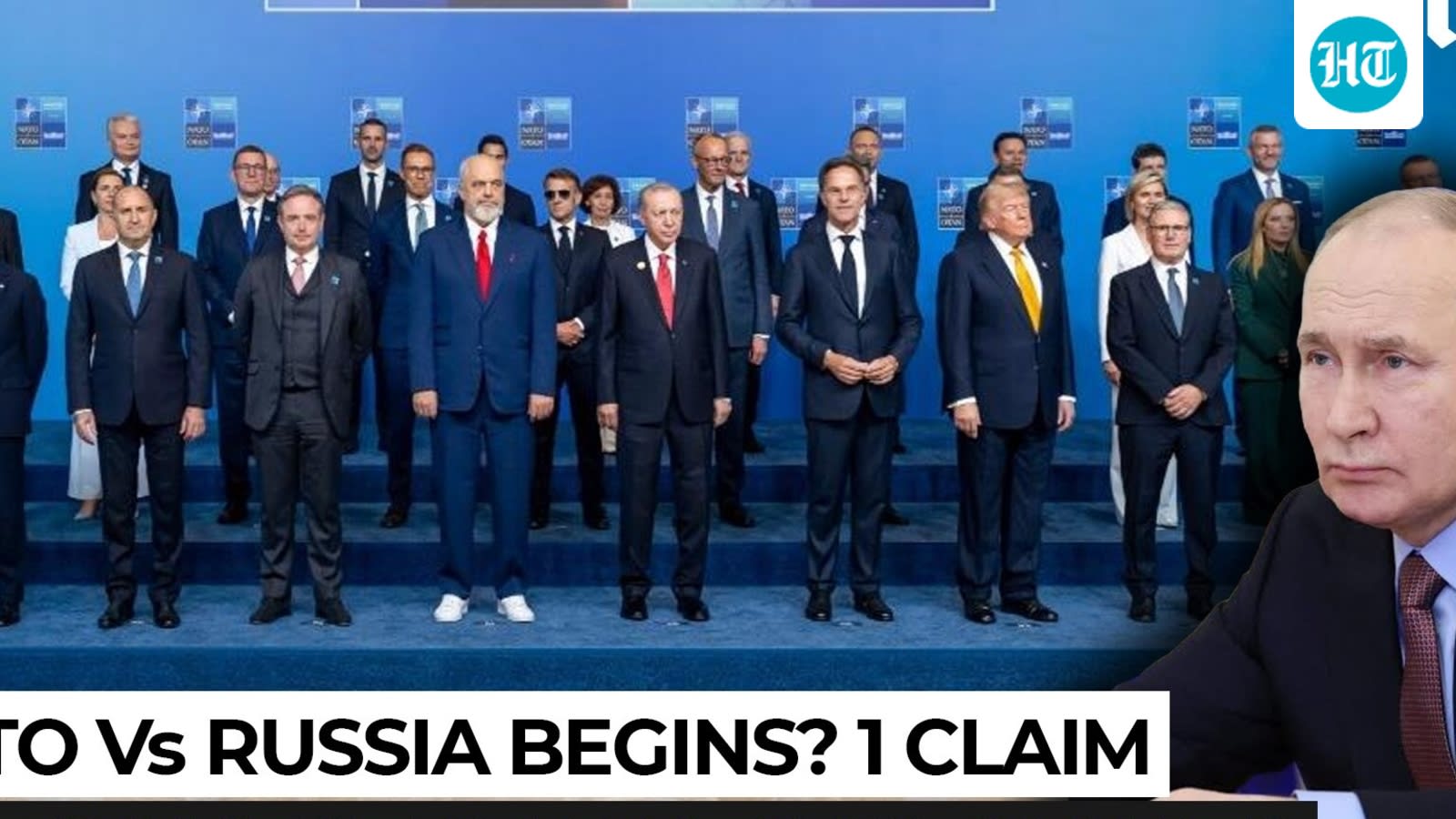
Tensions between Germany and Russia have spiked following a failed drone attack on Leipzig airport, which Berlin and NATO officials have attributed to Moscow. In retaliation, Germany is closing Russia's Bonn consulate, prompting threats of a diplomatic response from the Kremlin.
The Leipzig Incident: A New Front in Russia-West Tensions
A fresh diplomatic crisis has emerged between Germany and Russia following a failed drone attack at Leipzig/Halle airport on August 4. The incident, involving a drone carrying explosives aimed at a cargo plane, has been explicitly linked by German authorities to Russian operations. This development represents a significant departure from conventional proxy conflicts, bringing the kinetic threat of sabotage directly onto European Union soil.
Diplomatic Retaliation and Consular Closures
In response to the perceived sabotage attempt, the German government has taken the decisive step of ordering the closure of Russia’s consulate in Bonn. This move is a sharp escalation in the diplomatic war, signaling that Berlin is no longer willing to maintain standard diplomatic protocols with a nation it accuses of orchestrating direct attacks on its critical infrastructure. Moscow has responded by summoning the German ambassador, framing the expulsion as a hostile act and threatening a reciprocal response, which historically involves the expulsion of German diplomats or the closure of German facilities within Russia.
The NATO and EU Collective Response
The situation has rapidly transitioned from a bilateral dispute into a broader confrontation involving the Western security architecture. NATO Secretary General Mark Rutte and European Commission President Ursula von der Leyen have both issued strong statements of solidarity with Germany. By characterizing the Leipzig incident as a "new escalation," European leadership is signaling a shift toward a more proactive defense posture. This unified front is designed to deter further Russian "recklessness" by demonstrating that an attack on one member state is viewed as a challenge to the entire alliance.
Analyzing Russian Recklessness
Western officials have increasingly described Russia's recent behavior as "reckless," suggesting a pattern of hybrid warfare that includes sabotage, cyberattacks, and GPS jamming across the continent. The Leipzig event serves as a focal point for these concerns, as it demonstrates a willingness to target civilian logistics hubs. This strategy appears intended to disrupt the flow of aid and trade while testing the threshold for a full-scale NATO response under Article 5.
Future Trends and Strategic Implications
As both sides trade accusations, the risk of miscalculation remains high. The "new normal" mentioned by EU leadership implies that the West is preparing for a sustained period of covert hostilities. Future trends likely include increased security monitoring at European transport hubs, tighter restrictions on Russian diplomatic personnel, and a more robust intelligence-sharing framework within the EU to preempt future sabotage attempts. The standoff underscores the fragility of European security and the persistent, evolving nature of Russia’s shadow war against Western interests.
Verification Required?