China's Stock Market Crashes 20%: 3 Reasons Why The Dragon Is Losing Its Fire
Source Entity
NDTV News Search Records Found 1000
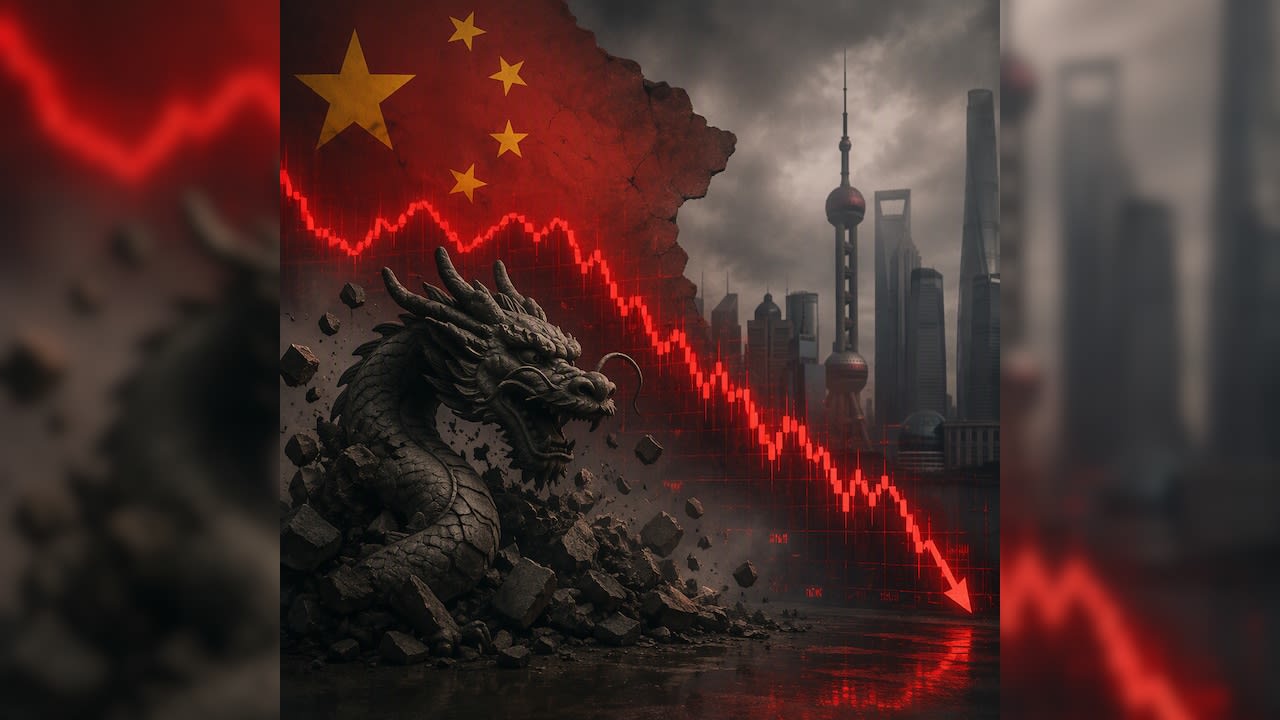
China's stock market has experienced a significant 20% decline, prompting state authorities to intervene. Officials are currently implementing measures to curb selling pressure and stabilize the financial landscape.
The Cooling of the Dragon: Analyzing China's Market Volatility
Recent reports indicate that China’s stock market has suffered a sharp 20% correction, a downturn that has drawn global attention to the structural stability of the world's second-largest economy. This significant decline represents a substantial erosion of investor confidence, signaling a shift in the market sentiment that has long defined China's rapid economic expansion. As the 'Dragon' faces these headwinds, the urgency of the situation has compelled state authorities to step in with active interventions to mitigate further systemic risk.
The Mechanism of State Intervention
In response to the rapid sell-off, Chinese authorities have moved to curb selling pressure and provide a floor for the plummeting indices. Such interventions typically involve a mix of regulatory restrictions on short-selling, guidance to state-backed institutional investors to purchase equity, and limitations on capital outflows. These measures highlight the unique nature of the Chinese market, where the state maintains a heavy hand in balancing market forces with the imperative of social and economic stability.
Broader Economic Implications
This market crash is not merely a localized financial event; it serves as a bellwether for China’s broader economic trajectory. Historically, periods of intense volatility in Chinese equities have often coincided with concerns over debt-to-GDP ratios, property sector fragility, and shifting consumer confidence. The current downturn reflects deep-seated anxieties regarding the sustainability of growth models that have relied heavily on state stimulus and infrastructure investment, now facing diminishing returns.
Historical Context and Structural Challenges
To understand the current crisis, one must look at the historical evolution of China’s capital markets. Unlike purely market-driven Western exchanges, Chinese equity markets have often been characterized by high retail participation and frequent interventions. When systemic shocks occur, the government’s priority is consistently to prevent a 'hard landing' that could threaten employment rates and social order. This persistent cycle of volatility and intervention creates a complex environment for both domestic and international institutional investors.
Future Trends and Market Outlook
Looking ahead, the effectiveness of the current measures remains a subject of intense debate among global analysts. While state intervention may provide a temporary respite, the long-term health of the market will likely depend on structural reforms that move beyond reactive support. Investors will be watching closely to see if the government can transition toward a more transparent, market-oriented mechanism that fosters organic growth rather than relying on periodic, corrective state action.
Conclusion
The 20% decline in the Chinese stock market serves as a stark reminder of the complexities inherent in managing a massive, state-directed economy. While current efforts to curb selling pressure aim to restore equilibrium, the underlying challenges—ranging from economic transition to regulatory oversight—remain. The world will be monitoring the efficacy of these interventions to determine if they are sufficient to reignite the 'fire' of China's economic engine or if deeper, more painful adjustments are on the horizon.
Verification Required?