‘Odyssey’ director Christopher Nolan calls AI an obvious ‘Trojan horse’
Source Entity
Anthony Ha
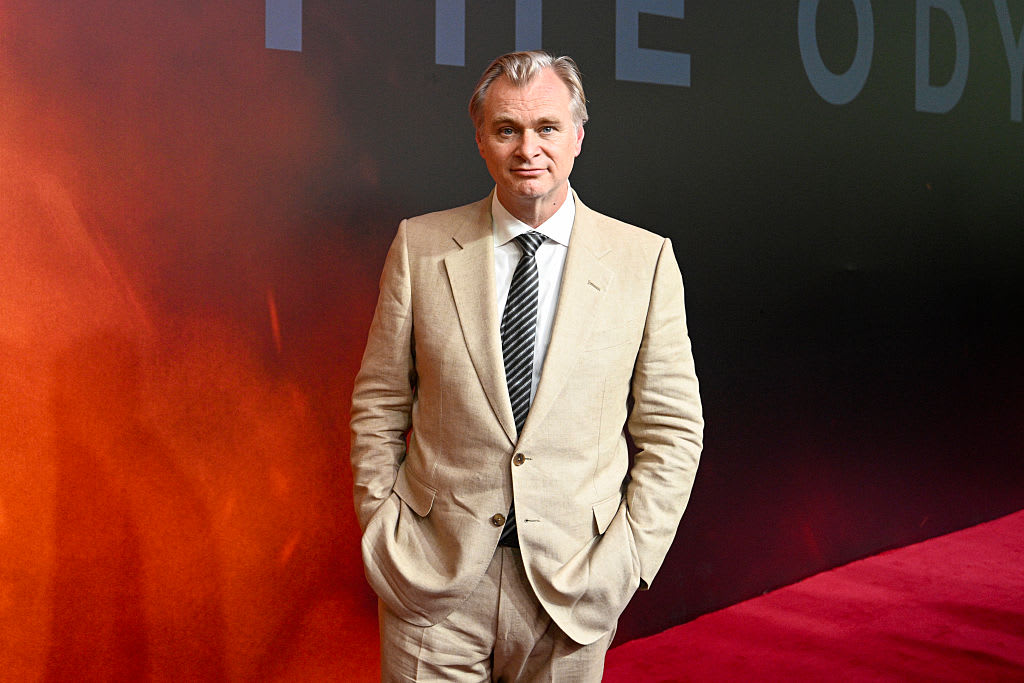
Director Christopher Nolan compares AI to a 'transparent' Trojan horse, arguing that its inherent risks are obvious to everyone. He expressed optimism regarding the rising skepticism toward AI, particularly among younger generations.
The Cinematic Warning: Christopher Nolan on the AI 'Trojan Horse'
In a recent high-profile interview with Hugo Travers (known as HugoDécrypte), Oscar-winning director Christopher Nolan utilized a powerful classical metaphor to articulate his concerns regarding the rise of artificial intelligence. Coming off the massive box office success of his new production, The Odyssey, Nolan leveraged the thematic elements of his film—specifically the legendary Trojan horse—to describe the current state of AI integration in modern society. By framing AI as a deceptive gift, Nolan suggests that while the technology is welcomed for its utility, it carries hidden, potentially destructive consequences.
The Metaphor of the Transparent Horse
During the discussion, Travers drew a parallel between the Greek strategy of concealing soldiers within a wooden horse and the way AI is introduced into daily life as a helpful tool that may eventually evolve into something "darker." Nolan expanded on this analogy with a poignant twist, describing AI not as a mysterious deception, but as a "transparent horse." By stating that "everybody knows the Greeks are inside," Nolan implies that the dangers of AI—such as the displacement of human creativity, the erosion of privacy, or the loss of authenticity—are not hidden secrets but are blatantly obvious to those paying attention.
Skepticism as a Form of Resistance
One of the most striking aspects of Nolan's commentary is his reaction to the public's apprehension toward AI. Rather than viewing fear as a sign of Luddism or a lack of progress, Nolan described the deep skepticism emerging from the public, and specifically from young people, as "pretty encouraging." This perspective suggests that the youth, who are often the earliest adopters of new technology, are developing a critical lens through which to view AI. For a filmmaker dedicated to the tactile and human elements of cinema, this resistance represents a vital defense of human agency and intellectual independence.
Broader Implications for Creative Industries
Nolan's stance reflects a broader tension within the entertainment industry, where the intersection of generative AI and artistic creation has become a flashpoint. By aligning the risks of AI with the themes of The Odyssey, Nolan connects the ancient struggle for survival and wit with the modern struggle to maintain human relevance in an automated age. His analysis suggests that the "gift" of AI-driven efficiency may come at the cost of the very human intuition and struggle that define great art, effectively inviting a "murderous" force into the creative process.
Future Trends: The Shift Toward Human-Centric Art
Looking ahead, Nolan's comments predict a growing cultural divide between those who embrace total AI integration and those who champion "human-made" authenticity. As the "transparent horse" becomes even more visible, it is likely that we will see a premium placed on works of art and cinema that explicitly reject AI assistance. This movement toward human-centric creation will likely be driven by the same skepticism Nolan finds encouraging in the youth, leading to a renaissance of traditional craftsmanship in storytelling.
Conclusion
Christopher Nolan's critique of artificial intelligence serves as a stark warning wrapped in a cinematic analogy. By characterizing AI as a Trojan horse with transparent walls, he asserts that the risks are clear and the deception is open. Through his encouragement of skepticism, Nolan advocates for a cautious, critical approach to technology, ensuring that the "Greeks" inside the machine do not dismantle the essence of human creativity.