The Odyssey: Christopher Nolan delivers a spectacle, hits a home run
Source Entity
Shalini Langer
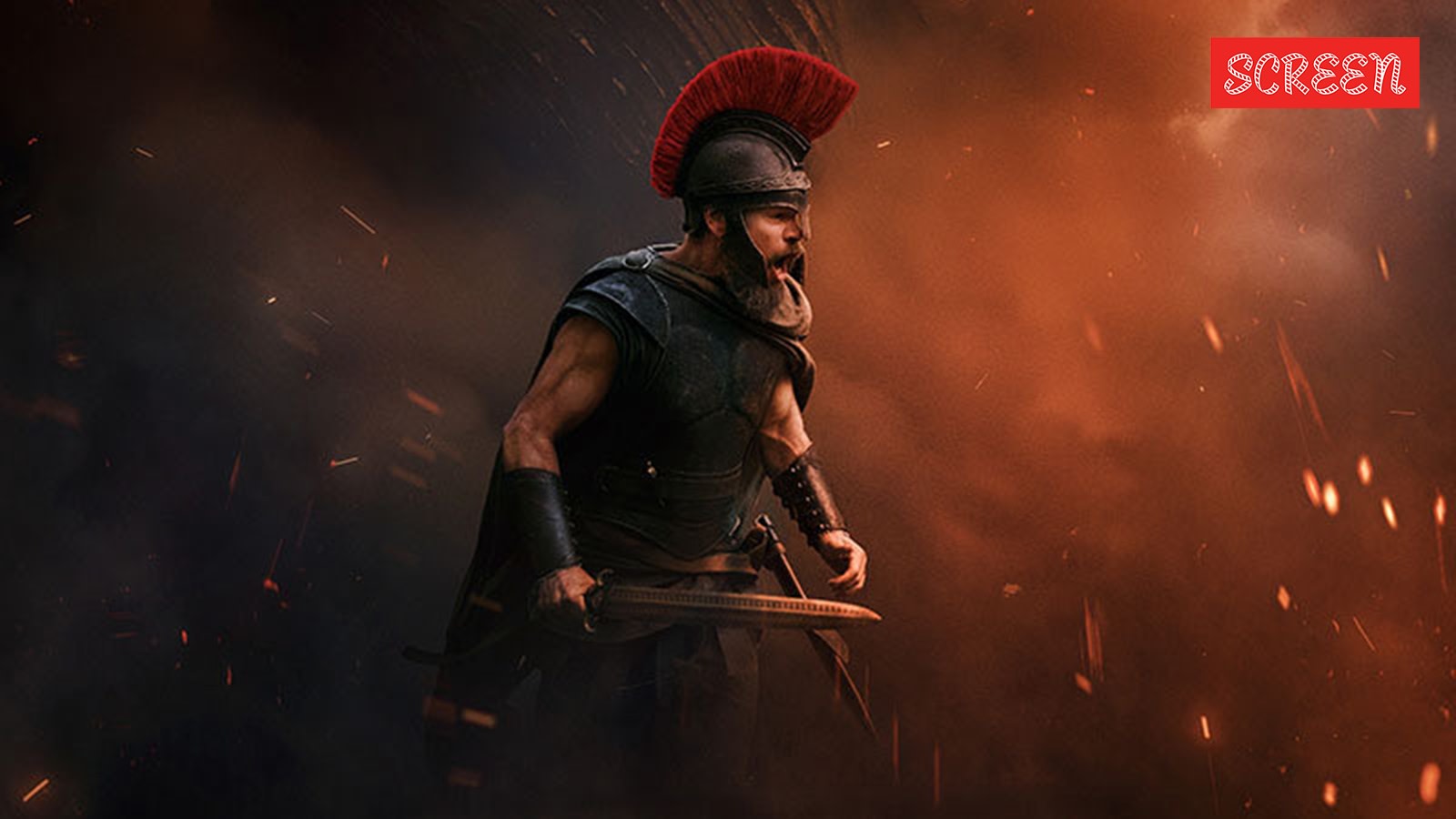
Christopher Nolan’s adaptation of Homer’s The Odyssey has garnered critical acclaim for its modern, gritty interpretation and technical ambition. The film has also drawn attention from Hollywood star Tom Cruise and filmmaker Farah Khan, highlighting its significant cultural impact.
A Modern Odyssey: Christopher Nolan’s Cinematic Reimagining
Christopher Nolan has once again pushed the boundaries of epic storytelling with his latest venture, The Odyssey. By adapting the late 8th or early 7th century BC epic—a work deeply rooted in ancient oral traditions—Nolan has brought a monumental narrative into the contemporary cinematic landscape. This project is not merely an adaptation but a deliberate re-contextualization, utilizing Emily Wilson’s groundbreaking translation as a foundational inspiration. By centering the film on the internal struggle of its protagonist, Nolan shifts the focus from the divine machinations of the original text to the weight of human guilt and free will.
Character Depth and Modern Sensibilities
One of the most striking departures in Nolan’s adaptation is the deliberate modernization of the dialogue and character motivations. While traditionalists might debate the inclusion of contemporary colloquialisms, these updates serve to humanize legendary figures. The portrayal of Odysseus, played by Matt Damon, eschews the purely cunning nature of the original epic in favor of a man defined by remorse and nobility. Furthermore, the film reinterprets the role of women, presenting them with a fiercely feminist lens that contrasts sharply with the patriarchal dynamics of ancient Greece, while reducing the gods to largely peripheral, albeit imposing, figures.
Technical Ambition and Visual Spectacle
With a reported budget of $250 million and a commitment to being shot entirely in IMAX, the film serves as a testament to Nolan’s dedication to the theatrical experience. Collaborating once again with cinematographer Hoyte van Hoytema, the duo creates a visual language that is both terrifying and tragic, particularly in the sequences involving Circe. This technical mastery ensures that the scale of the production matches the grandeur of the source material, effectively bridging the gap between ancient myth and modern blockbuster spectacle.
Cultural Resonance and Celebrity Endorsement
The film’s cultural footprint has been bolstered by high-profile endorsements, most notably from Hollywood superstar Tom Cruise. Cruise’s public declaration of support—praising the cast and crew for an “amazing” experience—underscores the film’s status as a must-see event. The subsequent social media interaction, featuring a humorous comment from filmmaker-choreographer Farah Khan, highlights the cross-cultural reach of Nolan’s work, proving that even a centuries-old Greek epic can spark global, lighthearted discourse in the digital age.
Broader Implications and Future Trends
Nolan’s The Odyssey signals a potential trend in Hollywood: the high-budget, auteur-driven reclamation of classical literature. By leaning into the raw, emotional core of these stories rather than relying solely on the spectacle of the supernatural, directors can find new ways to engage modern audiences. The comparison drawn between this film and other epic narratives, such as the Ramayana, suggests that audiences are increasingly interested in universal themes of heroism, exile, and homecoming, regardless of their cultural origin.
Conclusion
Ultimately, while Nolan’s The Odyssey may not strictly adhere to the traditional Homerian mold, it succeeds as a profound cinematic achievement. By balancing the massive scale of an IMAX production with the intimate, often painful, interiority of its characters, Nolan has delivered a work that feels both ancient and urgently relevant. As it continues to generate conversation among fans and peers alike, the film solidifies its place as a cornerstone of modern epic filmmaking.