Review: Yes, we're still arguing about Nolan's The Odyssey
Source Entity
Jennifer Ouellette
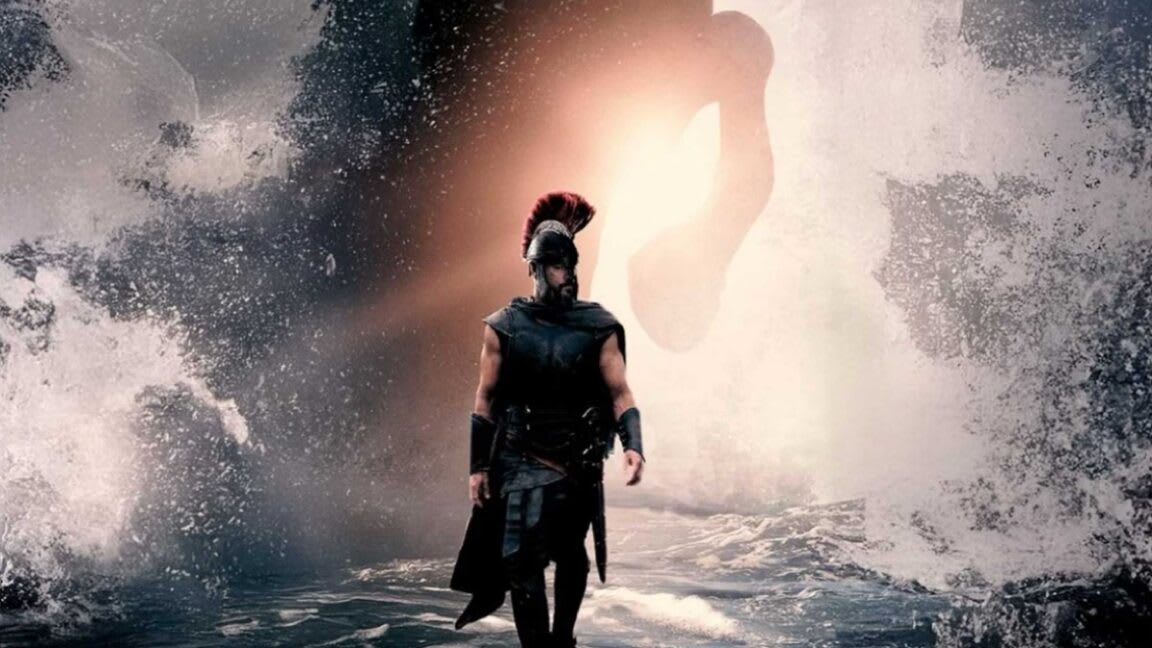
Christopher Nolan's adaptation of Homer's The Odyssey continues to spark intense debate among critics and audiences. While praised for its intimate scale and visual power, the film challenges traditional interpretations of the ancient epic.
The Cinematic Reimagining of an Ancient Myth
Christopher Nolan’s The Odyssey has emerged as one of the most polarizing films in recent memory, functioning as a lightning rod for cultural debate since its initial production phases. By attempting to adapt an epic poem that has served as a cornerstone of Western literature since the 8th century BCE, Nolan invited immediate scrutiny from both academic classicists and the general movie-going public. The controversy, which began with early casting and design reveals, has only intensified following the film's theatrical release, proving that ancient stories remain deeply embedded in the modern consciousness.
Balancing Scale with Intimacy
One of the most striking elements of the production is the juxtaposition between its massive IMAX scale and the director's choice to prioritize an intimate narrative lens. Nolan avoids the traditional trap of focusing solely on the grandiosity of the sea-faring journey. Instead, he crafts a nearly three-hour cinematic experience that seeks to find the man behind the myth. This stylistic decision has become the primary battleground for critics, as some argue the intimacy undermines the legendary status of the source material, while others contend it is the only way to make the story relatable to contemporary audiences.
The Impact of Visual Storytelling
Beyond the narrative structure, the film’s visual language plays a critical role in its reception. The powerful imagery utilized throughout the runtime acts as a lingering force, resonating with viewers long after they exit the theater. Even those who find the film’s narrative choices questionable often concede that the technical execution is a masterclass in modern filmmaking. This visual impact is essential to Nolan's goal of humanizing Odysseus, allowing the audience to witness the emotional toll of his decade-long journey rather than just the tactical maneuvers of his travels.
A Shift in Character Perspective
Perhaps the most significant contribution of this adaptation is the fresh perspective it offers on Odysseus himself. By stripping away some of the more hyperbolic elements of the original poem, the film forces the viewer to confront the protagonist as a flawed, complex individual. This departure from the archetypal hero figure is what keeps the debates raging; by challenging the established canon of how Odysseus should be portrayed, Nolan has successfully forced a re-evaluation of a three-millennium-old character.
Future Implications for Literary Adaptations
The ongoing arguments surrounding The Odyssey highlight a broader trend in Hollywood: the struggle to balance historical fidelity with artistic innovation. As studios continue to mine classical literature for blockbuster content, the tension between 'classicists' who demand adherence to original texts and filmmakers who seek to 'remix' these stories for new generations will likely persist. This film serves as a case study for the risks and rewards of such an approach, demonstrating that while box office success and accolades are attainable, the price is often a perpetual state of public debate regarding the sanctity of the source material.