US intelligence agencies CIA and ODNI hit by cybersecurity breach, unclassified data exposed: Report
Source Entity
Latest News: Todays Latest News Headlines from India & World | Hindustan Times
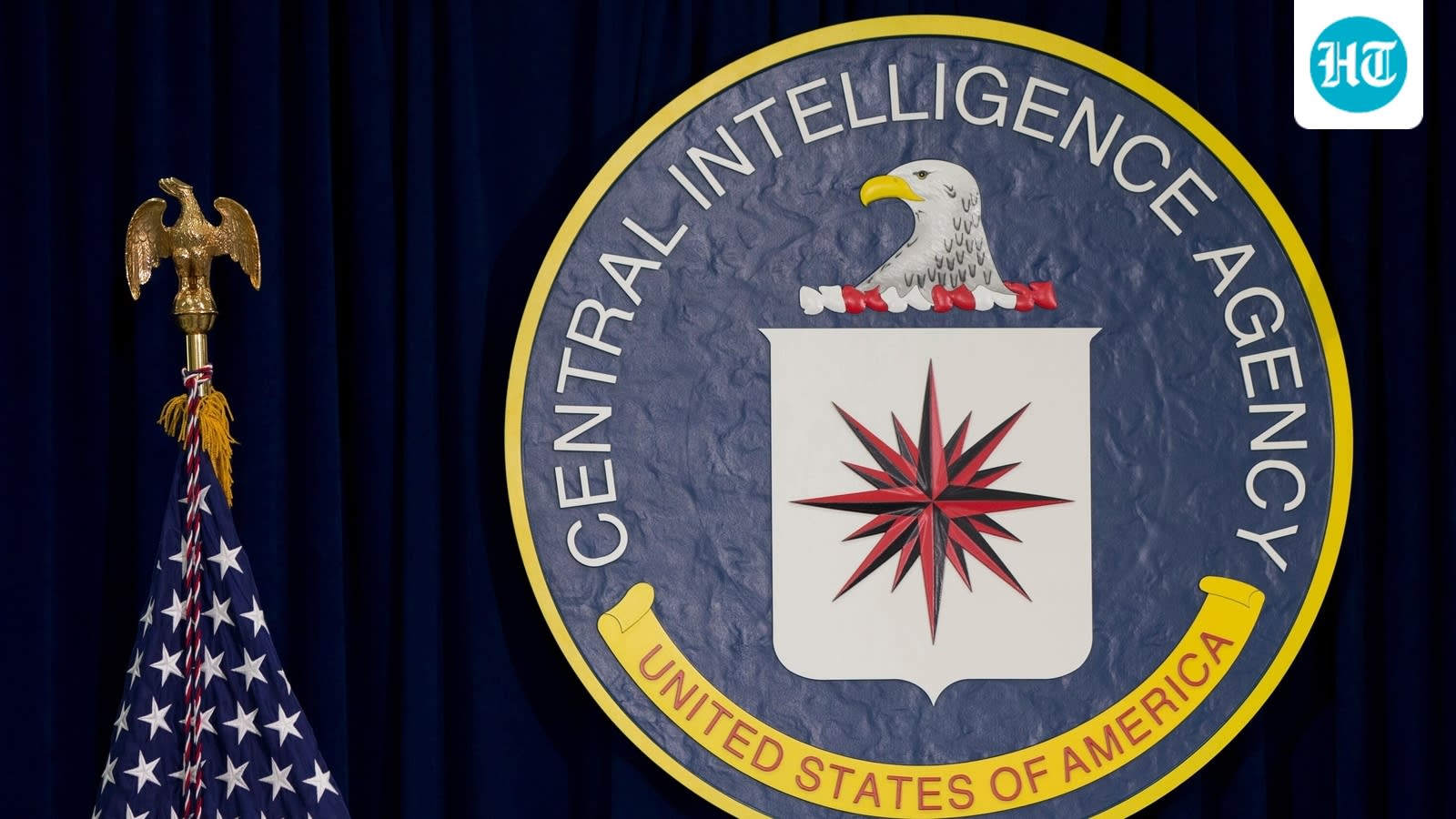
A cybersecurity breach has impacted an unclassified intelligence network shared by the CIA, ODNI, and the National Geospatial-Intelligence Agency. While officials confirmed the system handles open-source data, they insist that no classified materials were compromised in the intrusion.
Analysis of the Recent Cybersecurity Intrusion into US Intelligence Networks
The Scope of the Intrusion
Recent reports indicate that a significant cybersecurity breach has targeted the United States intelligence community, specifically impacting networks used for open-source intelligence (OSINT). The intrusion affected the Central Intelligence Agency (CIA), the Office of the Director of National Intelligence (ODNI), and the National Geospatial-Intelligence Agency. While the breach involved sensitive infrastructure, officials have clarified that the impacted systems were restricted to the processing of unclassified, publicly available data, such as social media content, internet databases, and commercial satellite imagery.
Understanding the OSINT Infrastructure
Open-source intelligence represents a critical pillar of modern national security strategy. By synthesizing publicly available information, intelligence agencies can map global trends, track geopolitical shifts, and identify emerging threats without relying on covert human or signal intelligence. The fact that this specific network was the primary target suggests an adversary interest in understanding how the US government aggregates and interprets public data. Because this system acts as a central hub for various agencies, its vulnerability highlights the challenges of securing inter-agency data pipelines.
Geopolitical Implications and Suspected Actors
While official attribution is often a lengthy and cautious process, preliminary reports have pointed toward potential Chinese links. This suspicion aligns with a broader pattern of state-sponsored cyber-espionage campaigns that seek to gain strategic advantages by infiltrating US government networks. The timing of this incident is particularly noteworthy, occurring shortly after a prolonged outage within the National Security Agency’s (NSA) internal classified communications network. Whether these events are connected remains a subject of intense investigation, but they collectively underscore a period of heightened systemic pressure on US intelligence digital infrastructure.
Risk Assessment and Data Exposure
Despite the alarm surrounding a breach of intelligence agency systems, the distinction between classified and unclassified networks is paramount. The current consensus from sources familiar with the matter is that no classified intelligence was accessed during the incident. However, even the exposure of unclassified OSINT data can be problematic. Adversaries could potentially identify which public sources the US government prioritizes or uncover the analytical methodologies used to interpret open-source material, allowing them to better obfuscate their activities in the future.
Future Trends in Intelligence Cybersecurity
This incident serves as a stark reminder of the evolving threat landscape in the digital age. As intelligence agencies become increasingly reliant on big data and commercial databases to maintain situational awareness, the attack surface for state-sponsored actors grows exponentially. We can expect future policy shifts to focus on 'zero-trust' architectures even within unclassified systems, as well as increased scrutiny on the supply chain security of the commercial databases that feed into these intelligence networks.
Concluding Summary
While the breach was limited to unclassified systems and has reportedly been resolved, the incident remains a significant security milestone. It highlights the vulnerability of the intelligence community's open-source workflows and the persistent interest of foreign entities in US data-gathering techniques. Moving forward, the focus will likely remain on enhancing the resilience of these shared networks against sophisticated state-level actors.
Multiple Citing Sources
Verification Required?