Etsy clarifies AI terms after seller backlash
Source Entity
Cyrus Farivar
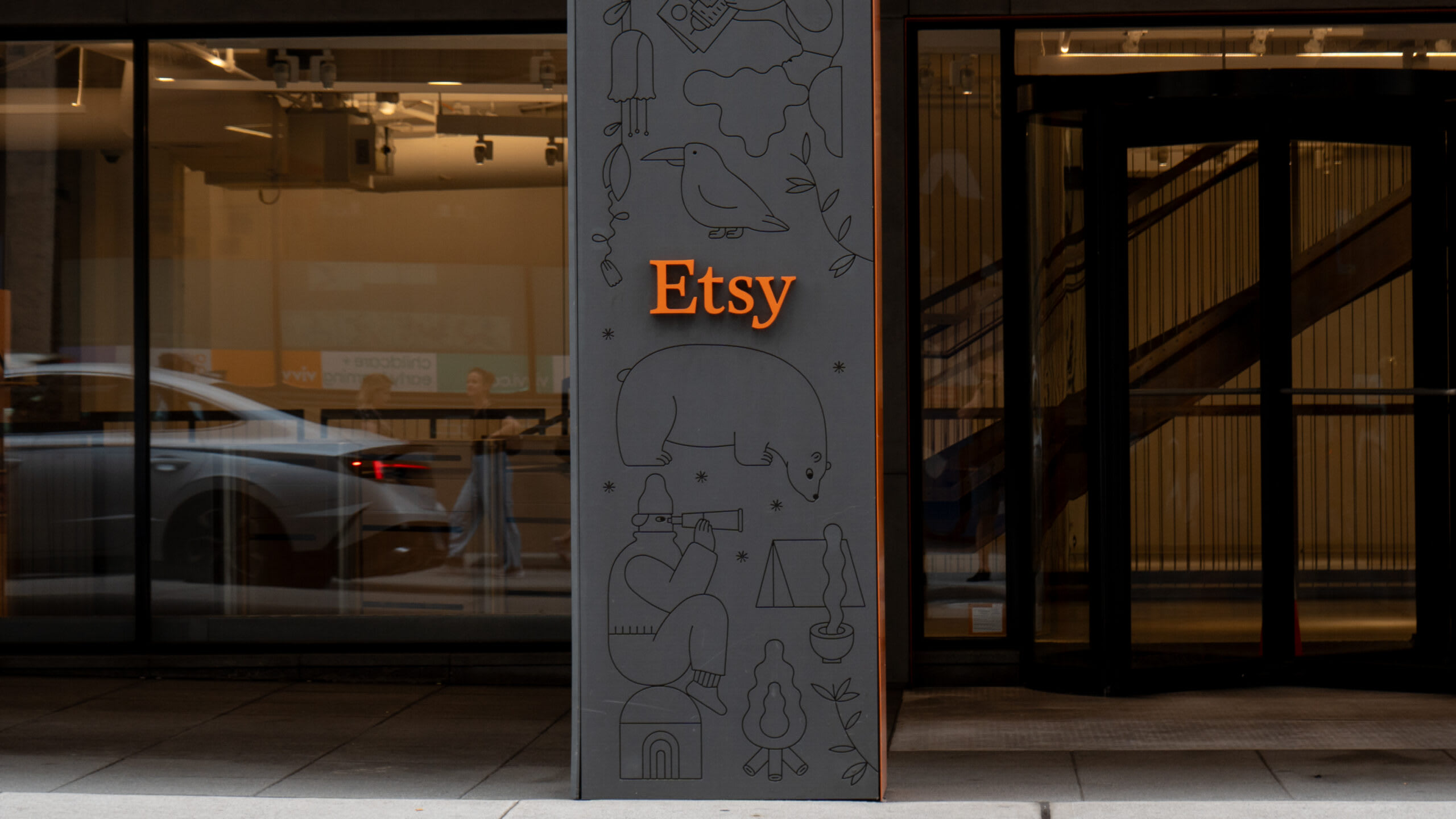
Etsy CEO Kruti Patel Goyal has clarified the platform's AI policy following significant backlash from sellers concerned about potential intellectual property theft. The company explicitly denied using user artwork to train AI models for generating copycat products.
Etsy Confronts Seller Backlash Over AI Policy Revisions
The Controversy Unfolds
Etsy, the global marketplace known for its emphasis on handmade and unique goods, recently found itself at the center of a heated debate regarding its updated terms of service. The platform faced intense scrutiny after users perceived that new language in the policy might permit the company to train artificial intelligence models on the creative output of its sellers. This perceived threat to intellectual property rights triggered immediate and widespread concern among the artisan community, who rely on the platform as their primary source of income.
Leadership Response and Clarification
In an effort to mitigate the growing frustration, Etsy CEO Kruti Patel Goyal issued a formal statement on Monday. Goyal acknowledged a failure in communication, admitting that the company “should’ve given you more context” regarding the implications of the policy updates. Her statement served as a direct attempt to reassure the community that the primary goal of the policy update was to integrate better internal tools and improve user experience, rather than to exploit seller data for generative AI training purposes.
Protecting Creative Integrity
At the heart of the controversy is the fear of "copycat" production. The rapid advancement of generative AI has created a climate of anxiety for artists, who worry that their unique styles could be mimicked by algorithms. Goyal explicitly addressed this by stating, "It was not meant to enable us to train AI models for the purpose of creating copycats of your items. We do not and will not do that." This explicit denial is a critical step in preserving the platform’s brand identity as a hub for human-made craftsmanship.
The Skepticism of the Artisan Community
Despite the CEO’s assurances, the trust gap remains significant. Veteran professional illustrator and longtime Etsy seller Aaron Meshon characterized the company's revisions as mere "sugar coating." This reaction highlights a broader trend in the tech industry: creators are becoming increasingly wary of how platforms utilize their data. For many sellers, the damage to their perception of the platform may be difficult to repair, regardless of the official policy language.
Broader Implications and Future Trends
This incident underscores the growing tension between tech-forward business strategies and the protection of individual creative labor. As marketplaces continue to integrate AI to improve search algorithms and customer recommendations, they must navigate the ethical minefield of data usage. Moving forward, Etsy will likely face increased pressure to be hyper-transparent regarding its technical infrastructure. The company’s ability to retain its seller base now depends on its commitment to enforcing these new, clearer standards against the backdrop of an increasingly skeptical creative economy.