Circular unveils Ring 3 series with contactless payments and on-finger vibration alerts
Source Entity
Aisha Malik
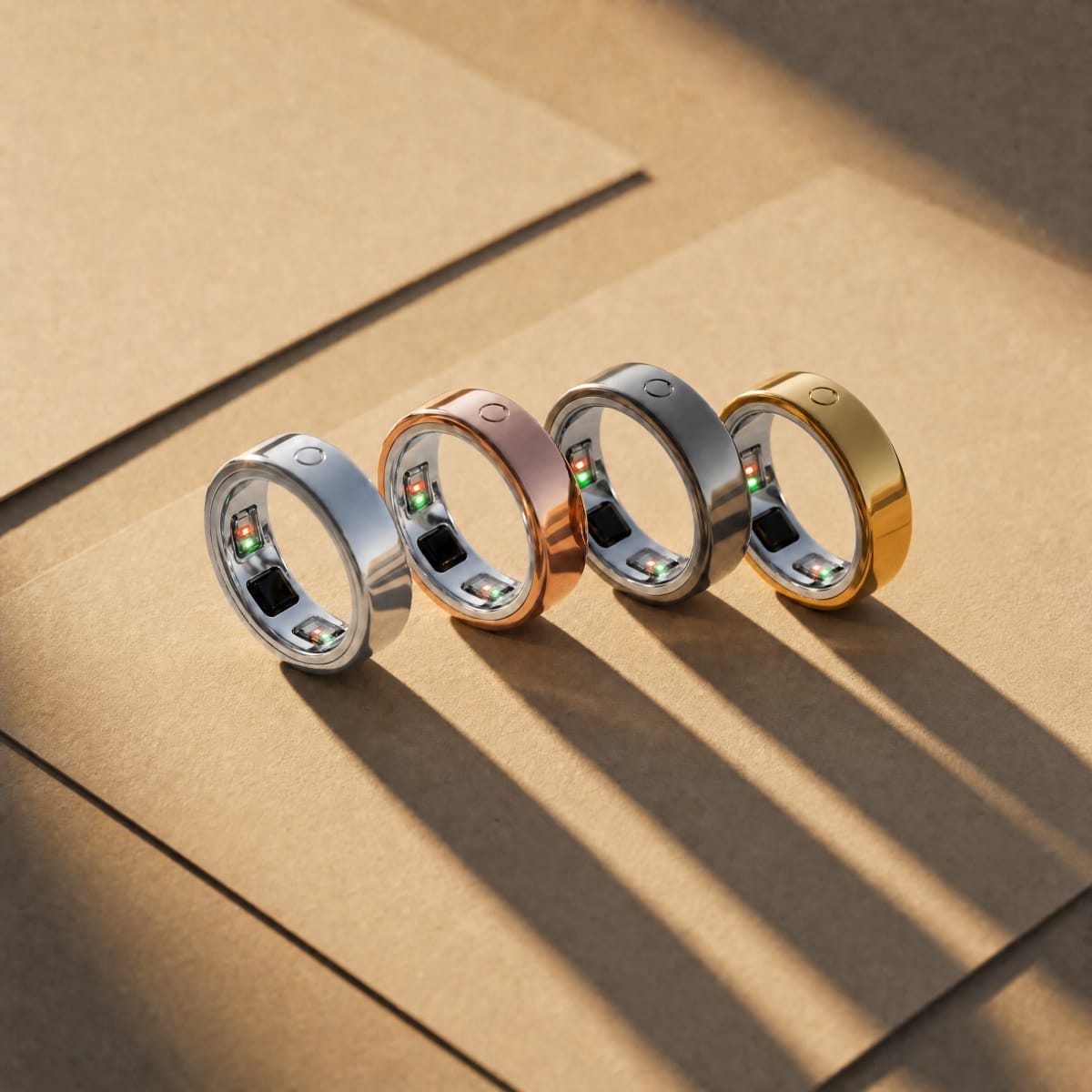
Circular has launched its Ring 3 series featuring contactless payments, haptic alerts, and advanced health tracking. Simultaneously, competitor Ultrahuman raised $70 million to integrate Qualcomm processors into future rings, signaling a shift toward more powerful, computer-like wearables.
The Evolution of Smart Rings: Circular and Ultrahuman Lead the Charge
The wearable technology landscape is witnessing a significant shift as smart rings evolve from simple biometric trackers into sophisticated, multi-functional devices. Circular has officially announced its new Ring 3 series, which introduces two distinct tiers: the feature-rich Pro model and the more streamlined Slim option. By integrating NFC chips for contactless payments and haptic feedback for alerts, Circular is positioning the ring as a primary interface for daily convenience rather than just a health-monitoring accessory.
Advanced Health Features and Hardware Refinements
The Circular Ring 3 Pro represents a notable hardware upgrade, boasting a slimmer profile while expanding its diagnostic capabilities. Key to its value proposition is the inclusion of FDA-cleared ECG functionality for atrial fibrillation detection, alongside blood pressure trend tracking and glucose monitoring. These features, coupled with an impressive leap in battery life—now reaching up to 12 days compared to the seven days of its predecessor—underscore the industry's push to minimize charging friction, a common pain point for wearable users.
Diversification of Wearable Form Factors
Circular’s strategy to offer a Slim variant alongside the Pro model highlights an industry-wide recognition that users have varying priorities regarding comfort and functionality. While the Pro model targets users demanding comprehensive medical-grade insights, the Slim version focuses on the essentials, such as heart rate variability (HRV), SpO2, and skin temperature. This segmentation allows manufacturers to capture a wider demographic, appealing to both health enthusiasts and those who prefer a less intrusive, lightweight wearable.
The Shift Toward 'Smart Rings as Computers'
Simultaneously, the broader smart ring market is receiving a massive capital injection, as evidenced by Bengaluru-based Ultrahuman raising $70 million in a funding round backed by Qualcomm Ventures. This investment is particularly significant because it signals a strategic pivot: moving away from purely passive health tracking toward active computing. Ultrahuman aims to utilize Qualcomm technology to run software directly on the device, potentially enabling AI-driven interactions and gaming capabilities.
Future Trends and Market Implications
As these devices adopt more powerful processors, the line between a fitness tracker and a wearable computer will continue to blur. The combination of contactless payment integration, as seen in the Circular Ring 3 series, and the promise of on-device processing from players like Ultrahuman, suggests that the smart ring is evolving into a central hub for the Internet of Things (IoT).
Conclusion
The simultaneous advancement of Circular’s feature-rich product line and the influx of venture capital into companies like Ultrahuman confirms that the smart ring market is entering a period of rapid maturation. With manufacturers successfully balancing miniaturized form factors with increasingly complex sensor suites and payment capabilities, the next generation of wearables promises to be more integrated into the daily digital infrastructure of the consumer than ever before.