The US government warns that Russia state hackers are coming after your router
Source Entity
Dan Goodin
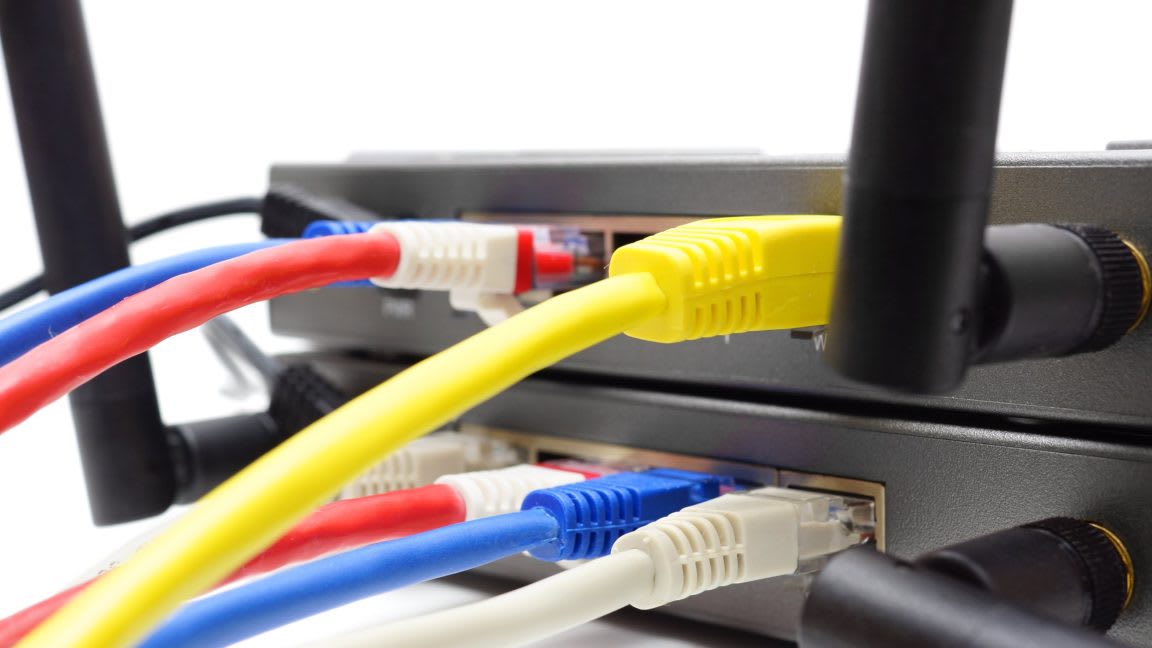
With residential proxies all the rage, CISA urges router users to be vigilant.
US Government Issues Urgent Warning Over Russian State-Sponsored Router Attacks
In a significant alert to the public, the Cybersecurity and Infrastructure Security Agency (CISA) has warned that state-sponsored hackers from Russia are actively targeting home and small-office routers. This campaign is not merely aimed at stealing personal data from individual users but is instead focused on a more strategic objective: the creation of vast "residential proxy" networks. By compromising these edge devices, adversaries can route their malicious traffic through legitimate home internet connections, making their activities appear as though they are originating from ordinary citizens rather than foreign intelligence agencies.
The Strategic Use of Residential Proxies
To understand the gravity of this threat, one must understand the concept of a residential proxy. Most high-security networks and government systems employ "geo-fencing" or IP reputation filtering to block traffic from known hostile regions or data centers. When Russian state actors use their own infrastructure, they are easily flagged and blocked. However, by hijacking a home router in the United States or Europe, the attacker can "tunnel" their traffic through that router. To the target of the attack, the traffic appears to be coming from a standard residential ISP, which is far less likely to be blocked, thereby allowing the hackers to bypass critical security perimeters with ease.
Why Home Routers are Primary Targets
Home routers are often the weakest link in the cybersecurity chain. Unlike enterprise-grade hardware, consumer routers frequently ship with default passwords, outdated firmware, and minimal security logging. Russian state actors exploit these vulnerabilities—often through known bugs that manufacturers have failed to patch or that users have ignored—to gain administrative access. Once a router is compromised, the attacker can install persistent malware that survives reboots, effectively turning the device into a permanent node in a global botnet used for espionage and reconnaissance.
Broader Geopolitical Implications
This trend reflects a broader shift in Russian cyber doctrine, moving away from loud, disruptive attacks toward stealthy, long-term persistence. By building a distributed infrastructure of compromised residential devices, Russian intelligence agencies can conduct long-term surveillance and launch targeted attacks against government agencies, critical infrastructure, and corporate entities while remaining virtually invisible. This approach minimizes the risk of attribution and complicates the efforts of forensic analysts who must now sift through millions of legitimate home IP addresses to find a single malicious actor.
Predicting Future Trends in Edge Computing Security
As the "Internet of Things" (IoT) continues to expand, the attack surface for state actors will only grow. We can expect a rise in "edge-device warfare," where the battle for network control happens not at the server level, but at the router and gateway level. Future threats will likely involve more sophisticated AI-driven malware that can automatically identify and exploit zero-day vulnerabilities in router firmware across different brands simultaneously. The reliance on home-based infrastructure for remote work has only accelerated this trend, making the home router a high-value target for geopolitical espionage.
Conclusion and Mitigation Strategies
The warning from CISA serves as a critical reminder that no device is too small to be a target in the realm of state-sponsored cyber warfare. To mitigate these risks, users must prioritize basic security hygiene: changing default administrative passwords, disabling remote management features, and ensuring that firmware is updated immediately upon release. While the scale of state-sponsored attacks is daunting, reducing the number of "low-hanging fruit" devices available for proxy networks can significantly degrade the effectiveness of these foreign intelligence operations.