CJI reiterates: Cockroach remarks only for fake law degree holders, not all youth
Source Entity
Ananthakrishnan G
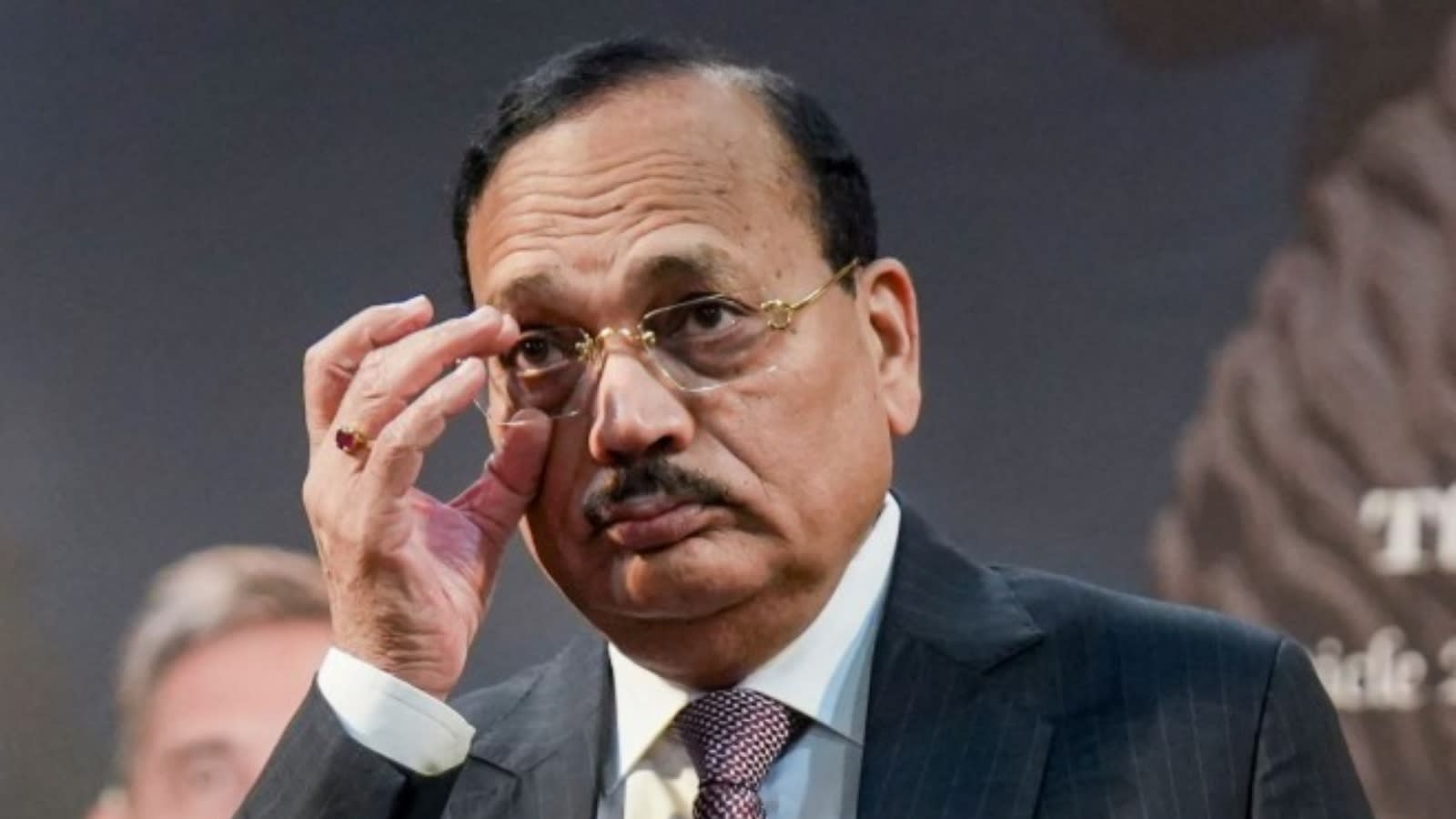
Chief Justice of India Surya Kant has clarified that his 'cockroach' remarks were directed solely at individuals holding fake law degrees, not unemployed youth. Despite this, activist Abhijeet Dipke has utilized the controversy to launch the 'Cockroach Janta Party,' turning the derogatory label into a symbol of political protest.
The Context of the Controversy
The recent discourse surrounding Chief Justice of India (CJI) Surya Kant stems from a May 15 Supreme Court hearing concerning the designation of Senior Advocates. During the proceedings, the CJI utilized the terms "cockroaches" and "parasites" while discussing individuals within the legal profession. This comment immediately sparked a firestorm of debate, leading to widespread public outcry and accusations that the judiciary was disparaging the nation's unemployed youth.
The CJI's Clarification
In a recent statement, CJI Surya Kant explicitly clarified that his remarks were never intended as a blanket condemnation of the country's youth. Instead, he emphasized that the language was directed specifically at those who have gained entry into the legal profession using fraudulent or "fake" degrees. The CJI noted that this issue had been previously flagged by the Bar Council of India, and his comments were part of a broader judicial effort to "clean up" the profession from those who entered through the "backdoor."
Emergence of the 'Cockroach Janta Party'
Despite the judicial clarification, the remark became a viral catalyst for political mobilization. Abhijeet Dipke, the founder of the newly formed "Cockroach Janta Party," has adopted the derogatory label as a badge of honor. Dipke claims that the CJI’s comment served as the primary motivation for his return to India and the subsequent founding of his movement, effectively weaponizing the controversy to highlight the frustrations of the jobless youth demographic.
Broader Implications for Judicial Conduct
This incident highlights the delicate intersection between judicial scrutiny and public perception. While the Supreme Court is tasked with maintaining the integrity of the legal profession—a mandate that includes weeding out unqualified practitioners—the choice of metaphor has significant political consequences in an era of viral social media. The incident underscores how judicial observations, even those meant to address internal professional standards, can be recontextualized by political actors to address wider societal grievances regarding unemployment.
Historical Context and Future Trends
Historically, the Indian judiciary has frequently addressed the quality of legal education and the proliferation of substandard law degrees. The Bar Council of India has long struggled with regulating the influx of practitioners who may lack formal training. However, the transformation of a judicial remark into a political party name represents a modern shift in how public figures and citizens interact in the digital age. Moving forward, this event signals a trend where marginalized groups may increasingly adopt controversial labels used by authorities to create satirical or protest-driven political platforms.