‘Gen Z wants good opportunities, education, and infrastructure’: Dipke on Uttar Pradesh polls
Source Entity
Latest News: Todays Latest News Headlines from India & World | Hindustan Times
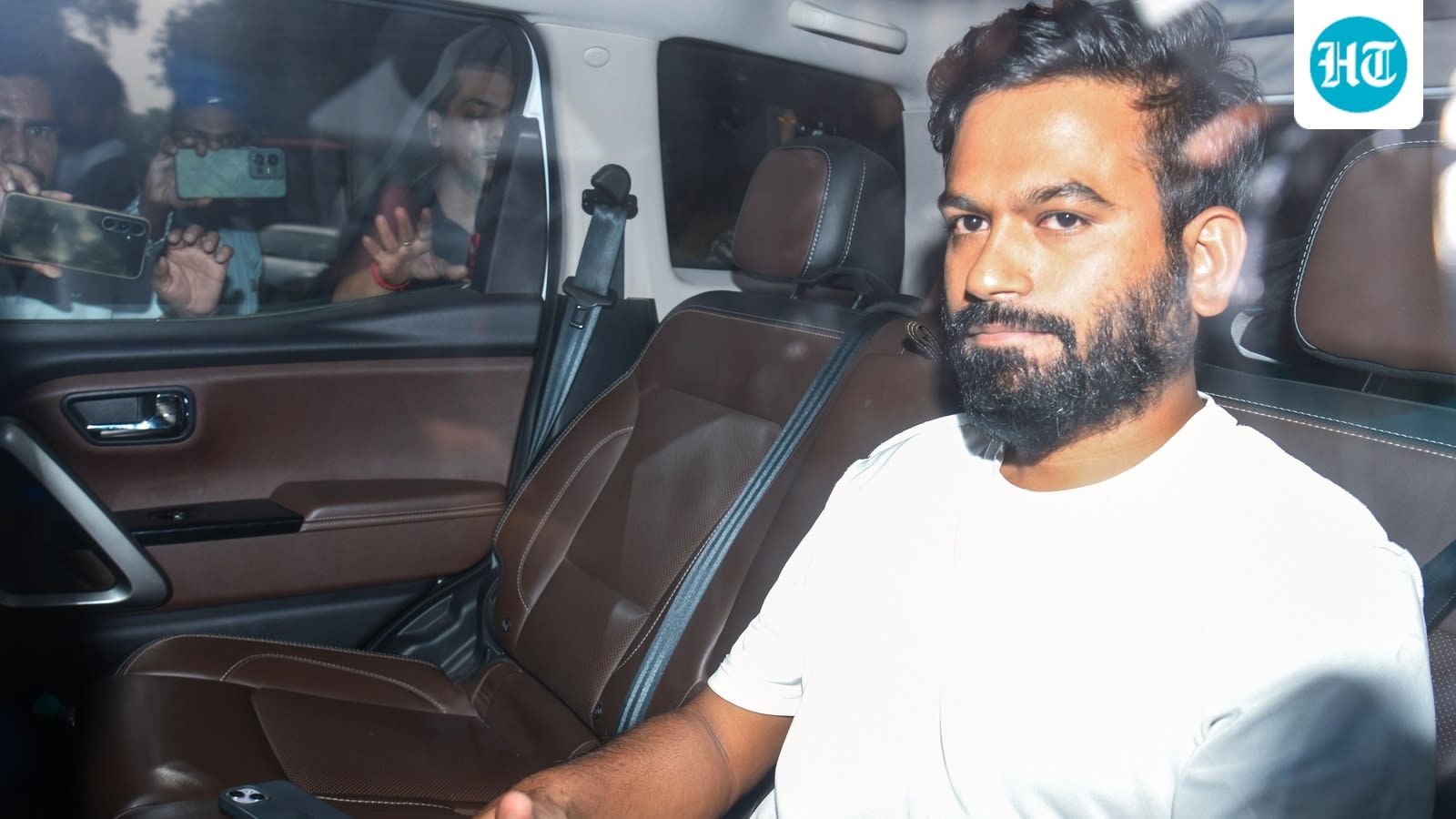
Cockroach Janta Party (CJP) founder Abhijeet Dipke has criticized Meta for alleged political censorship ahead of the Uttar Pradesh assembly elections. Dipke highlighted the youth's focus on infrastructure and education while asserting that his party will remain neutral in the upcoming polls.
The Intersection of Political Expression and Digital Censorship
In a recent press conference held in Nagpur, Abhijeet Dipke, the founder of the Cockroach Janta Party (CJP), launched a pointed critique against Meta and its platform, Instagram. Dipke alleged that the platform has engaged in widespread censorship, claiming that more than five million posts featuring political content were removed between January and June. To illustrate his point, Dipke utilized a performative protest, displaying a photograph of Prime Minister Narendra Modi and playing a 'Modi Chalisa' song, arguing that such content is permitted while other political discourse faces suppression.
The CJP’s Stance on Political Neutrality
Despite the provocative nature of his protest, Dipke emphasized that the Cockroach Janta Party intends to maintain a neutral stance regarding the upcoming Uttar Pradesh assembly elections. By distancing his organization from siding with any major political party, Dipke aims to position the CJP as an independent voice. His focus remains on broader socio-political concerns, specifically highlighting that the demographic of Generation Z is primarily driven by the need for enhanced educational opportunities and better infrastructure rather than traditional partisan allegiances.
Analyzing Digital Governance and Content Moderation
Dipke’s accusations regarding Meta’s moderation policies touch upon a growing concern in the digital age: the transparency of algorithmic content removal. The claim that five million political posts were removed underscores the tension between platforms’ responsibility to mitigate misinformation and the right to political expression. As India approaches significant electoral milestones, the role of social media as a primary arena for political debate becomes increasingly contested, with smaller parties often feeling disproportionately impacted by automated moderation tools.
Youth Demographics and Electoral Priorities
The emphasis Dipke places on 'Gen Z' priorities—education, infrastructure, and genuine economic opportunities—reflects a shift in the political landscape of Uttar Pradesh. As political parties scramble to capture the youth vote, the narrative around digital censorship serves as a proxy for a deeper struggle over who controls the digital public square. By framing his critique around the removal of political content, Dipke is attempting to tap into concerns about free speech that resonate with younger voters who are highly active on social media platforms.
Conclusion: The Road Ahead
As the Uttar Pradesh assembly elections loom, the intersection of digital platform policies and domestic political campaigning will likely remain a flashpoint. Abhijeet Dipke’s actions represent a tactical effort to draw attention to the CJP’s platform by leveraging the very platforms he critiques. Whether this strategy will influence the political discourse or merely serve as a commentary on the current state of digital censorship remains to be seen. Ultimately, the CJP’s insistence on addressing tangible issues like infrastructure suggests a strategic pivot toward substantive policy debate in a digital ecosystem perceived to be increasingly restrictive.
Verification Required?