Goa Police defend detention of seven CJP members before High Court, cite history of protests without permission
Source Entity
India Latest News: Top National Headlines Today & Breaking News | The Hindu
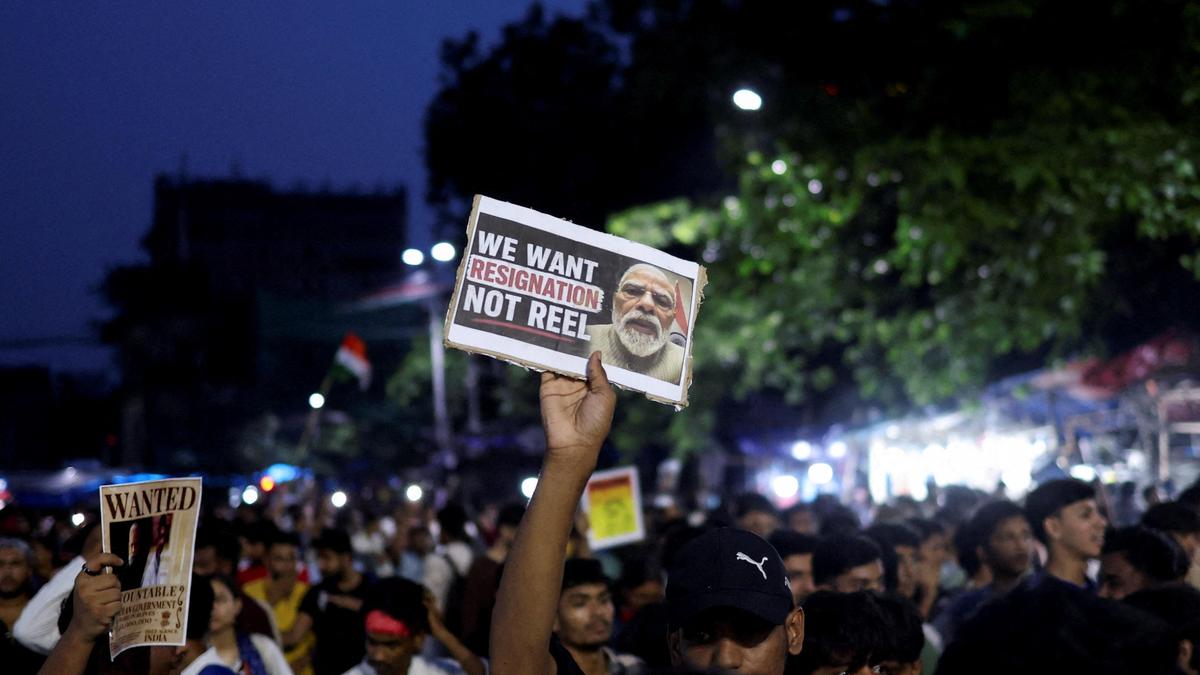
Delhi and Goa Police have taken legal action against Cockroach Janta Party (CJP) leaders for unauthorized protests and trespassing. The party faces FIRs in Delhi for breaching security at Jantar Mantar and legal challenges in the Bombay High Court regarding detentions in Goa.
Tensions Escalate: Cockroach Janta Party Faces Legal Scrutiny
Recent developments have placed the Cockroach Janta Party (CJP) at the center of a growing legal and political storm. In the national capital, Delhi Police have registered a First Information Report (FIR) against key CJP figures, including Saurav Das, Ashutosh Ranka, and Ajinkya Shinde. The charges stem from an unauthorized entry into Jantar Mantar, a site that has been heavily barricaded and restricted. The incident, which involved the leaders climbing locked gates, has been characterized by authorities as trespassing and a direct violation of a previously signed peace bond.
The Catalyst: Demands for Resignation
The protests in Delhi were primarily driven by the CJP’s demand for the resignation of Chief Election Commissioner Gyanesh Kumar. By attempting to reclaim the Jantar Mantar site—a historic hub for civil protest—the activists aimed to amplify their dissent against the Election Commission’s current leadership. The escalation of security at the Jaffarpur Kalan Police Station underscores the severity with which law enforcement is treating these demonstrations, viewing the breach of barricades not merely as civil disobedience, but as a potential threat to public order and institutional sanctity.
Legal Battles in Goa
Simultaneously, the CJP is embroiled in a significant legal challenge before the Goa Bench of the Bombay High Court. The Goa Police recently defended their detention of seven party members at Azad Maidan in Panaji, citing a pattern of behavior where the outfit allegedly organizes protests without obtaining necessary permissions. While the court ordered the release of the detainees, including Afreen Shaikh and Jack Sukhija, the ongoing hearing highlights a broader conflict between the state's regulatory powers under the Bharatiya Nagarik Suraksha Sanhita (BNSS) and the right of political outfits to assemble.
Regulatory Frameworks and Civil Liberties
The core of the legal dispute in Goa revolves around the application of Section 163 of the BNSS. The High Court has scrutinized whether proper orders were in place to prohibit gatherings at Azad Maidan. This judicial intervention serves as a critical check on police power, questioning the procedural validity of detentions. The CJP’s strategy of frequent, unpermitted protests suggests a deliberate attempt to challenge administrative restrictions, leading to a recurring cycle of detention and legal defense.
Broader Implications and Future Trends
These events signal a hardening stance by authorities against political groups that bypass traditional protest protocols. The use of FIRs and the invocation of peace bonds suggest that the state is shifting toward a more punitive approach to manage dissent. As the CJP continues to push against these boundaries, we can expect further judicial scrutiny regarding the limits of administrative restrictions on public assembly. The outcome of the upcoming October 19 hearing in the Bombay High Court will likely set a significant precedent for how future protests are managed in the region, balancing public safety concerns with the fundamental rights of political expression.
Verification Required?