12-hour internet shutdown ordered at Jantar Mantar amid protest against CEC Gyanesh Kumar
Source Entity
Latest News: Todays Latest News Headlines from India & World | Hindustan Times | Hindustan Times
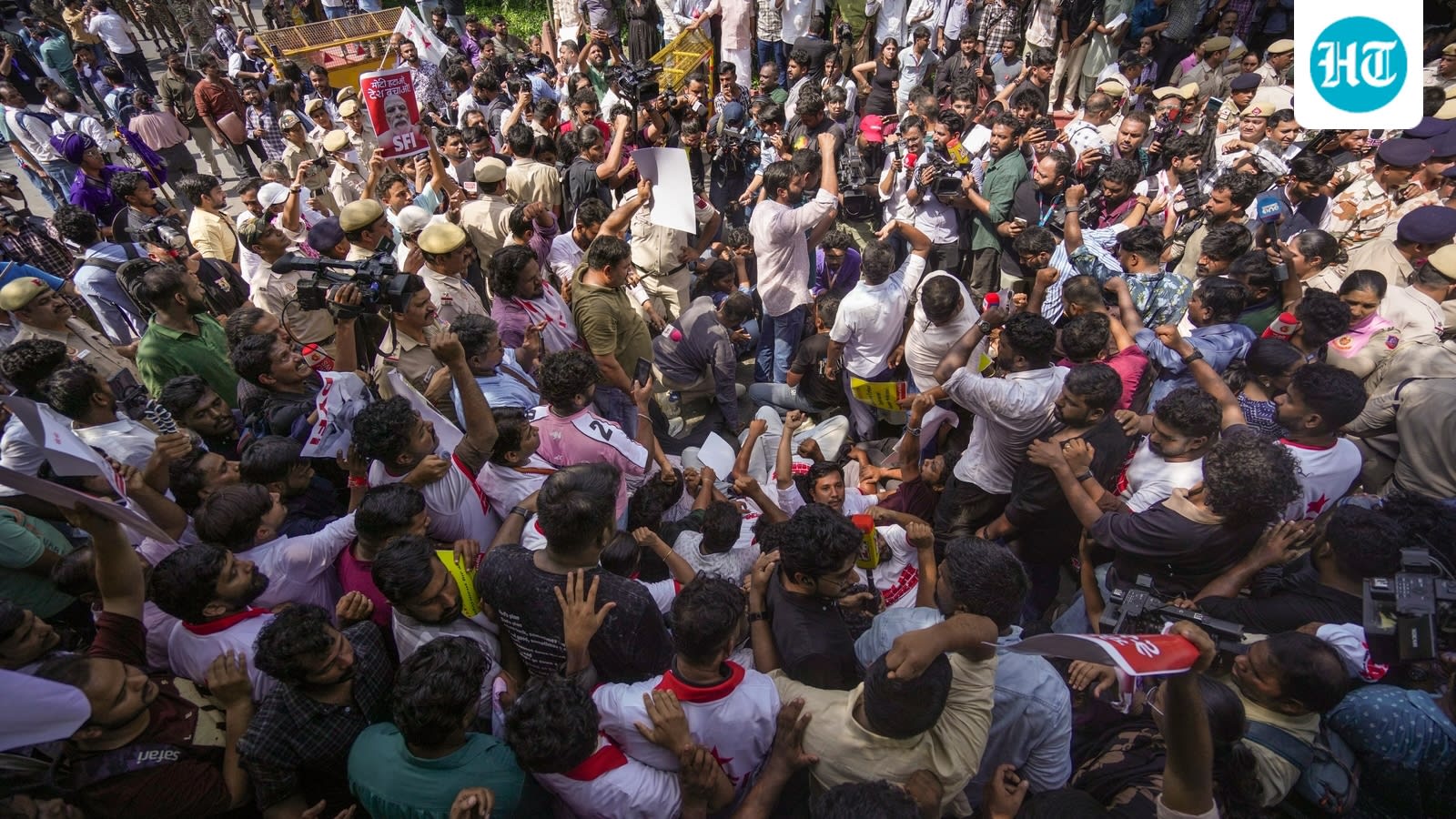
The Cockroach Janta Party (CJP), led by Abhijeet Dipke, has launched a nationwide protest demanding the resignation of CEC Gyanesh Kumar over alleged electoral roll irregularities. The movement, starting October 2, seeks electoral reforms and calls for criminal action against the commissioner.
CJP Launches Nationwide Agitation Over Election Commission Integrity
The Cockroach Janta Party (CJP), spearheaded by founder Abhijeet Dipke, has officially announced a nationwide protest campaign commencing on October 2, Gandhi Jayanti. The movement centers on allegations of irregularities within the electoral roll, specifically citing internal rifts within the Election Commission of India regarding Special Intensive Revision (SIR) voter deletions. By initiating a 'Jail Bharo Andolan' from Mumbai’s Shivaji Park, the organization aims to bring national attention to their grievances against Chief Election Commissioner (CEC) Gyanesh Kumar.
Core Demands and Allegations
At the heart of the CJP's agitation is the demand for the immediate resignation of CEC Gyanesh Kumar. The party has leveled serious accusations against the commissioner, labeling him a 'traitor' and alleging that his actions have compromised the neutrality of the electoral process. The CJP asserts that the current electoral rolls, which they claim have been subject to the deletion of millions of voters, must be frozen. Furthermore, they are calling for the institution of a transparent and independent appointment process for future Election Commissioners, explicitly requesting the inclusion of civil society members in the selection framework.
Escalation Strategy: From Mumbai to New Delhi
Abhijeet Dipke, alongside fellow leaders like Saurav Das, has outlined a clear expansion strategy for the protest. Following the initial demonstration in Mumbai, the agitation is scheduled to spread to major urban centers, including Goa, Bengaluru, and Kolkata, among others. This multi-city approach is designed to build momentum as the movement moves toward its final destination: a sit-in at Jantar Mantar in New Delhi. By targeting key political hubs, the CJP aims to force a dialogue on the integrity of the 2025 electoral rolls.
Political Implications and Rhetoric
The political stakes of this protest are heightened by the CJP's aggressive rhetoric directed at the highest levels of government. Dipke has explicitly challenged Chief Minister Fadnavis and linked the CEC’s performance to the political outcomes of Prime Minister Narendra Modi. By framing the CEC as a 'puppet' of the current administration, the CJP is attempting to shift the narrative from mere administrative error to systemic political bias, suggesting that the alleged deletions are part of a broader strategy to influence election results.
Future Trends and Institutional Challenges
The CJP’s movement highlights a growing trend of civil society groups scrutinizing the technical and administrative functions of India's constitutional bodies. The demand for criminal action against the CEC represents a significant escalation in how political movements engage with the Election Commission. As the protest progresses through October, the ability of the CJP to sustain public interest and navigate potential legal and administrative hurdles will be critical. The situation underscores a volatile period in Indian electoral discourse, where the intersection of data integrity and institutional trust remains a contentious battleground.
Multiple Citing Sources
Verification Required?