"No Protester Will Be Left Alone": CJP After Midnight Talks With Government
Source Entity
NDTV News Search Records Found 1000
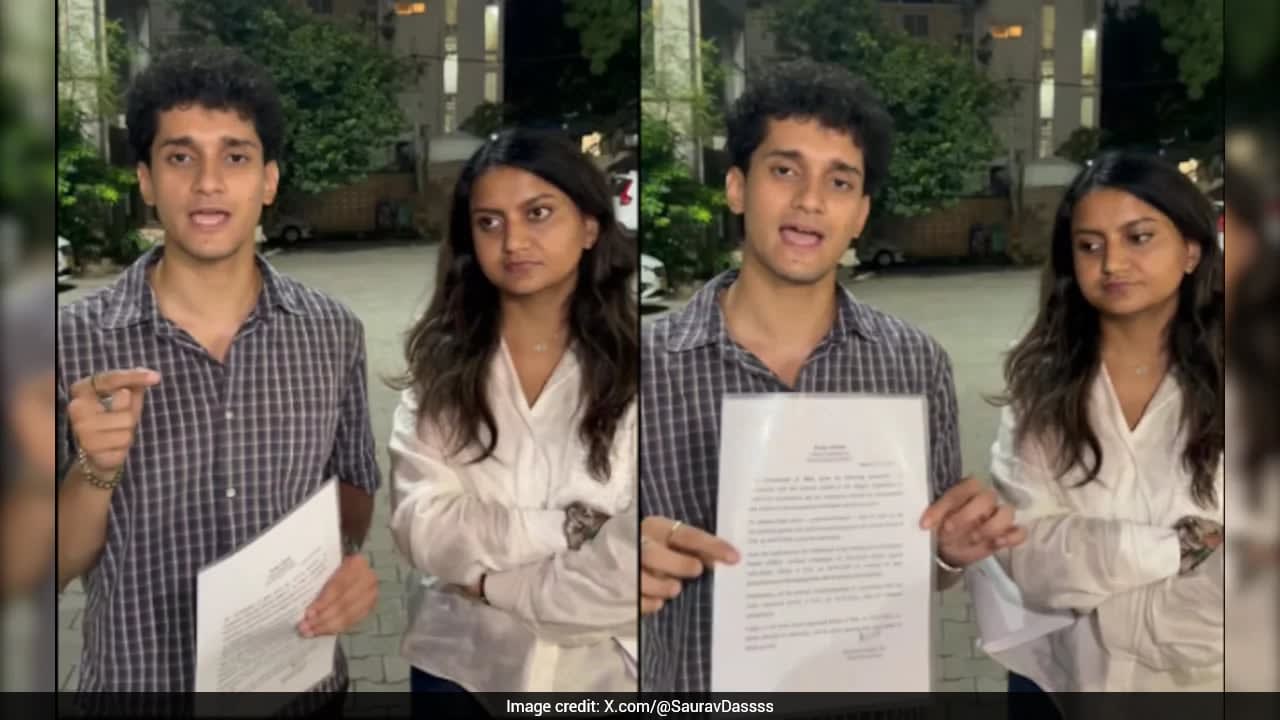
The Cockroach Janta Party has secured government assurances to drop cases against student protesters following late-night negotiations. Meanwhile, in Bihar, a constable was suspended for unauthorized AK-47 firing during similar protests in Siwan.
Political Tensions and Protest Protections
The recent developments involving the Cockroach Janta Party (CJP) and the Union government mark a pivotal moment in the ongoing discourse regarding student protests in India. Following a marathon late-night negotiation session that extended well past 1 am on Monday, CJP leaders Saurav Das and Ashutosh Ranka, supported by senior advocate Kapil Sibal, emerged with a significant commitment from the state. The agreement stipulates that the government will withdraw FIRs against student protesters and release those currently in detention, effectively aiming to de-escalate tensions that have gripped several states.
The Role of Negotiated Settlements
The involvement of legal heavyweights like Kapil Sibal underscores the gravity of the situation. By securing physical documentation—specifically notifications from Bihar and Assam—the CJP has attempted to move beyond verbal assurances to actionable legal relief. This move is intended to provide a safeguard for students who feared prolonged legal repercussions for their participation in demonstrations. The government’s willingness to engage in such high-stakes, late-night talks suggests an urgent desire to restore order and address the underlying grievances of the student body.
Policing and Accountability in Bihar
Simultaneously, the situation in Siwan, Bihar, highlights the volatile nature of these protests on the ground. The suspension of constable Abhishek Kumar, who was caught firing an AK-47 into the air during a protest, serves as a focal point for the debate on police conduct. Siwan District Magistrate Vivek Ranjan Maitrey and SP Puran Kumar Jha confirmed that the firing was entirely unauthorized. This incident, which resulted in three individuals sustaining injuries, has become a rallying cry for those alleging police excess and lack of institutional control during civil unrest.
Institutional Oversight and Departmental Action
The immediate suspension of Constable Kumar and the initiation of departmental proceedings reflect an attempt by the Bihar administration to maintain public confidence. By distancing the state from the unauthorized actions of the District Intelligence Unit (DIU) personnel, officials are trying to mitigate the political fallout that reached the halls of Parliament. The investigation into how a member of a specialized unit felt compelled to discharge a high-caliber weapon in a civilian crowd will be critical in shaping future training and crowd control protocols.
Broader Implications for Future Protests
These events signal a shifting landscape in how student-led movements are managed in India. The dual-track approach—combining high-level political negotiation with local-level accountability for security lapses—is likely to become a template for handling future unrest. The government’s promise to drop cases and release detainees, if fully implemented, may serve to stabilize the current environment, but the public will remain vigilant regarding the follow-through of these promises.
Looking Ahead
Moving forward, the success of these agreements will depend on the consistency of the state's actions in Bihar and Assam. As the legal processes for withdrawing FIRs begin, the CJP will likely maintain pressure on the administration to ensure no further retaliatory actions are taken against the protesters. Meanwhile, the investigation into the Siwan firing incident will likely serve as a litmus test for the accountability of law enforcement agencies when operating in highly charged, sensitive environments.
Multiple Citing Sources
Verification Required?