'FriYAY plans? We got ideas for you!' CJP issues call for Tiranga march as CP park shut
Source Entity
AASTHA JHA
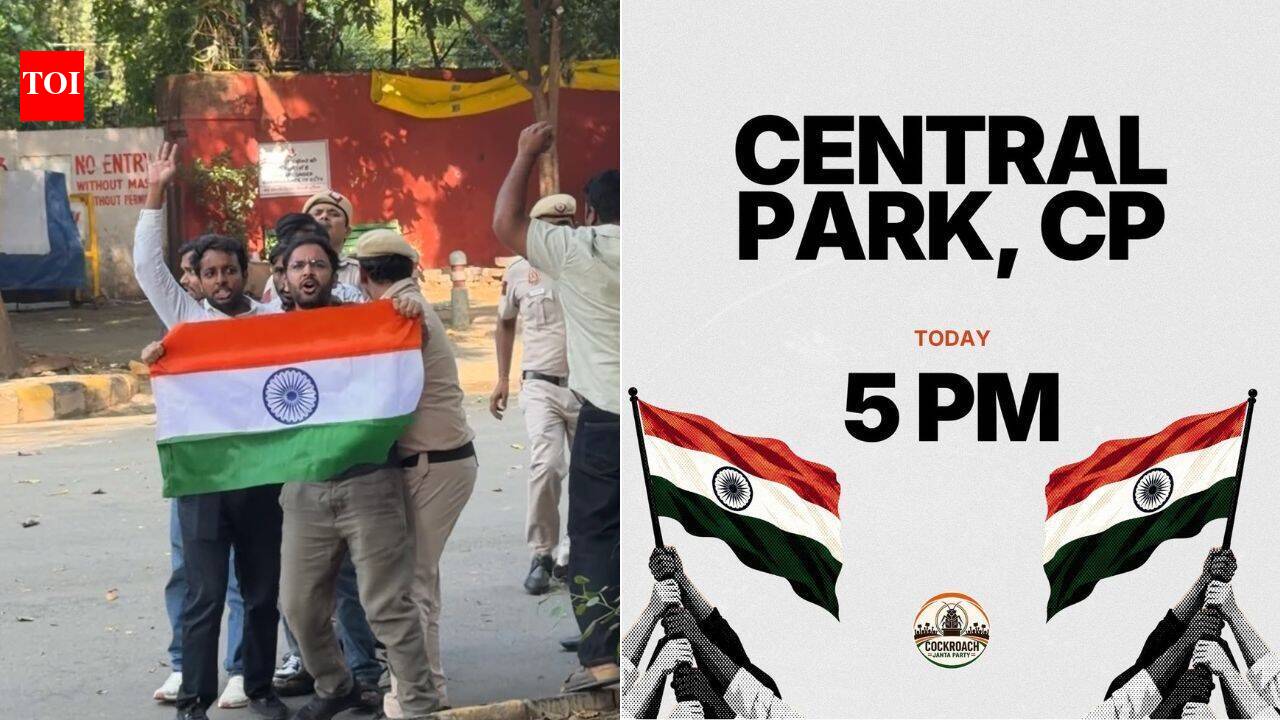
CJP leader Abhijeet Dipke and student activists have accused the Indian government of suppressing dissent through mass detentions and severe restrictions in Delhi. The protests, which demand the resignation of CEC Gyanesh Kumar, also allege systematic manipulation of electoral rolls.
The Crisis of Democratic Accountability: Protests Erupt in New Delhi
Recent developments in the national capital have brought the issue of electoral integrity and civil liberties to the forefront of Indian political discourse. The Cockroach Janta Party (CJP), led by Abhijeet Dipke, has spearheaded a series of demonstrations demanding the resignation of Chief Election Commissioner (CEC) Gyanesh Kumar. These protests have been met with a forceful response from state authorities, leading to widespread allegations of administrative overreach and the systematic suppression of democratic dissent.
The Anatomy of the Crackdown
The government's response to the ongoing unrest has been marked by what observers describe as "extraordinary restrictions." Reports indicate that Delhi has witnessed the suspension of critical rail services and the closure of multiple Metro stations, effectively paralyzing the movement of citizens. Abhijeet Dipke has characterized these measures as a desperate attempt to protect a single individual—CEC Gyanesh Kumar—at the expense of the constitutional rights of the public. The detention of student activists and prominent opposition leaders, including former Chief Ministers Mamata Banerjee, Arvind Kejriwal, and Pinarayi Vijayan, suggests a coordinated effort to quell the momentum of the anti-CEC agitation.
Allegations of Electoral Manipulation
At the core of the CJP's grievance is the alarming claim that over 13 crore voters have been deleted from electoral rolls. Dipke has publicly questioned the legitimacy of these deletions, labeling the administrative actions as a potential "setting" to influence future electoral outcomes. Such allegations, if left unaddressed, pose a significant threat to the perceived impartiality of the Election Commission, which is the cornerstone of India’s democratic framework. By linking these administrative deletions to the current protests, activists are framing the fight for the CEC’s resignation as a broader struggle to protect the sanctity of the ballot box.
Suppression of Media and Civil Society
The tension escalated further during a recent press conference, where activists including Neha Bora of the All India Students' Association and actor Prakash Raj faced significant disruptions. Neha Bora has raised serious concerns regarding the treatment of journalists, noting that members of the press are being intimidated or hindered while attempting to document the state's crackdown on protesters. This environment of hostility toward the media and civil society organizations like the CJP indicates a narrowing space for public discourse and critical reporting on government activities.
Historical Context and Future Implications
The ongoing agitation at Jantar Mantar and across Delhi represents a pivotal moment in contemporary Indian politics. Historically, the Election Commission of India has been viewed as a robust, autonomous institution; however, the current demands for the resignation of the CEC signal a deep-seated erosion of public trust. As the government continues to employ restrictive measures to manage dissent, the political landscape is likely to become increasingly polarized. The involvement of a broad coalition—ranging from student unions to veteran political leaders—suggests that this movement has the potential to coalesce into a nationwide debate on the necessity of electoral reform and the protection of constitutional mandates. The outcome of these protests will likely serve as a litmus test for the resilience of democratic institutions in the face of executive pressure.
Multiple Citing Sources