Congress MP Akoijam: ‘Everything Will Come To Light’ After JNU Dismissal Over Allegations
Source Entity
Latest News: Todays Latest News Headlines from India & World | Hindustan Times | Hindustan Times
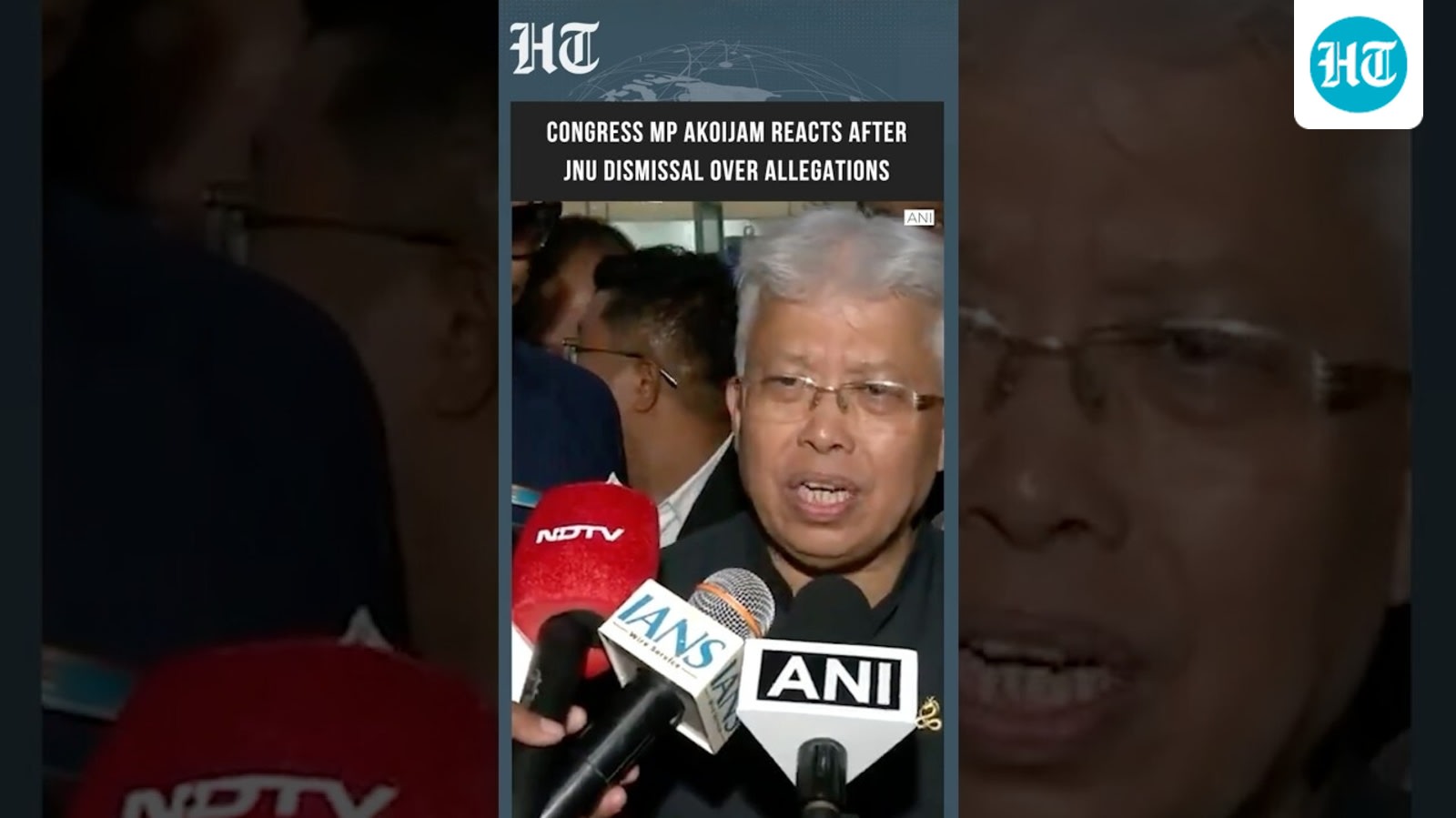
Congress MP Angomcha Bimol Akoijam has appeared before the Delhi Police regarding an investigation into sexual harassment allegations at JNU. Akoijam, who maintains the case is politically motivated, has pledged to cooperate with the legal process.
The Intersection of Academia, Law, and Politics: The Akoijam Case
Recent developments involving Congress MP Angomcha Bimol Akoijam have placed a spotlight on the delicate intersection of academic environments, legal proceedings, and political discourse in India. Akoijam, a prominent figure, recently appeared before the Delhi Police following a summons related to an ongoing investigation into allegations of sexual harassment involving female students at Jawaharlal Nehru University (JNU). This event marks a significant moment as it brings a high-profile political representative into the fold of a sensitive criminal inquiry.
The Nature of the Legal Investigation
At the heart of the matter is the formal investigation conducted by the Delhi Police. The allegations, which center on claims of sexual harassment within the JNU campus, are currently being examined under the purview of Indian law. While the details of these allegations remain subject to the ongoing investigation, the presence of a Member of Parliament in the investigative process underscores the gravity with which the authorities are treating the claims. The legal system must now balance the necessity of a thorough inquiry with the rights of all involved parties.
Political Allegations and Public Discourse
Akoijam has openly characterized the case as being "political from the beginning." This assertion highlights a recurring theme in Indian politics, where legal actions against public officials are frequently scrutinized through the lens of partisan motivation. By stating that "everything will come to light," the MP is positioning his defense not just in the courtroom, but in the court of public opinion, suggesting that the underlying intent of the summons may extend beyond the specific allegations at hand.
Commitment to Due Process
Despite his reservations regarding the political nature of the case, Akoijam has explicitly stated his intention to cooperate with the Delhi Police and affirmed his belief that the law should take its own course. This commitment is vital for the integrity of the investigative process. In a democratic setup, the willingness of a public representative to subject themselves to the rule of law serves as a benchmark for institutional accountability, regardless of the political friction that may surround the initial filing of the complaint.
Implications for JNU and Beyond
Jawaharlal Nehru University has historically been a site of intense political debate and social activism. Incidents occurring within its campus often carry broader implications for national discourse on student safety and institutional governance. The current investigation not only impacts the individuals involved but also raises questions about the mechanisms in place to handle harassment complaints within elite academic institutions. As the investigation progresses, it will likely continue to draw scrutiny from academic circles, political opponents, and the general public.
Looking Ahead: The Path to Resolution
As the investigation continues to unfold, the priority remains the determination of factual accuracy regarding the allegations. Future trends in this case will likely involve the submission of findings by the Delhi Police, which will be critical in deciding the next legal steps. The case serves as a reminder of the necessity for transparency in investigations involving public figures, ensuring that the legal process remains insulated from political interference while simultaneously addressing the serious nature of the harassment claims reported by students.
Verification Required?