Surjit Bhalla: On SIR, Opposition doth protest too much. ECI has been more right than wrong
Source Entity
Surjit S Bhalla
Surjit Bhalla argues that recent opposition protests against the Election Commission of India's Special Intensive Revision are unfounded. He defends the ECI's processes, noting that the institution has historically maintained high integrity despite intense political scrutiny.
The Controversy Surrounding India's Electoral Integrity
The recent political landscape in India’s capital has been marked by intense friction between opposition parties and the Election Commission of India (ECI). At the heart of this conflict is the Special Intensive Revision (SIR) of electoral rolls, a process that has become a flashpoint for accusations regarding the erosion of democratic norms. On October 5, the Congress president issued a series of 'non-negotiable' demands, specifically calling for the resignation of the Chief Election Commissioner (CEC), the immediate cessation of the SIR, and a return to paper ballots—a system India moved away from to improve efficiency and reduce human error.
Escalation of Political Demands
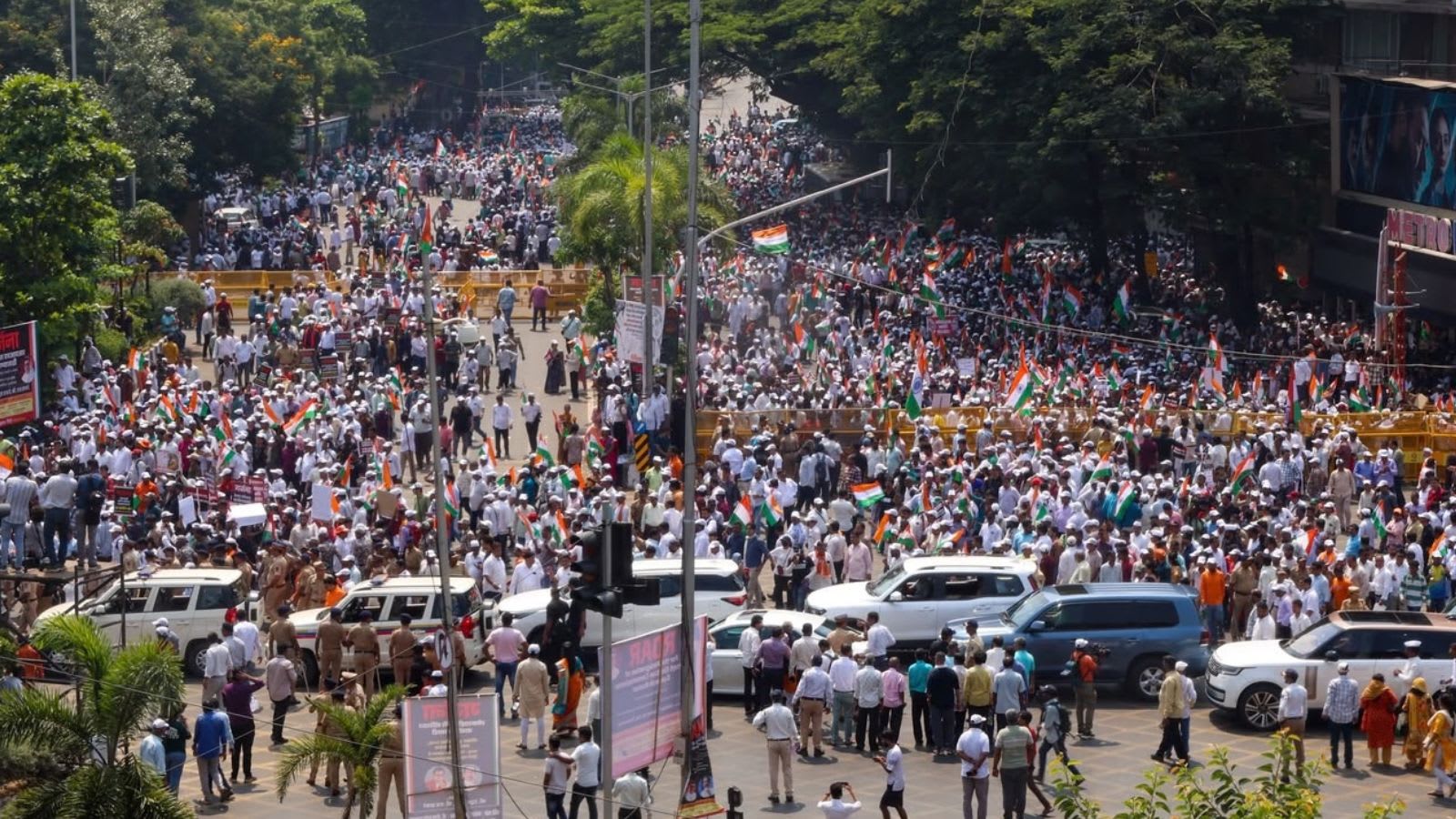
The tension reached a fever pitch on October 10, when over 2,000 individuals were detained in Delhi during protests organized by the Cockroach Janta Party (CJP). The CJP’s demands significantly expanded upon those of the Congress, calling for the CEC to resign within 48 hours, a total freeze on the SIR process, a reversion of voter rolls to their status as of January 2025, and an outright suspension of upcoming elections. This escalation represents a significant challenge to the administrative autonomy of the ECI, which is tasked with maintaining the integrity of the world’s largest democratic exercise.
Analyzing the Role of the Election Commission
Surjit Bhalla, in his analysis, suggests that the opposition's protests are disproportionate and potentially misguided. By examining the ECI’s track record, Bhalla posits that the institution has been 'more right than wrong' throughout its history. The ECI serves as the bedrock of Indian democracy, and its administrative procedures, such as the SIR, are designed to ensure that voter rolls remain accurate and reflective of the current population. Frequent calls for its restructuring or the resignation of its leadership often stem from political frustration rather than systemic failure.
The Shift Toward Digital Democracy and Skepticism
There is a notable generational and cultural divide influencing this discourse. As noted in the critique of 'entitled Gen Z' observers, modern political engagement is often shaped by rapid, bite-sized information consumption. This environment can foster a narrative of a 'democracy under siege' without necessarily engaging with the technical complexities of electoral management. The skepticism toward digital voting and modern revision processes like the SIR reflects a broader global trend where the mechanics of democracy are increasingly treated with suspicion by those who feel disenfranchised.
Implications for Future Electoral Processes
The insistence on returning to paper ballots and the demand to suspend elections suggest a fundamental lack of trust in modern technological interventions in the voting process. Historically, the transition to electronic systems was intended to mitigate the risks of booth capturing and ballot tampering. Reverting to older methods would not only be a logistical nightmare for a country of India's scale but could also reintroduce vulnerabilities that modern systems have largely addressed. As the ECI continues its work, the ability to balance transparency with administrative necessity will be the ultimate test of its legitimacy.
Conclusion: Assessing Institutional Resilience
Ultimately, the protests in Delhi highlight a polarized political environment where the ECI is frequently caught in the crossfire. While democratic dissent is a vital component of the Indian political fabric, the demands to halt essential administrative revisions and suspend electoral cycles pose a significant risk to the stability of the state. Bhalla’s assessment serves as a reminder that institutional integrity should be evaluated based on long-term performance rather than short-term political pressures.