CJP to inspect rural schools for basic amenities in Aug 15 ‘social audit’
Source Entity
The Indian Express
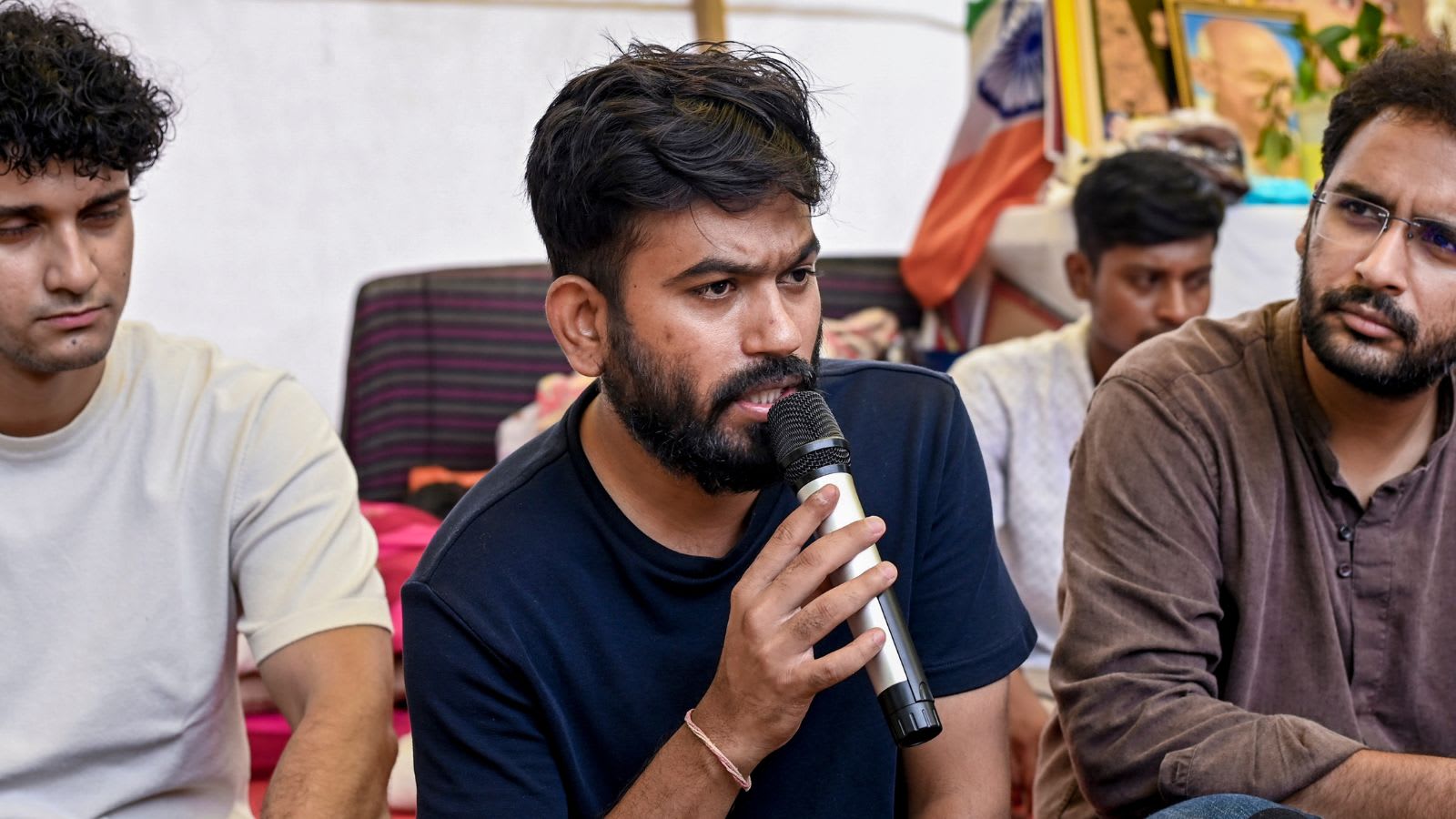
Cockroach Janta Party (CJP) founder Abhijeet Dipke has announced a social audit of rural Indian schools to be conducted on August 15. The campaign aims to highlight the disparity in educational infrastructure between urban and rural regions as part of the country's 80th Independence Day.
Assessing the CJP Rural Education Initiative
The Cockroach Janta Party (CJP), under the leadership of founder Abhijeet Dipke, has officially announced a grassroots-focused 'social audit' of government schools across rural India. Scheduled for August 15, this initiative coincides with India’s 80th Independence Day, serving as a symbolic juxtaposition between national celebration and the practical realities of rural education. By urging citizens, parents, and village leaders to inspect local schools for basic amenities, the CJP aims to transition from traditional political campaigning to a participatory governance model.
The Disparity Between Urban and Rural Development
At the core of Dipke’s announcement is a critique of the uneven distribution of national development. While urban centers have witnessed the construction of high-profile projects, such as the new Parliament building, rural regions continue to suffer from chronic neglect. This initiative seeks to quantify this gap by focusing on the fundamental right to education and the physical state of the facilities meant to provide it. The 'social audit' acts as an accountability mechanism, forcing a spotlight on the lack of basic infrastructure that persists decades after independence.
Empowering Local Stakeholders
By calling on the community to take charge of the inspection process, the CJP is attempting to decentralize oversight. The 'Kya Bolti Public' campaign, which precedes this audit, appears to be an effort to mobilize public sentiment toward tangible policy demands. By involving farmers and laborers—the primary demographics utilizing these rural facilities—the party is attempting to shift the narrative from political rhetoric to the immediate, practical needs of the rural workforce.
Historical Context and Future Trends
The timing of this audit is significant. As India marks its 80th year of independence, the CJP is leveraging the historical weight of the occasion to highlight unfinished business in the social sector. If this campaign gains momentum, it could set a precedent for citizen-led data collection on public service delivery. Such movements often force local administrations to address long-standing complaints to avoid negative publicity during high-profile national dates.
Broader Implications for Political Activism
This strategy represents a shift toward 'issue-based' politics rather than identity-based campaigning. By focusing on the 'social audit' of basic amenities, the CJP is challenging the status quo of educational neglect. The success of this move will depend on the level of public participation and whether the collected data can effectively influence government policy. It serves as a reminder that the quality of education remains a primary indicator of national progress, and that infrastructure remains a critical barrier in rural development.