Clean Energy Spending Tracking Toward Record $180 Billion in 2026
Source Entity
Yahoo Finance
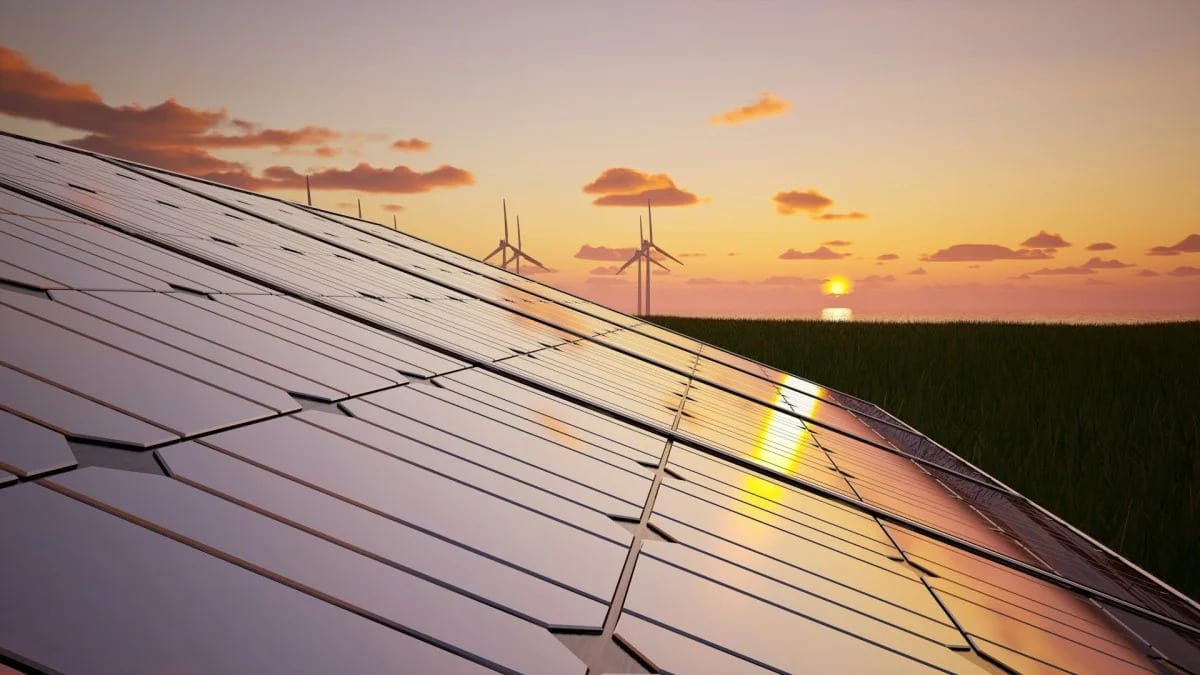
Clean energy investments are projected to reach a record $180 billion in 2026, driven by market forces despite federal policy rollbacks. This growth highlights a structural shift toward renewable integration in the U.S. energy grid.
The Unintended Acceleration of the Clean Energy Transition
Recent data from the fintech firm Crux indicates a paradoxical shift in the United States energy landscape. Despite a federal policy environment characterized by the aggressive rollback of Obama- and Biden-era clean energy incentives, the nation is witnessing a historic surge in renewable energy capital expenditure. Projections suggest that clean energy spending is on track to hit a record $180 billion by the end of 2026, with $74 billion already deployed in the first half of the year.
Market Forces vs. Federal Policy
The current administration, led by Donald Trump, has actively dismantled the regulatory and financial scaffolding previously supporting the green transition. However, this analysis reveals that the momentum behind solar, wind, and grid infrastructure has decoupled from federal mandates. The market has reached a critical threshold where renewable technologies are increasingly cost-competitive, driven by private sector demand, corporate sustainability goals, and the inherent efficiency of modern energy infrastructure.
The Resilience of Infrastructure Investment
Beyond simple technology adoption, the national energy grid is undergoing a fundamental transformation to accommodate a more volatile, renewable-heavy energy mix. This infrastructure buildout is not merely a product of government subsidy but a necessary response to aging grid architecture and the rising demand for reliable, decentralized power. Investors are prioritizing the long-term viability of renewable assets, viewing them as essential infrastructure rather than speculative green ventures.
Economic Drivers and Capital Allocation
The robustness of the $180 billion figure suggests that capital markets have internalized the transition. Institutional investors are increasingly viewing clean energy as a hedge against the volatility of fossil fuel markets. By focusing on scalability and technological integration, these investments bypass the uncertainty of political cycles, proving that once a technology reaches a specific scale of adoption, market forces become more potent than legislative intervention.
Implications for the Future Grid
As the U.S. continues to integrate more wind and solar energy, the technical requirements for grid stability are evolving. The ongoing $180 billion expenditure is likely facilitating the deployment of battery storage, smart-grid software, and transmission upgrades—all necessary components for a sustainable future. The fact that this is occurring under a skeptical administration suggests that the transition has entered a self-sustaining phase of growth.
Conclusion: A New Era of Energy Autonomy
Ultimately, the data from the 2026 Mid-Year Market Intel shows that the clean energy transition is no longer a political project but an economic imperative. While federal policy can slow or accelerate adoption, the underlying shift toward a renewable-powered grid appears to be irreversible. As we look toward the end of 2026, the record-breaking investment levels serve as a testament to the resilience of the private sector in shaping the nation's energy future.