Cleveland police chief proud of force but being 'let down' by funding
Source Entity
BBC News
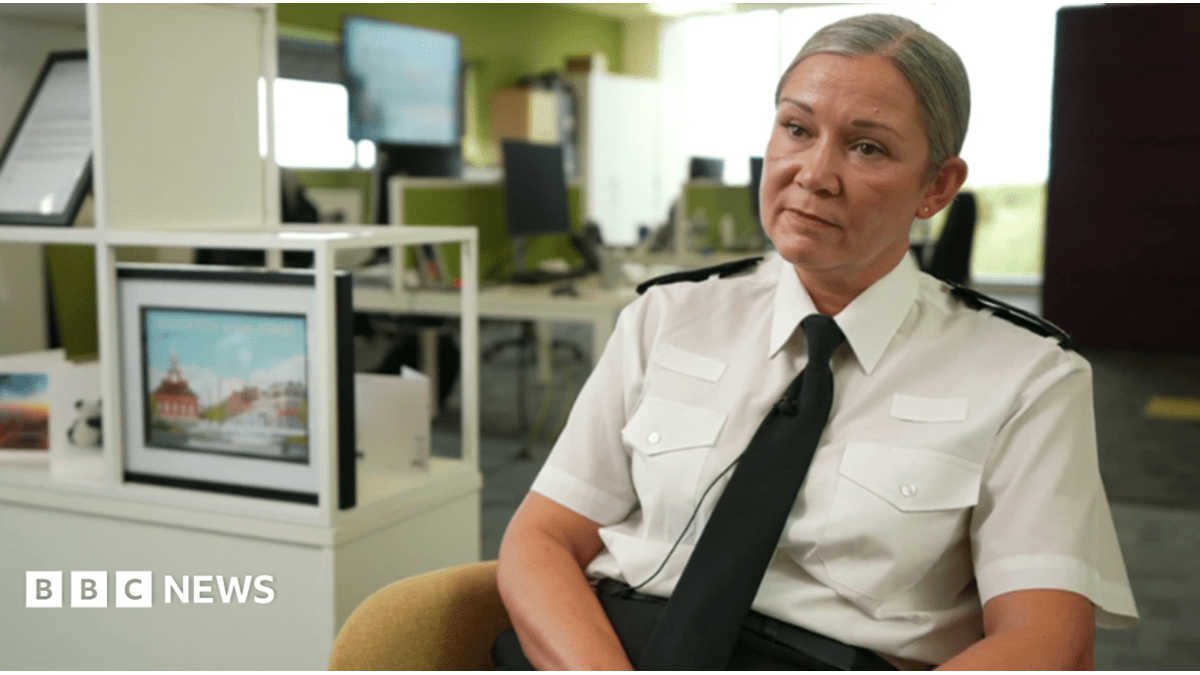
Cleveland Police Chief Constable Victoria Fuller has called for a merger into a larger force, citing unsustainable funding and resource strain. This follows a tragic A66 crash that claimed seven lives, exposing the pressures of battling high crime levels with limited personnel.
The Crisis of Capability in Cleveland Police
Chief Constable Victoria Fuller has publicly addressed the systemic strains facing the Cleveland Police force, arguing that the current funding model is failing both her officers and the public they serve. Her comments, made in an exclusive interview with the BBC, come in the wake of a devastating tragedy: a fatal crash on the A66 motorway that claimed seven lives, including two police officers. This event has served as a grim catalyst for a broader discussion on the structural limitations of smaller regional police forces.
The Disparity of Resources
Fuller highlighted a stark reality regarding the operational demands placed on her officers. Despite handling crime levels that rival major metropolitan areas—which typically benefit from larger budgets and more extensive infrastructure—Cleveland Police operates with significantly fewer personnel. This gap between the complexity of the crime landscape and the available human capital creates an environment where officers are chronically overstretched, potentially compromising both public safety and officer welfare.
Strategic Consolidation as a Solution
To address this disparity, Chief Constable Fuller has proposed that Cleveland Police be integrated into a larger, strategic force. The argument is rooted in the belief that economy of scale and centralized resource management could provide the force with the necessary tools to combat sophisticated criminal elements. By pooling resources, a larger entity could theoretically deploy specialized units and advanced technologies that are currently beyond the reach of a smaller regional force.
The Impact of Organized Crime
The fatal A66 crash, which involved a vehicle traveling the wrong way down the motorway, has illuminated the dangerous intersection of regional policing and organized criminal activity. Subsequent police operations have led to multiple arrests, underscoring the severity of the criminal networks operating within the jurisdiction. Fuller’s assessment suggests that the current force is struggling to keep pace with these organized threats while simultaneously maintaining baseline public safety.
Future Implications for Policing
The advocacy for a larger, better-resourced force represents a growing trend in the debate over police reform in the UK. As criminal activities become more cross-regional and technologically sophisticated, the effectiveness of smaller, localized administrative units is being increasingly scrutinized. If Fuller’s recommendations are adopted, it could set a precedent for the consolidation of other regional forces across the country to ensure parity in service delivery.
Conclusion
Victoria Fuller’s stance is a sobering reminder of the human cost of administrative and fiscal neglect. By linking the structural limitations of the force to the tragic loss of life on the A66, she has brought the issue of police funding to the forefront of the public agenda. The challenge ahead lies in balancing local accountability with the necessity for the robust, large-scale resources required to combat modern organized crime effectively.