US Coast Guard searches for missing air ambulance off coast of Massachusetts
Source Entity
Keely Aouga
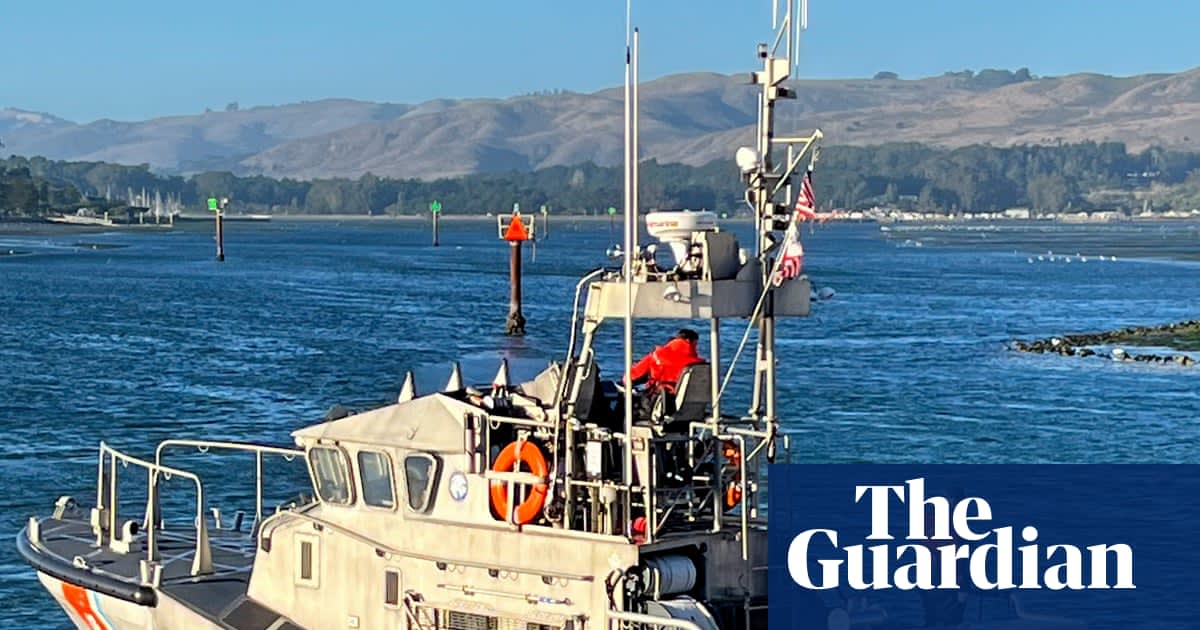
A Canadian-registered Gulfstream G100 air ambulance carrying six people has gone missing while flying from Bermuda to Boston. The US Coast Guard has launched an extensive search operation by air and sea near Nantucket after the aircraft lost contact with air traffic control.
Search Operations Underway for Missing Gulfstream Jet
The aviation community and maritime authorities are currently focused on a high-stakes search operation following the disappearance of a Canadian-registered Gulfstream G100 jet. The aircraft, which was operating as an air ambulance, vanished from radar early Saturday morning while en route from Bermuda to Boston. With six individuals on board—comprising four crew members and two passengers—the sudden loss of communication has triggered an immediate and coordinated emergency response.
Coordination and Scope of the Search
Upon receiving notification of the lost contact from the Federal Aviation Administration (FAA), the US Coast Guard moved rapidly to mobilize resources. The search area is currently concentrated off the coast of Nantucket, an area known for complex maritime conditions. The response involves a multi-agency effort, with assets deployed from US Coast Guard Air Station Cape Cod, US Coast Guard Station Brant Point, and the USCGC William Sparling, ensuring both aerial surveillance and surface-level search capabilities are active.
The Nature of the Flight
It is significant that the missing aircraft was identified as an air ambulance. Such flights are often tasked with critical medical transport, requiring specific flight paths and operational urgency. The fact that the jet was traveling from Bermuda to Boston suggests a trans-oceanic flight segment, which presents unique challenges for air traffic control and navigation. The sudden loss of contact indicates a potential mid-flight emergency that prevented the crew from maintaining communication with ground controllers.
Challenges in Maritime Aviation Search
Searching for an aircraft over the Atlantic Ocean involves immense logistical hurdles. The transition from radar visibility to total silence requires rescuers to calculate potential drift patterns based on ocean currents, wind speed, and the last known coordinates provided by flight-tracking data. The involvement of the USCGC William Sparling and local Nantucket stations highlights the necessity of localized, high-speed response teams in the initial hours of a search-and-rescue (SAR) operation.
Broader Implications and Safety Protocols
This incident underscores the inherent risks associated with aviation travel, particularly for specialized medical transport flights. While the cause of the disappearance remains unknown, investigations of this nature typically involve a rigorous review of flight logs, weather data, and mechanical maintenance records once the wreckage is located. The safety protocols governing international flights between Bermuda and the United States will likely face renewed scrutiny as authorities work to determine whether mechanical failure, weather conditions, or other external factors contributed to the disappearance.
Looking Ahead: Search and Recovery
The immediate priority remains the location of the aircraft and the safety of the six individuals on board. As the search continues, the coordination between the FAA and the Coast Guard will be critical in narrowing the search grid. Future developments will depend on the successful identification of debris or emergency signals, which will eventually allow investigators to piece together the final moments of the flight.