Video: People Flee Collapsing Building As Earthquake Kills 132 In Colombia
Source Entity
NDTV News Search Records Found 1000
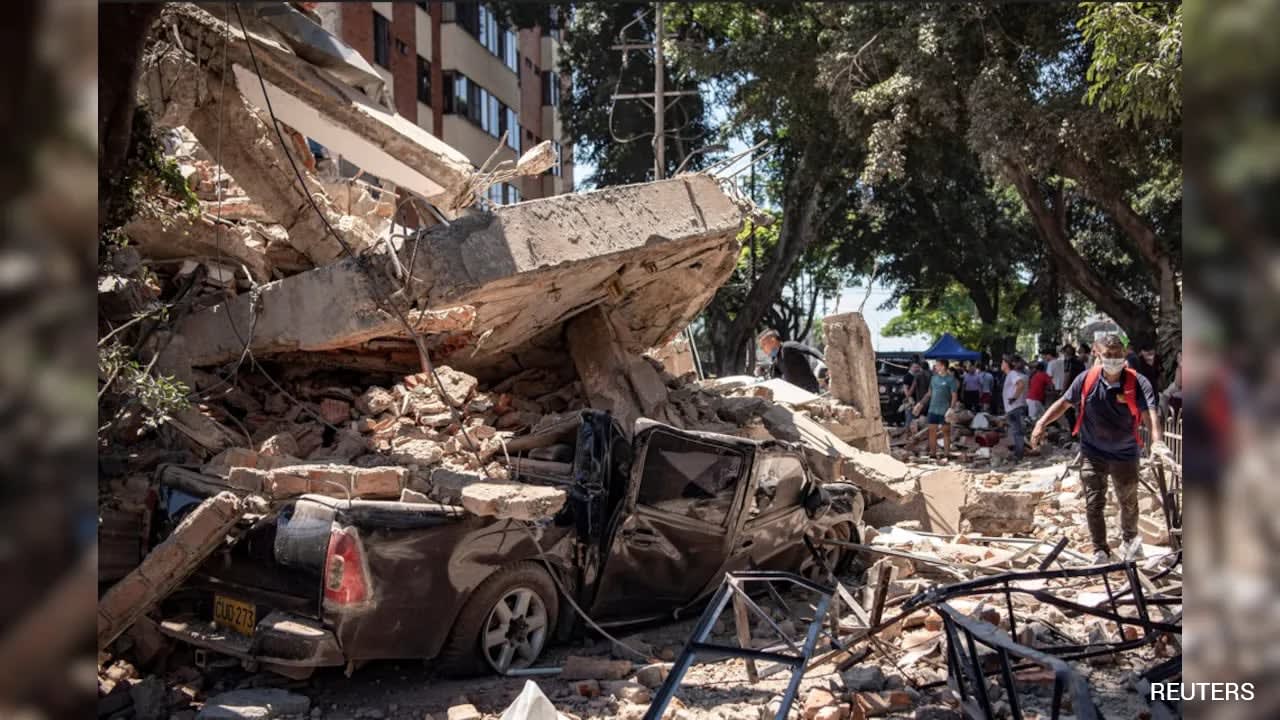
A powerful 7.4-magnitude earthquake struck western Colombia on August 10, 2026, causing at least 20 deaths and widespread building collapses. Emergency response efforts are underway, with the tremor felt across multiple countries.
The 2026 Colombia Earthquake: A Humanitarian Crisis
On the morning of August 10, 2026, a powerful 7.4-magnitude earthquake struck western Colombia, centered near San José del Palmar in the Chocó province. Occurring at 7:34 am local time, the seismic event sent shockwaves across major urban centers, including Cali, Pereira, and the capital, Bogotá. The immediate impact has been devastating, with authorities confirming at least 20 fatalities and extensive structural damage that has paralyzed regional infrastructure.
Regional Impact and Structural Destruction
The destruction is particularly concentrated in the western departments, where urban centers like Pereira and Manizales have reported significant loss of life. In Pereira, 18 deaths have been recorded, while Manizales reported two fatalities and the partial or total collapse of over 30 residential and commercial structures. The collapse of at least 20 buildings in Cali further illustrates the vulnerability of infrastructure in these densely populated regions, as emergency responders continue to search through the rubble for survivors.
Geopolitical and Logistical Disruptions
The scale of the tremor was vast, with reports confirming it was felt as far away as Quito, Ecuador, and Panama, as well as parts of neighboring Venezuela. This broad geographic reach has necessitated a complex emergency response. Air travel has been suspended at several airports, isolating some of the hardest-hit areas and complicating the delivery of medical supplies and search-and-rescue teams. President Abelardo de la Espriella has assumed direct oversight of the recovery efforts to coordinate the federal response.
Geological Context and Aftershock Risks
The 7.4-magnitude classification underscores the intensity of the tectonic shift originating from Chocó. The proximity of the epicenter to major population centers, combined with the structural integrity of older buildings in the region, has exacerbated the casualty count. International geological surveys are currently monitoring the situation for potential aftershocks, which remain a significant threat to rescue workers and survivors currently operating in unstable, damaged environments.
Future Outlook and Recovery Challenges
As the death toll is feared to rise, the Colombian government faces the daunting task of stabilization and reconstruction. With the USGS noting that casualties could potentially reach into the hundreds, the focus remains on the critical "golden hour" of search and rescue operations. Long-term recovery will require a massive mobilization of resources to address the housing crisis caused by the destruction of homes, as well as a comprehensive audit of regional building codes to mitigate risks from future seismic events in this high-activity zone.
Multiple Citing Sources
Verification Required?