Setback for actor Darshan: Plea against co-accused turning approver rejected
Source Entity
The Indian Express
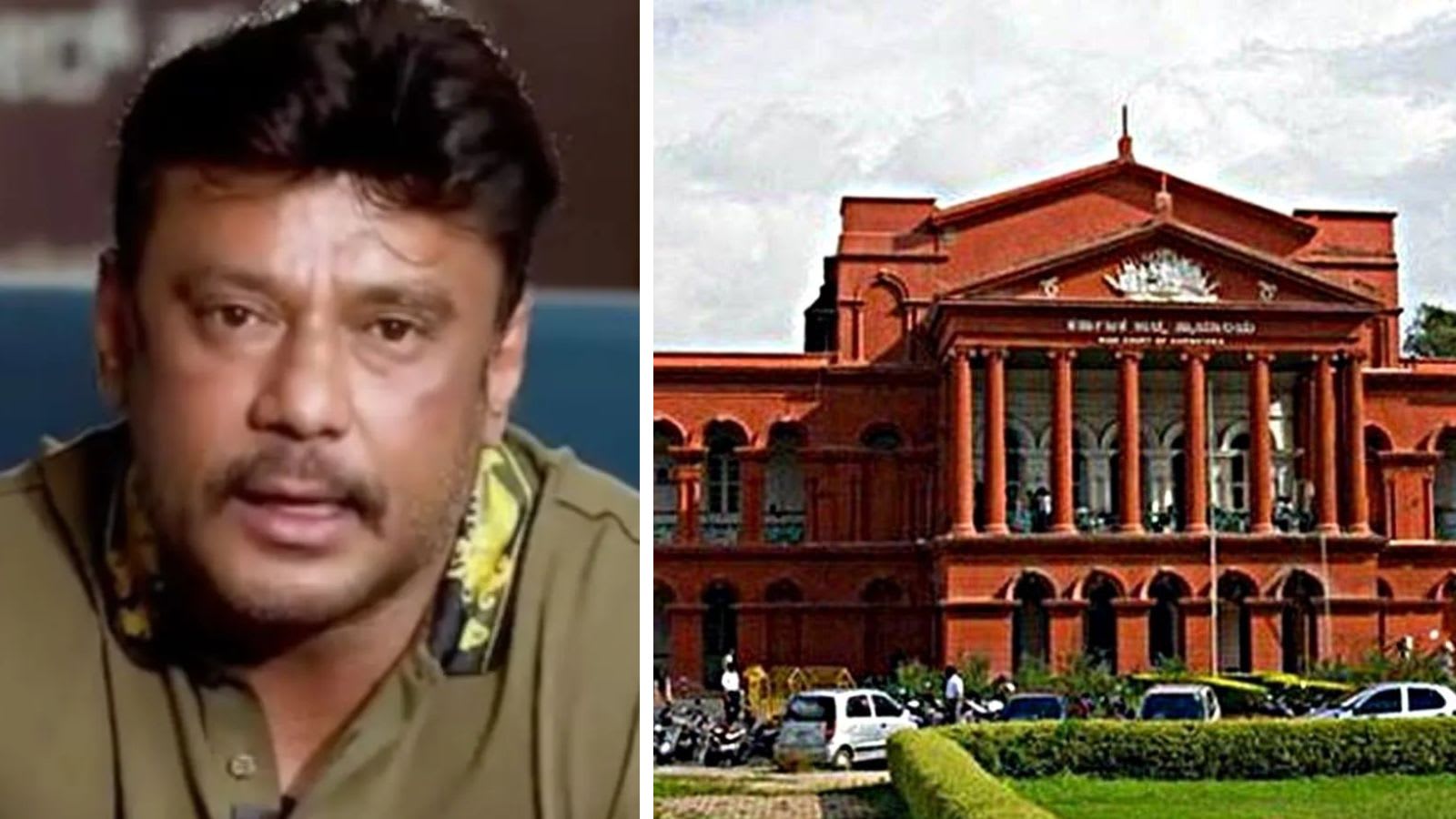
The Karnataka High Court has rejected actor Darshan Thoogudeepa's plea to challenge a co-accused's move to turn approver in the Renukaswamy murder case. The court emphasized that allowing such objections would undermine the legal process of securing prosecution witnesses.
Legal Setback for Darshan in Renukaswamy Murder Case
The Karnataka High Court recently delivered a significant procedural ruling regarding the ongoing 2024 Renukaswamy murder case, involving prominent Kannada actor Darshan Thoogudeepa. The court dismissed a petition filed by the actor that sought to mandate that a trial court hear his formal objections before ruling on a co-accused's request to become an approver. This decision underscores the judiciary's commitment to maintaining the integrity of witness cooperation mechanisms within the criminal justice system.
Understanding the 'Approver' Legal Mechanism
At the heart of this legal dispute is the application by co-accused Pradosh S, a software professional, to transition into a prosecution witness. In Indian law, an 'approver' is an accomplice who receives a pardon in exchange for providing a full and truthful account of a crime. By seeking to become an approver, Pradosh has reportedly submitted an 11-page petition detailing the abduction, torture, and subsequent disposal of Renukaswamy’s body, providing the prosecution with potentially critical evidence.
The Court’s Stance on Procedural Integrity
Justice M. Nagaprasanna, while dismissing the actor’s plea, provided a clear rationale for the decision. The court noted that if a co-accused were permitted to block or delay another co-accused from turning approver through mandatory hearings of objections, the entire mechanism of securing state witnesses would be compromised. The oral remark, “No co-accused will ever turn approver if such a procedure is permitted,” highlights the judiciary's priority in preventing obstructionism in high-profile criminal investigations.
Broader Implications for the Prosecution
For the prosecution, the testimony of an insider like Pradosh can be transformative. Cases involving complex conspiracies—such as those involving abduction and the subsequent disposal of evidence—often rely heavily on the accounts of those present during the commission of the crime. By clearing the path for this application to proceed, the High Court has effectively removed a significant procedural hurdle that could have otherwise delayed the trial and shielded the inner workings of the alleged crime from public and judicial scrutiny.
Future Trends and Judicial Precedent
This ruling serves as a reminder of the narrow scope for intervention by higher courts in ongoing trial court proceedings. By refusing to intervene, the Karnataka High Court has affirmed the trial court's discretion in managing its own evidentiary processes. As this case progresses, the details provided in the approver’s testimony will likely form the cornerstone of the prosecution’s strategy, setting a precedent for how defense teams may attempt to challenge state witnesses in future high-stakes criminal trials.
Conclusion
The rejection of Darshan’s plea marks a pivotal moment in the Renukaswamy case, ensuring that the legal process regarding witness cooperation remains unencumbered by the objections of other defendants. As the trial moves forward, the focus will now shift to the veracity and impact of the evidence provided by the co-accused, as the judiciary continues to balance the rights of the accused against the necessity of uncovering the truth in a brutal murder investigation.