Orthodox-Jacobite Church dispute: Kerala HC urges resolution through civil court before deciding on police protection
Source Entity
India Latest News: Top National Headlines Today & Breaking News | The Hindu
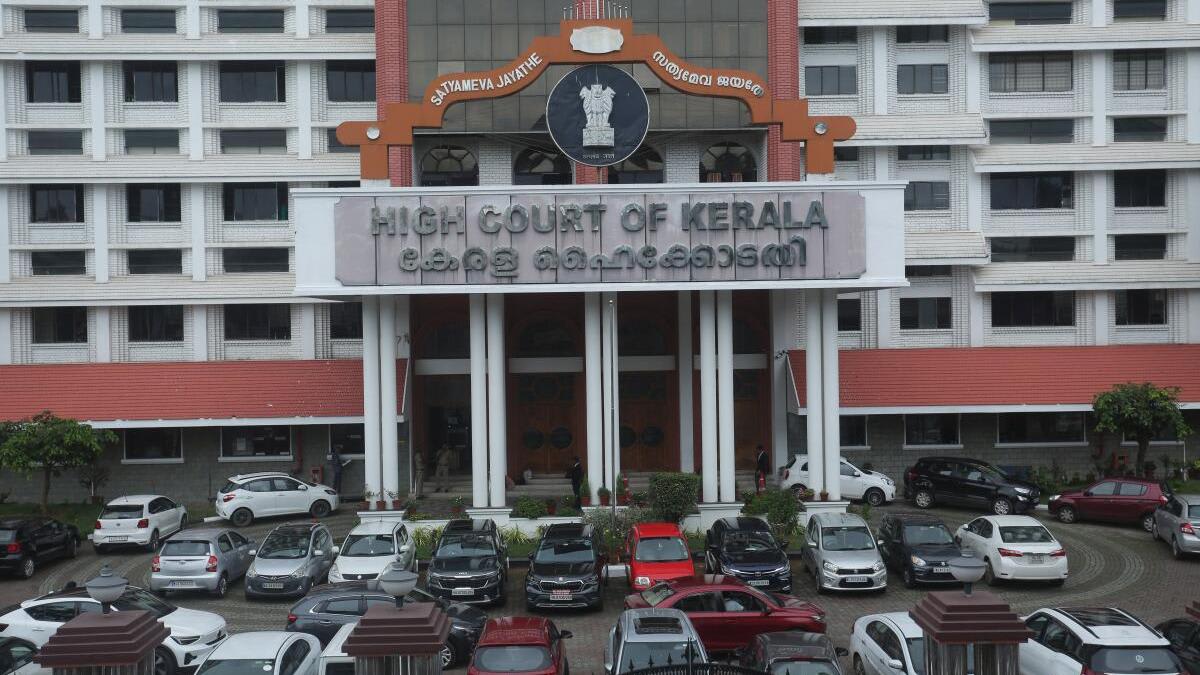
The Kerala High Court has directed that ownership and management disputes over six Jacobite faction churches must be resolved in civil court. The court closed pending appeals, expressing hope that state-led mediation efforts will foster lasting peace in the long-standing Orthodox-Jacobite conflict.
Judicial Shift in the Orthodox-Jacobite Church Dispute
The Kerala High Court has issued a significant directive regarding the long-standing ecclesiastical dispute between the Orthodox and Jacobite factions. By closing appeals related to the management of six churches across Palakkad, Ernakulam, and Kollam, the Division Bench, led by Justices A.K. Jayasankaran Nambiar and A.K. Preetha, has signaled a clear preference for civil litigation over immediate police intervention.
Prioritizing Civil Adjudication
The core of the court's ruling rests on the principle that property disputes and management claims within the Church must be settled by a competent civil court before the state can consider granting police protection. This approach aims to prevent the frequent use of law enforcement as a tool for resolving internal factional conflicts, which has historically led to heightened tensions and localized standoffs.
The Role of State Mediation
A critical component of this legal development is the court’s acknowledgement of measures proposed by the State of Kerala. With the Chief Minister actively involved in proposing pathways for reconciliation, the judiciary has expressed a cautious optimism that these state-led efforts could lead to a lasting peace. By deferring to civil courts, the judiciary is effectively providing the political and administrative space necessary for a negotiated settlement.
Historical Context and Complexity
This dispute is deeply rooted in historical divisions within the Malankara Church, characterized by protracted legal battles over parish administration and property control. The current focus on six specific churches in Palakkad, Ernakulam, and Kollam underscores the localized nature of these conflicts, which often involve competing claims of apostolic succession and administrative authority that have persisted for decades.
Broader Implications for Governance
The court’s insistence on a civil court resolution serves as a reminder of the limits of executive power in religious governance. By mandating that the legal ownership of Church properties be established through standard civil proceedings, the court is reinforcing the rule of law and protecting the autonomy of judicial processes from political or administrative expediency.
Future Outlook
Moving forward, the success of this directive will depend on the willingness of both factions to engage with the civil court system and the State’s mediation efforts. If successful, this framework could serve as a model for resolving future disputes, transforming a cycle of reactive police protection requests into a more structured, legally-grounded process that prioritizes stability and long-term resolution.
Verification Required?