UK defends seizing shadow fleet tanker after Putin threat
Source Entity
BBC News
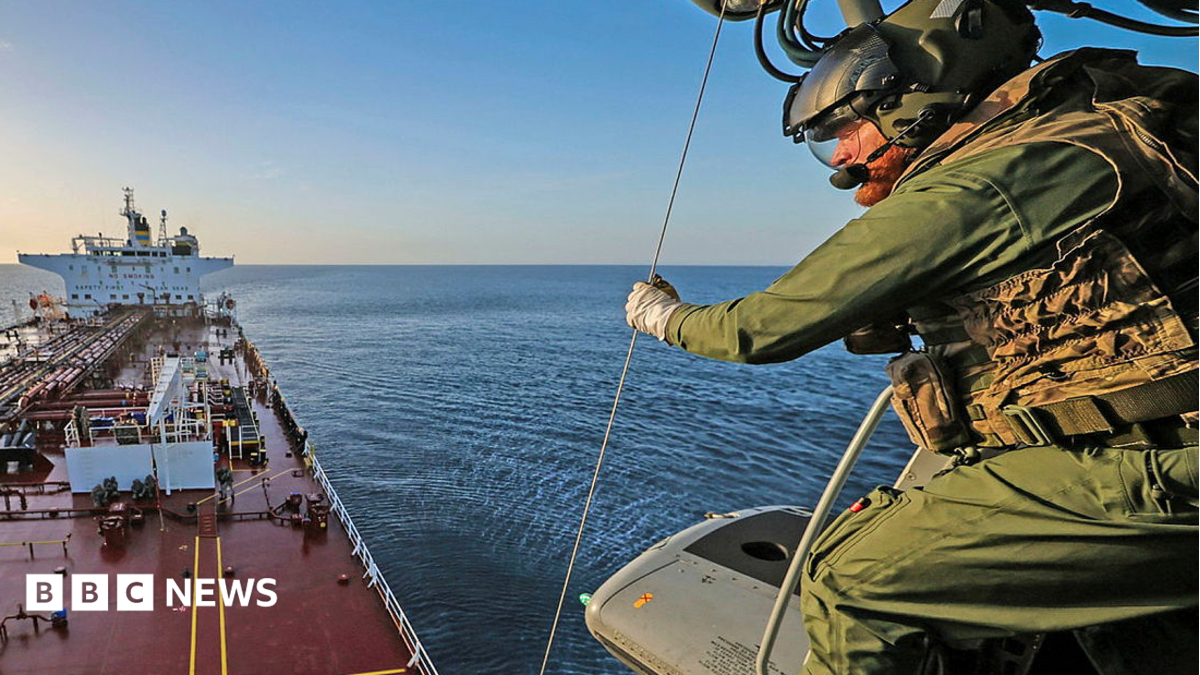
The UK government has defended its seizure of the Russian tanker Smyrtos, citing sanctions enforcement against the 'shadow fleet.' Vladimir Putin has condemned the operation as piracy, threatening reciprocal action against Western vessels.
The Seizure of the Smyrtos: A Geopolitical Escalation
The recent seizure of the Russian-linked oil tanker Smyrtos by the UK government marks a significant intensification in the economic warfare between the West and Russia. By utilizing Royal Marine Commandos to intercept and board the vessel in the English Channel, the UK has signaled a move from passive sanctions monitoring to active, kinetic disruption of the so-called 'shadow fleet.' This operation, which saw the vessel diverted to Weymouth, represents a first-of-its-kind intervention aimed at enforcing international sanctions against Russian energy exports.
Legal Justification vs. Allegations of Piracy
The UK government maintains that the detention of the Smyrtos is strictly in accordance with international and domestic law. The charges brought against the ship’s captain, Ajay Pant, for allegedly breaching Russian sanctions by delivering prohibited oil, provide the legal framework for this seizure. However, the Kremlin has rejected this characterization entirely. President Vladimir Putin, during observations of naval drills in the Pacific, utilized harsh rhetoric, labeling the seizure as 'piracy and banditry.' This fundamental disagreement over the legality of the detention underscores the widening chasm between Western enforcement mechanisms and Russian efforts to bypass them.
The Strategic Significance of the Shadow Fleet
The 'shadow fleet' refers to a collection of aging, often poorly insured tankers used by Russia to bypass G7 price caps and Western sanctions on oil exports. By disrupting these vessels, the UK is attempting to squeeze the financial lifelines of the Russian war machine. The Smyrtos operation is not merely a maritime police action; it is a strategic attempt to increase the cost of doing business for entities facilitating Russian trade. The use of elite military assets like the Royal Marines highlights the high-stakes nature of this maritime blockade.
The Threat of Reciprocal Action
President Putin’s warning that Russia will 'respond in kind' introduces a volatile variable into the maritime security landscape. This threat suggests that the Kremlin may look to target Western commercial or military shipping in retaliation for the detention of the Smyrtos. Such a move would significantly escalate tensions in international waters, potentially leading to a dangerous 'tit-for-tat' cycle that could threaten global shipping lanes and maritime insurance markets.
Future Implications and Global Stability
As the UK continues its policy of disruption, the international community faces the risk of increased maritime friction. If Russia follows through on its threat, the insurance and logistics industries could see a drastic spike in premiums for vessels operating near areas of Russian influence. The Smyrtos incident serves as a precursor to a more confrontational era of sanctions enforcement, where the boundaries between commercial trade, environmental safety, and military intervention are becoming increasingly blurred. The coming months will likely see further testing of these enforcement protocols by both sides.