Fusion power darling Commonwealth Fusion Systems raises another $1B
Source Entity
Tim De Chant
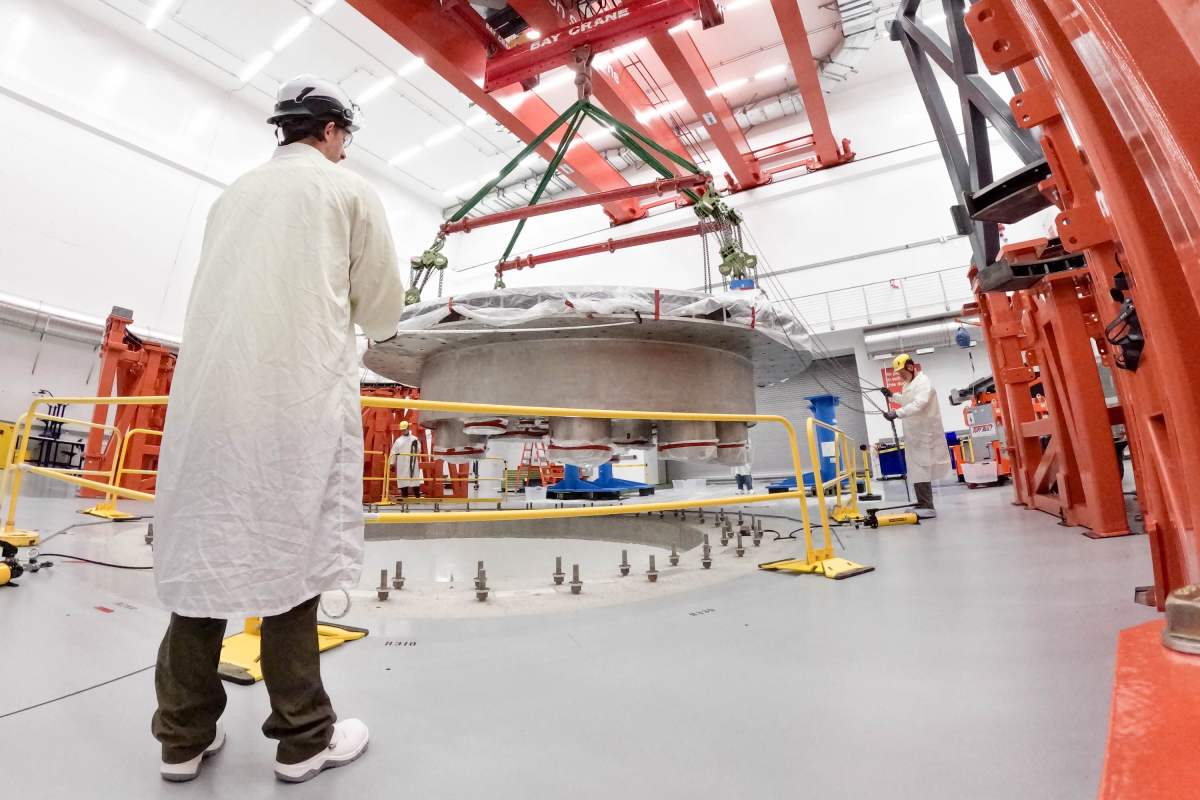
Commonwealth Fusion Systems has secured $1 billion in new funding, bringing its total capital raised to $4 billion. The appointment of former Moderna CFO Lorence Kim signals the company is preparing for a public listing within the next two to three years.
The Path to Commercial Fusion: Commonwealth Fusion Systems’ Strategic Evolution
Commonwealth Fusion Systems (CFS) has solidified its position as the preeminent leader in the fusion energy sector, recently securing an additional $1 billion in capital. This latest injection of funds brings the company’s total lifetime fundraising to an impressive $4 billion, a figure that underscores the immense capital intensity required to transition fusion from a theoretical scientific pursuit into a viable, grid-scale energy solution. By attracting institutional heavyweights—including pension funds and sovereign wealth funds—CFS is signaling that fusion technology is maturing beyond the venture capital phase and into the realm of long-term infrastructure investment.
The Strategic Appointment of Lorence Kim
The most telling indicator of the company’s trajectory is the recent appointment of Lorence Kim as Chief Financial Officer. Kim brings a high-stakes pedigree to the role, most notably for his tenure at Moderna. During his time at the biotech firm, Kim was instrumental in navigating the complex regulatory and financial hurdles required for a successful public listing in 2018. His transition to CFS suggests a deliberate effort to institutionalize the company's financial operations, mirroring the roadmap taken by other high-growth, transformative technology companies seeking to enter public markets.
Scaling Infrastructure: From Sparc to Arc
CFS is currently at a critical operational juncture. The company is actively constructing 'Sparc,' its demonstration reactor, which serves as the technological proof-of-concept necessary to validate its proprietary fusion approach. Simultaneously, the engineering teams are finalizing the design of 'Arc,' the company’s first commercial-scale power plant. The successful completion of these projects is fundamental to the company's valuation and long-term viability, as investors are increasingly looking for concrete milestones rather than just scientific promises.
Industry Implications and Market Timing
Industry observers and recent reports suggest that a public listing within the next two to three years is the primary goal. This timeline aligns with the expected completion phases of their reactor infrastructure. As the startup landscape for clean energy evolves, the ability of CFS to go public would mark a watershed moment for the fusion industry, potentially validating the sector for broader public market participation and establishing a template for how fusion startups can scale their capital structures.
Future Trends in Fusion Energy
Looking ahead, the fusion sector is entering a period of consolidation and professionalization. If CFS successfully executes its plan to go public, it will likely trigger increased competition and further capital inflows into the space. The shift from experimental research to industrial-grade power generation requires not just scientific breakthroughs, but the disciplined financial stewardship that Kim’s arrival represents. As CFS pushes toward commercialization, the global energy market will be watching closely to see if they can finally provide a sustainable, carbon-free baseload power source.