Hidden Zillow listings created fake supply shock, raising NYC rents, lawsuit says
Source Entity
Ashley Belanger
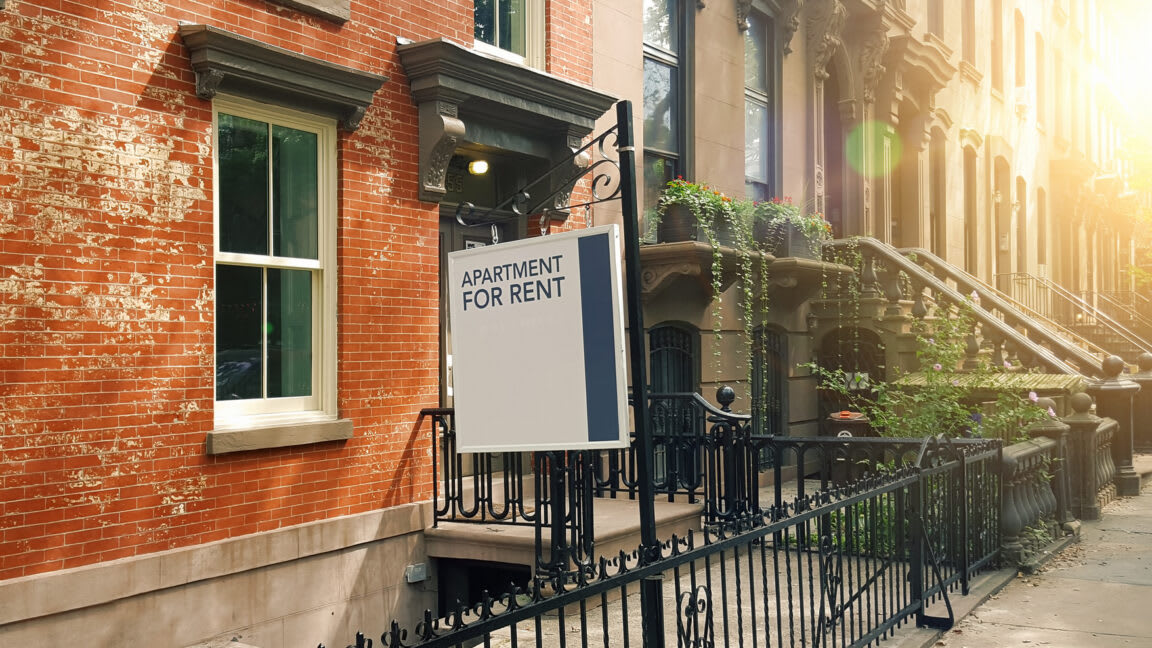
A new class-action lawsuit alleges that real estate brokerage Compass has created an artificial supply shock in Manhattan. By controlling a vast majority of listings and restricting their availability, the firm is accused of driving up local rental prices.
The Manhattan Rental Crisis: An Antitrust Allegation
A significant legal challenge has emerged in the New York City real estate market, as plaintiffs Peter Castaneda and Haley Gelfand have filed a class-action lawsuit against the brokerage firm Compass. The core of the complaint centers on the firm’s alleged use of market dominance to manipulate rental housing availability, effectively creating a 'fake supply shock' that has exacerbated the city's already strained affordability crisis.
The Mechanics of Market Monopoly
According to the legal filing, Compass has engaged in a decade-long aggressive acquisition strategy, absorbing numerous smaller brokerage firms. The plaintiffs contend that this consolidation has granted Compass control over 80 percent of available rental listings in Manhattan as of 2025. This level of market concentration provides the firm with unprecedented leverage, allowing it to dictate pricing across the vast majority of the island's rental inventory.
Strategic Withholding and Digital Boycotts
The lawsuit highlights a specific, controversial tactic: the systematic removal of rental listings from free, accessible digital platforms like Zillow. By intentionally restricting where and how these listings appear, the firm is accused of creating an artificial scarcity. When supply appears lower than it actually is, market dynamics naturally drive prices upward, placing a heavy financial burden on prospective tenants who are already navigating an expensive urban landscape.
Broader Economic Implications
This case underscores the dangers of extreme market concentration in essential services like housing. If a single entity controls a near-monopoly on listing data, the standard mechanisms of supply and demand are effectively broken. Instead of prices being determined by a transparent, competitive market, they become a reflection of the strategic interests of the dominant brokerage. This potential for price manipulation has profound implications for the economic stability of New York City’s workforce.
Regulatory and Future Outlook
The legal battle will likely turn on whether the plaintiffs can prove that Compass’s actions constitute illegal anticompetitive behavior under antitrust laws. As the court examines the firm's influence over the 80 percent of Manhattan's rental stock, the outcome could set a major precedent for how real estate brokerages operate in the digital age. Future trends may see increased regulatory scrutiny on how large firms handle listing data and whether they are legally obligated to maintain transparency across multiple digital platforms.
Conclusion
In summary, the class-action suit against Compass represents a pivotal moment for New York City renters. By challenging the firm's alleged control over supply and pricing, the plaintiffs are seeking to restore fairness to a housing market that many feel has become rigged. Whether this lawsuit results in significant structural changes remains to be seen, but it has certainly brought the issue of market monopoly in the real estate sector to the forefront of national discourse.