Stocks Under Pressure as Bond Yields Climb on Inflation Fears
Source Entity
Yahoo Finance
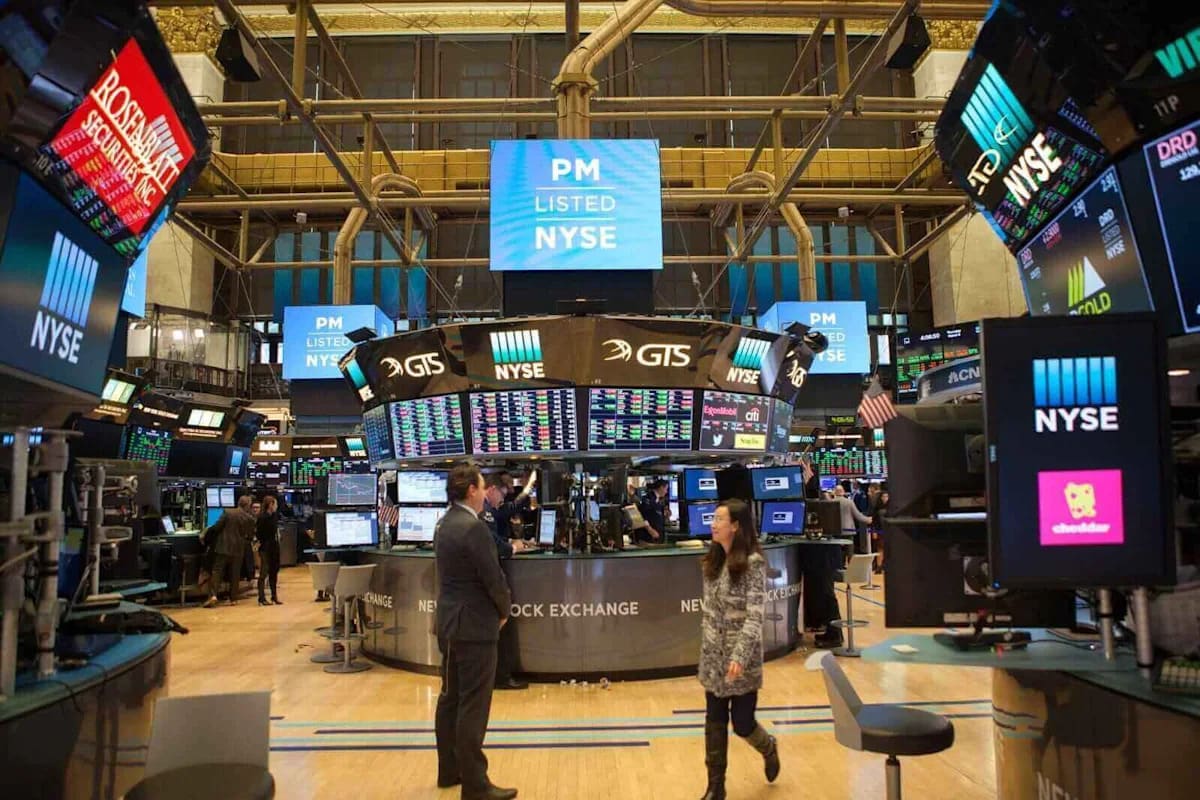
Global markets are facing volatility as the closure of the Strait of Hormuz drives oil prices to one-month highs. Investors remain cautious as President Trump threatens economic isolation for entities supporting Iran, while Fed officials offer mixed signals on monetary policy.
Geopolitical Instability and the Energy Markets
The global financial landscape is currently grappling with a dual-threat scenario: the physical disruption of energy transit routes and the looming specter of aggressive trade policy. The ongoing closure of the Strait of Hormuz, a critical maritime chokepoint, has severely restricted the flow of crude oil from the Middle East. As a result, September WTI crude oil prices (CLU26) have climbed more than 1%, reaching a one-month high. This supply constraint creates immediate upward pressure on energy costs, which acts as a foundational headwind for broader equity markets, as energy prices are a primary driver of headline inflation.
The Impact of Economic Diplomacy
The tension has been further exacerbated by President Trump’s recent rhetoric regarding Iran. By threatening economic isolation against any nation, business, or financial institution that provides a 'lifeline' to the Iranian government, the administration has introduced a significant layer of uncertainty into the global supply chain. While the specific nature of these 'tremendous consequences' remains undefined, the ambiguity itself serves to heighten market anxiety. Investors are currently pricing in the risk that secondary sanctions could disrupt global commerce far beyond the borders of the Middle East.
Inflation Fears and Bond Yields
These geopolitical stressors are occurring in an environment already sensitive to inflation expectations. When energy prices rise, the cost of goods and services generally follows, forcing bond yields higher as investors demand a greater return to compensate for the eroding value of fixed-income assets. As bond yields climb, the discount rates applied to future corporate earnings increase, which inherently puts downward pressure on stock valuations. This cycle of rising yields and cooling equity sentiment is a direct reaction to the fear that inflation may remain entrenched.
The Role of Monetary Policy
Amidst this climate of fear, the Federal Reserve remains the primary counterweight. Recent dovish commentary from San Francisco Fed President Mary Daly suggests that the central bank is closely monitoring the signals from the US Treasury market. By acknowledging that the Treasury market is providing critical signals about the economy, Daly has offered a slight reprieve to investors concerned about aggressive tightening. The market is looking for a delicate balance: the Fed must address inflation without prematurely choking off economic growth in the face of supply-side shocks.
Broader Economic Implications and Future Trends
Looking ahead, the interaction between energy supply constraints and monetary policy will be the defining theme for the next quarter. If the Strait of Hormuz remains closed, the persistent upward pressure on crude prices will likely force the Federal Reserve to maintain a cautious stance, potentially limiting their ability to pivot toward more accommodative policies. Furthermore, the threat of economic isolation for Iran's trading partners suggests a move toward a more fragmented global trade environment. Investors should anticipate continued volatility as the market attempts to reconcile these geopolitical risks with the underlying resilience of the US economy.