‘For whom?’: Congress accuses BJP of delaying Pune Metro Line 3 inauguration
Source Entity
The Indian Express
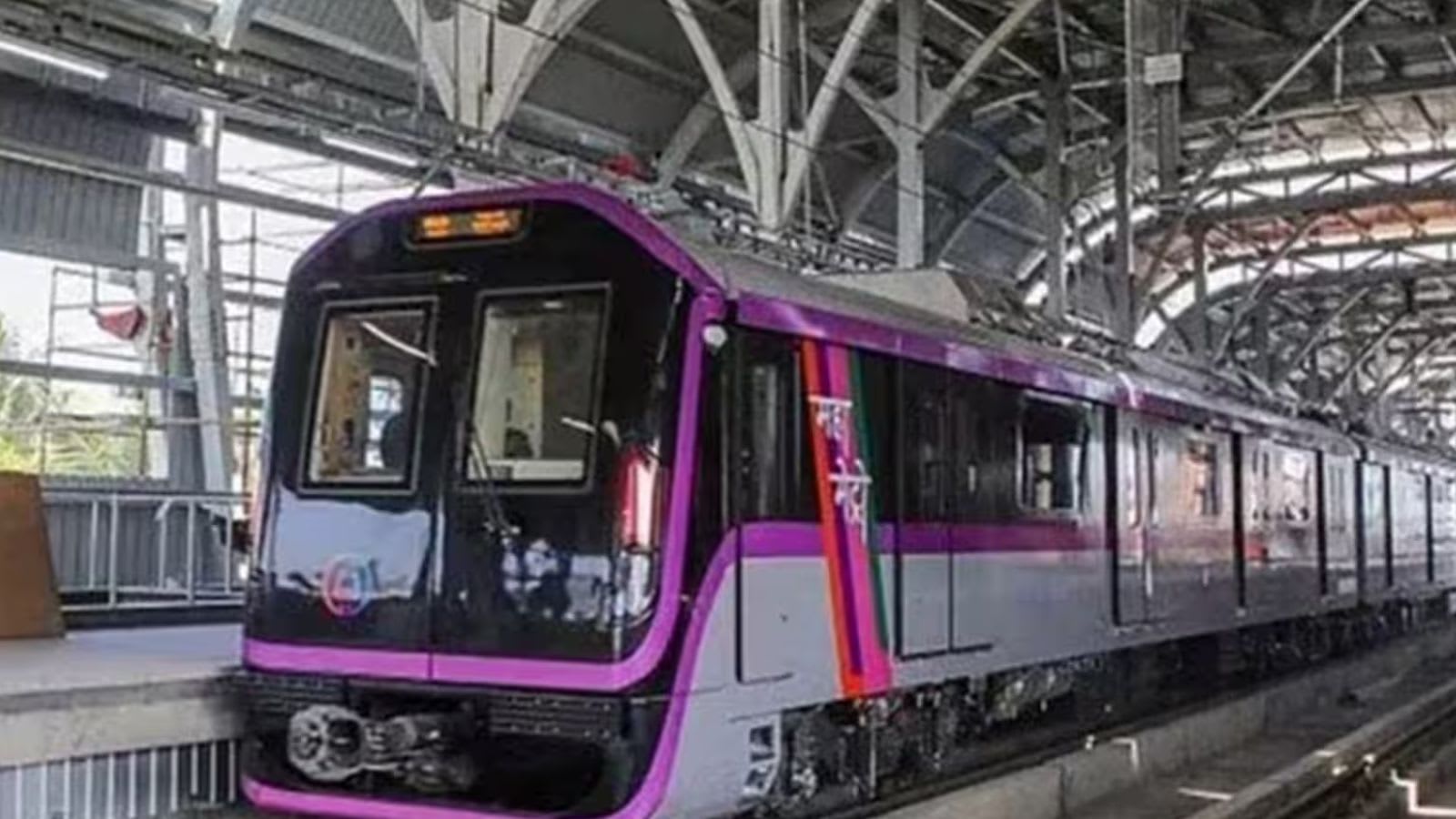
The Congress party has accused the BJP-led government in Maharashtra of intentionally delaying the inauguration of the first phase of Pune Metro Line 3, despite assertions from the Pune Metropolitan Region Development Authority (PMRDA) that the line is ready for operation.
Political Friction Over Pune Metro Infrastructure
The recent accusations leveled by the Congress party against the ruling BJP regarding the inauguration of Pune Metro Line 3 highlight a recurring theme in Indian urban governance: the intersection of infrastructure delivery and political optics. At the core of the dispute is the first phase of Line 3, which the Pune Metropolitan Region Development Authority (PMRDA) has reportedly declared ready for operations. The Congress party's question, ‘For whom?’, suggests that the delay is not a matter of technical incompetence or engineering hurdles, but rather a calculated political move to time the inauguration for maximum electoral advantage.
The Strategic Importance of Line 3
To understand the gravity of this delay, one must look at the specific geography of Pune Metro Line 3. This corridor is designed to connect the Hinjewadi IT park—one of India's largest software hubs—with Shivajinagar. For years, commuters in this region have faced some of the worst traffic congestion in the state, with thousands of IT professionals spending hours in gridlock daily. By delaying a project that is technically complete, the government risks not only public frustration but also a perceived failure in supporting the city's economic engine. The gap between the PMRDA's readiness report and the actual commencement of services creates a vacuum that political opponents are quick to exploit.
The 'Credit War' in Infrastructure
This conflict is a classic example of the 'credit war' that often plagues large-scale public works in Maharashtra. In the lead-up to elections or significant political shifts, ruling parties frequently hold back the inauguration of completed projects to ensure that the 'ribbon-cutting' ceremony coincides with a period of high political visibility. By accusing the BJP of this tactic, Congress is attempting to frame the ruling party as prioritizing political branding over public utility. This narrative shifts the focus from the achievement of completing the project to the perceived cynicism of the administration.
Administrative vs. Political Timelines
There is often a stark disconnect between administrative readiness and political rollout. While the PMRDA may have cleared the technical benchmarks and safety certifications required for operations, the final go-ahead typically rests with the state executive. When a technical body declares a project 'ready' but the project remains closed, it suggests a bottleneck at the ministerial level. This tension underscores a systemic issue where the bureaucracy's efficiency is neutralized by the political calendar, leading to underutilized assets and wasted operational capacity.
Broader Implications for Urban Mobility
Beyond the political bickering, the delay of Line 3 has tangible socio-economic implications. Infrastructure projects of this scale are funded through massive public and private investments; every day a ready-to-use line remains dormant, the return on investment is delayed, and the environmental cost of continued reliance on private vehicles increases. If the inauguration is indeed being delayed for political reasons, it sets a precedent where public convenience is secondary to party image, potentially discouraging future efficiency in urban planning.
Future Trends and Predictions
Looking forward, it is likely that the BJP will counter these accusations by citing final safety audits or pending 'last-mile connectivity' issues to justify the delay. However, as the public pressure mounts—particularly from the influential IT workforce in Hinjewadi—the government will be forced to expedite the launch. We can expect a high-profile inauguration event designed to overshadow the Congress party's criticisms, likely accompanied by a series of announcements regarding further expansions of the metro network to regain the narrative of 'pro-development' governance.
Summary
In conclusion, the dispute over Pune Metro Line 3 is less about engineering and more about the strategic timing of political victories. While the PMRDA confirms technical readiness, the political deadlock between Congress and the BJP illustrates how critical infrastructure can become a tool for political leverage. For the citizens of Pune, the resolution of this political tug-of-war is essential to alleviating urban congestion and improving the quality of life for thousands of daily commuters.