GST rate cuts have been offset by ‘galloping’ inflation: Congress
Source Entity
India Latest News: Top National Headlines Today & Breaking News | The Hindu
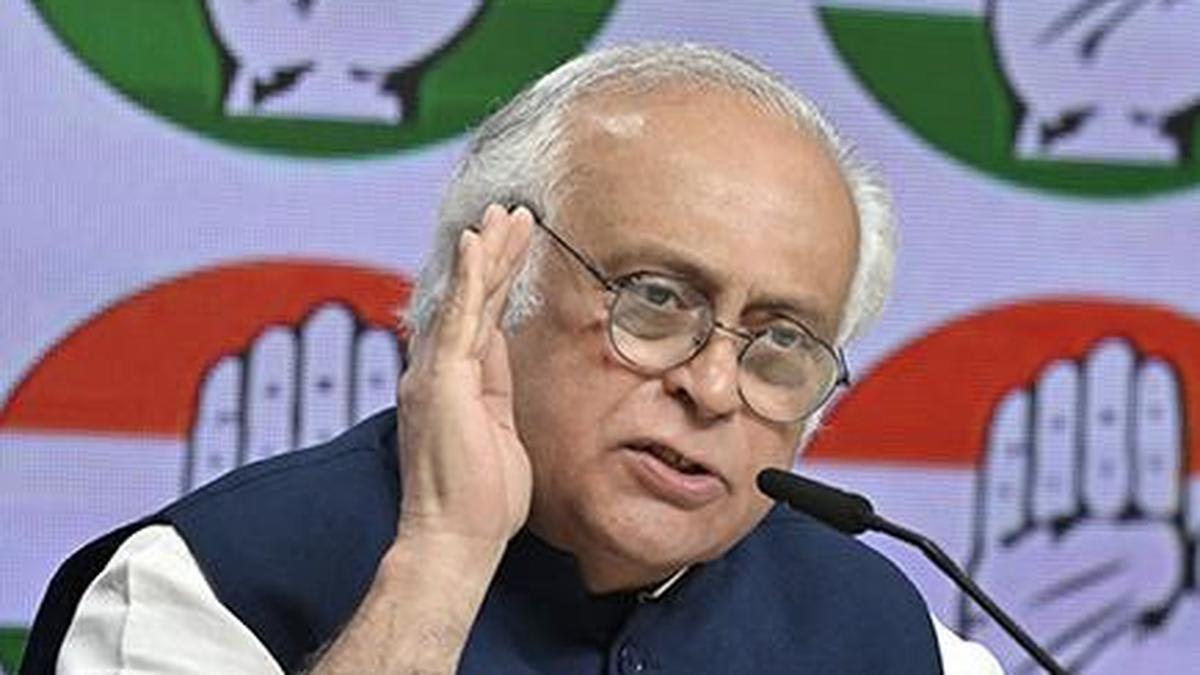
The Congress party claims that recent GST rate cuts have failed to stimulate consumption due to persistent inflation. Jairam Ramesh noted that while some sectors like automobiles saw gains, others like apparel did not benefit.
The Efficacy of GST Reforms Amidst Inflationary Pressures
On September 21, 2026, the Indian National Congress launched a critique regarding the government’s fiscal strategy, specifically targeting the outcomes of the Goods and Services Tax (GST) rationalization implemented in September 2025. The core of the party's argument, articulated by General Secretary Jairam Ramesh, is that the intended benefits of these tax cuts have been effectively neutralized by "galloping inflation," which has driven the prices of essential consumer goods back to their pre-cut levels.
The Illusion of Tax Relief
While the government initially marketed the September 2025 GST rationalization as a "game changer" for the economy, the Congress asserts that this rhetoric was hyperbolic. The fundamental premise of the tax cuts was to leave more disposable income in the hands of consumers, thereby stimulating demand. However, the data suggests that the expected surge in consumption has not materialized across the board, as the inflationary environment has eroded the purchasing power of the average consumer before the tax savings could be realized.
Sectoral Disparities in Consumption
An examination of the economic impact reveals a highly uneven recovery. According to the Congress, the benefits of the tax adjustments have been siloed. While the automobile sector witnessed a noticeable uptick in sales, this trend was not mirrored in other critical consumer segments, such as the apparel industry. This discrepancy highlights the complexity of the current market, where tax policy alone serves as an insufficient lever to drive broad-based economic growth in the face of rising input costs and supply-side constraints.
Long-Term Implications for Fiscal Policy
The delay in implementing these rationalizations is a central point of contention. The Congress argues that while the changes were "long overdue," the timing and execution failed to account for the macroeconomic reality of persistent inflation. This critique raises significant questions about the efficacy of supply-side fiscal interventions during periods of economic volatility. If tax cuts do not translate into lower prices or higher volumes, the government may face increasing pressure to adopt more direct measures to curb inflation or provide targeted relief.
Future Trends and Political Context
Looking ahead, the discourse surrounding GST will likely remain a focal point of political debate. As the government seeks to balance fiscal prudence with the need for economic stimulus, the gap between policy intent and consumer reality remains a significant challenge. The Congress's focus on the "mixed" impact of these policies suggests that the opposition will continue to leverage economic performance data to challenge the current administration's narrative of fiscal success, potentially shaping the discourse leading into future economic policy cycles.
Verification Required?