Keralam Minister KM Shaji Defends Using Friend's Range Rover As Official Vehicle
Source Entity
NDTV News Search Records Found 1000
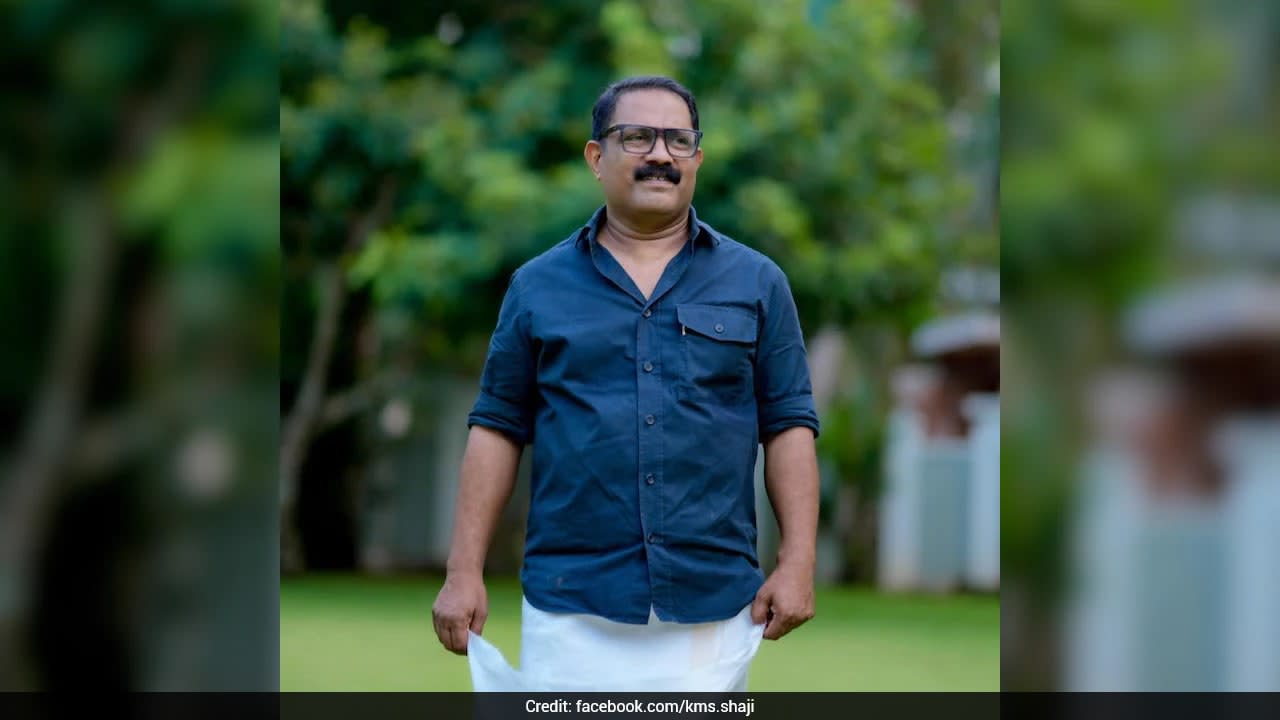
Kerala Minister K.M. Shaji is facing significant political backlash for using a luxury SUV owned by a private businessman as his official government vehicle. The controversy centers on allegations of conflict of interest and the improper use of state insignia on a private asset.
The Luxury Vehicle Controversy: An Overview
The political landscape in Kerala has been recently roiled by a controversy involving Local Bodies Minister K.M. Shaji, a prominent leader of the Indian Union Muslim League (IUML). The core of the dispute lies in Mr. Shaji’s decision to utilize a high-end luxury sports utility vehicle, allegedly borrowed from a Saudi Arabia-based businessman, Yakoob Thillenkeri, as his official transportation. This incident has sparked a fierce debate regarding ethics, administrative propriety, and the boundaries between personal connections and public office.
Allegations of Conflict and Improper Conduct
The situation escalated when images surfaced on social media showing Mr. Shaji posing with the vehicle, which was prominently displaying the national flag. Critics, particularly from the Communist Party of India (Marxist) [CPI(M)], have raised serious concerns regarding the potential for corruption and unethical quid pro quo arrangements. By affixing the official 'Keralam State 13' registration plate—reserved exclusively for cabinet ministers—to a privately owned vehicle, opponents argue that the minister has blurred the lines between the state's authority and private interests, potentially violating his constitutional oath of office.
The Intersection of Private and Public Assets
At the heart of the criticism is the origin of the vehicle itself. Because the car belongs to a businessman operating in Riyadh, the optics of the situation have led to accusations of a conflict of interest. In the sphere of public administration, the use of private assets for official state business is strictly scrutinized to prevent the appearance of influence-peddling or political favoritism. Critics maintain that by accepting the use of such a high-value asset, the minister has compromised the neutrality and integrity expected of his cabinet position.
The Defense and Administrative Justification
In response to the growing public outcry, Mr. Shaji has defended his actions, asserting that he operated with the necessary permissions. While the minister frames the usage as a logistical choice supported by authorization, his detractors remain unconvinced. The defense highlights a recurring tension in state politics: the reliance on personal networks versus the rigid requirements of government transparency and the standard protocols governing the use of state-sanctioned equipment.
Broader Political Implications and Future Trends
This incident serves as a bellwether for the intense political climate in Kerala, where scrutiny of ministers' conduct is at an all-time high. The controversy reflects a broader trend of increased public and opposition oversight regarding the personal conduct of public officials. As digital media continues to amplify such incidents through viral imagery, the political cost of perceived ethical lapses—regardless of legal technicalities—is likely to increase. Moving forward, this case will likely prompt a re-evaluation of the rules governing the use of private vehicles for official state purposes to ensure such conflicts are avoided in the future.
Verification Required?