Empty plots, no water: CJP demands action on ‘neglected’ Rajasthan tribal schools
Source Entity
Parul Kulshrestha
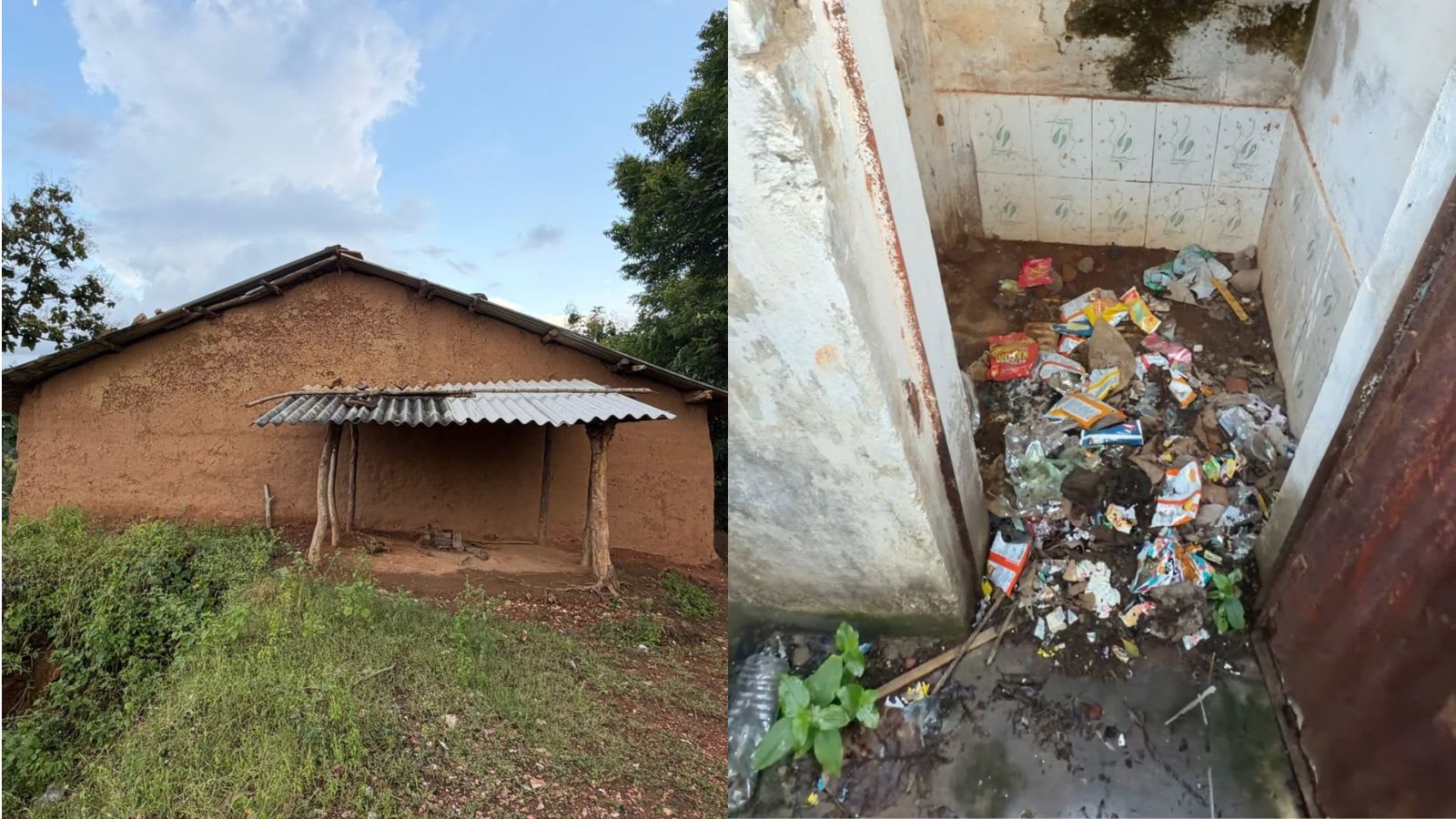
The Cockroach Janta Party (CJP) has launched an 'Adivasi School Thik Karo' campaign, inspecting schools in Rajasthan's Kherwara constituency. They allege systemic neglect, citing missing infrastructure and water, while claiming the government is hastily fixing sites in response to their visits.
CJP Launches 'Adivasi School Thik Karo' Campaign in Rajasthan
The Cockroach Janta Party (CJP), led by co-convener Ashutosh Ranka, has initiated a rigorous inspection drive across Rajasthan’s Kherwara Assembly constituency. This campaign, titled ‘Adivasi School Thik Karo,’ aims to highlight the systemic failures in the state’s tribal education sector. By physically visiting remote villages like Demat, Pongli, and Babari, the CJP team is seeking to document the ground reality of government-run institutions that serve marginalized tribal populations.
Infrastructure Deficits and Governance Concerns
During their site visits, the CJP team uncovered a distressing lack of basic facilities. Perhaps most concerning is the revelation that while land has been formally earmarked for school construction in several regions, the physical structures remain non-existent. In areas where schools are operational, the team reported an absence of essential amenities such as clean drinking water and adequate infrastructure, painting a picture of institutional neglect that potentially violates the basic educational rights of tribal students.
Allegations of Administrative 'Window Dressing'
In a sharp critique of the local administration, the CJP has accused the government of reactionary behavior. Party members, including Sourav Das, have mocked the state government by suggesting that officials are rushing to perform last-minute repairs or 'fixing' schools only when they receive intelligence regarding an impending CJP visit. This behavior, if true, suggests a performative approach to governance rather than a commitment to long-term structural improvement.
Tensions Between Activists and Law Enforcement
The inspection campaign has not been without friction. Ashutosh Ranka has previously alleged that the Rajasthan Police has monitored the comings and goings at his residence, which the party views as an intimidation tactic following their confrontational engagement with the education department. This climate of tension highlights the fraught relationship between grassroots political activists and state authorities when sensitive socio-economic issues, such as the under-utilization of tribal development funds, are brought to light.
Broader Implications for Tribal Education
The CJP’s focus on the under-utilization of tribal development funds is a significant point of inquiry. Tribal areas often suffer from a disconnect between policy formulation and implementation. When funds designated for education are diverted or left unspent, the long-term socio-economic mobility of Adivasi communities is directly hampered. The CJP’s campaign acts as a watchdog, forcing a spotlight on how public resources are managed at the tehsil level.
Future Outlook and Accountability
As the CJP continues its campaign in Nayagaon and surrounding areas, the pressure on the Rajasthan government to provide a transparent account of school expenditures will likely mount. The effectiveness of this movement will depend on whether the CJP can transform these findings into a broader political discourse that mandates accountability. Moving forward, the focus will remain on whether the government addresses these infrastructure gaps permanently or continues to rely on temporary fixes to mitigate political embarrassment.